


SINGAPORE/ISLAMABAD: A Pakistan-flagged oil tanker has become the first vessel to exit the Strait of Hormuz carrying crude since the United States imposed a blockade earlier this week, according to shipping data.
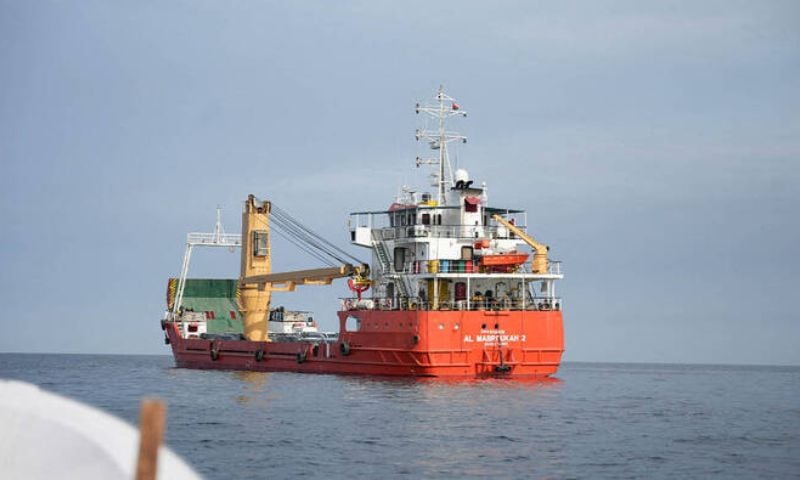
The Aframax-class tanker Shalamar departed the strategic waterway on Thursday after loading approximately 440,000 barrels of Das Blend crude from Abu Dhabi earlier this week, data from Kpler and LSEG indicated.
The vessel is now en route to Karachi, where it is expected to discharge its cargo on April 19. According to Reuters, the Shalamar was among two Pakistan-flagged tankers that entered the Strait of Hormuz on Sunday to load crude oil and refined petroleum products.
Marine traffic data shows that the Pakistani-flagged crude oil tanker Shalamar cleared the Strait of Hormuz carrying crude oil loaded from the United Arab Emirates. The vessel also passed the U.S. Navy blockade accompanied by the Pakistan Navy in international waters. https://t.co/DnmOxiglOs pic.twitter.com/6284yVccCB
— The STRATCOM Bureau (@OSPSF) April 17, 2026
Pakistan’s petroleum minister confirmed on Wednesday that the vessel had lifted cargo from an ADNOC terminal in the UAE. Pakistan National Shipping, which operates the tanker, has not yet responded to requests for comment, Reuters reported on Friday.
Shipping activity in and around the strait has reportedly slowed in recent days amid heightened US maritime enforcement measures in the region.
According to a US Navy advisory issued on Thursday, the scope of restrictions has been widened to include cargoes deemed contraband, with vessels suspected of attempting to reach Iranian territory now subject to inspection under “belligerent right to visit and search.”
US Central Command also stated on the social media platform X that 14 vessels had altered course and turned back following the introduction of the enforcement measures over 72 hours.
The Strait of Hormuz, a critical global energy transit chokepoint, has seen increased caution among shipping operators as geopolitical tensions and security measures continue to affect traffic flows.