


ANTALYA: The fifth edition of the Antalya Diplomacy Forum opened in Türkiye on Friday, bringing together foreign ministers from key regional countries, including Pakistan, Saudi Arabia, and Egypt, as efforts intensify to end the ongoing Middle East conflict.
Held under the auspices of President Recep Tayyip Erdoğan and hosted by the Turkish Foreign Ministry, the three-day forum is taking place in the Mediterranean city of Antalya under the theme “Mapping Tomorrow, Managing Uncertainties”.
More than 150 countries are represented, including over 20 heads of state and government and around 15 deputy leaders. The gathering also includes more than 50 ministers — over 40 of them foreign ministers — alongside representatives from 75 international organisations.
Good morning from Antalya!#ADF2026 kicks off today.
Discover the full agenda for Day 1️⃣ and stay updated on all sessions shaping global dialogue via our official website: https://t.co/YI2y6hC1fu#MEET4DIPLOMACY pic.twitter.com/ye2l0VUQG0
— Antalya Diplomacy Forum (@AntalyaDF) April 17, 2026
In total, more than 460 high-level participants and nearly 5,000 attendees, including academics and students, are expected to take part.
Participants from Africa and Europe account for nearly half of the attending heads of state, while foreign ministers are primarily from Africa, Europe and Asia, reflecting the forum’s broad geographic reach.
The programme features more than 40 panels and events, including leadership-level discussions on political, economic, environmental and technological challenges, with a focus on an evolving global landscape.
Regional Diplomacy in Focus
Foreign ministers from Türkiye, Pakistan, Saudi Arabia, and Egypt are expected to meet on the sidelines of the forum, with the ongoing conflict and the blockade of the strategic Strait of Hormuz high on the agenda.
Türkiye has emphasised the importance of maintaining open navigation through the waterway, describing it as an international passage that must remain accessible.
Pakistan’s Mediation Efforts
Pakistan has positioned itself as a key intermediary in the crisis, having hosted rare talks between Iran and the United States in Islamabad last weekend.
Although those discussions ended without a breakthrough, they helped sustain diplomatic engagement between the two sides.
Pakistan’s Chief of Army Staff, Field Marshal Syed Asim Munir, held high-level meetings in Tehran on Thursday as part of ongoing efforts to reduce tensions and facilitate a second round of negotiations.
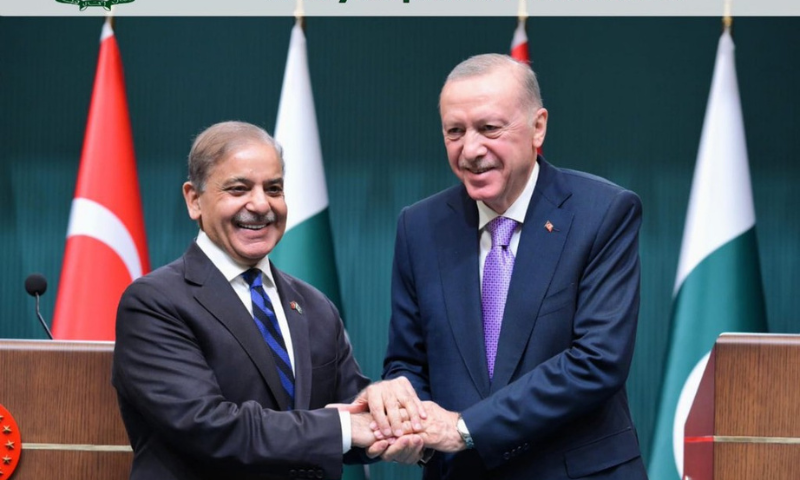
Prime Minister Shehbaz Sharif, currently on a regional tour, is attending the forum and holding talks with President Erdoğan on the sidelines.
Push for Ceasefire and Dialogue
Ankara, while critical of Israel’s actions, has joined diplomatic efforts alongside Pakistan and Egypt to support a ceasefire and promote dialogue.
Turkish officials have stressed the need to extend the current truce and convert it into a lasting agreement, warning that the conflict’s impact is increasingly being felt beyond the region.
“Negotiations cannot take place with clenched fists. The window of opportunity opened by the ceasefire must be fully utilised,” Erdoğan said earlier this week.
Prospects for Renewed Talks
The United States has indicated that further negotiations with Iran are likely to take place, with Islamabad emerging as a potential venue for the next round.
Pakistan’s ongoing diplomatic outreach, including high-level engagements across the region, is aimed at sustaining the ceasefire, narrowing differences, and creating conditions for a comprehensive agreement.