
News Desk
- Seized products appeared prepared for foreign markets
- Fraud threatens consumer safety and brand credibility
ISLAMABAD: Canada is investigating a potential food-safety threat from India’s export of food and beverages, raising concerns over the safety of Canadian consumers and the integrity of major international brands.
Indian authorities have busted a massive illegal operation preparing expired or near-expiry food products bearing fake expiry dates and nutritional information for export.
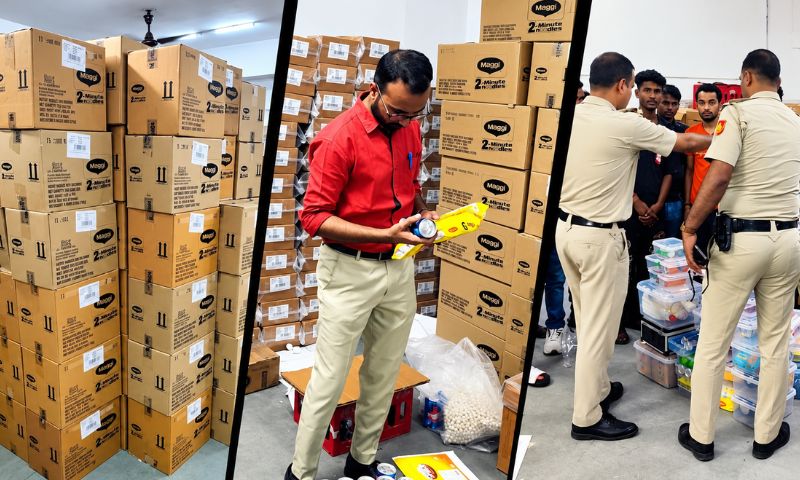
The Canadian Food Inspection Agency (CFIA) has begun assessing whether products linked to the operation could have entered the Canadian supply chain after Indian authorities seized nearly $80,000 worth of food products, chemicals and printing equipment from a warehouse in Mumbai.
The case is particularly significant because the seized goods included products manufactured by global companies such as PepsiCo, Nestle, Coca-Cola and Unilever, whose branded packaging and safety standards are relied upon by consumers worldwide.
There is no indication that the companies were involved in the alleged fraud.
The investigation is focusing on the warehouse operator and exporters accused of altering the products and their labels.
However, the episode raises questions over how counterfeit or illegally relabelled products carrying the identities of globally recognised brands could be placed in international markets from India.
The CFIA said it was monitoring the situation to determine whether it posed any risk to imports into Canada.
The agency said that it had no information at present indicating that products associated with the operation had entered Canada.
However, stressed that it takes food fraud involving false date markings, inaccurate nutritional information and misleading origin claims seriously.
Potential threat to Canadian consumers
The most serious concern for Canadian authorities is not merely the falsification of packaging, but the possibility that food past its legitimate shelf life could be presented to consumers as safe and suitable for consumption.
Indian officials said products found at the warehouse were expired or nearing expiry. Investigators found chemicals allegedly used to erase original manufacturing and expiry dates, with machines used to print replacement information on food packaging.
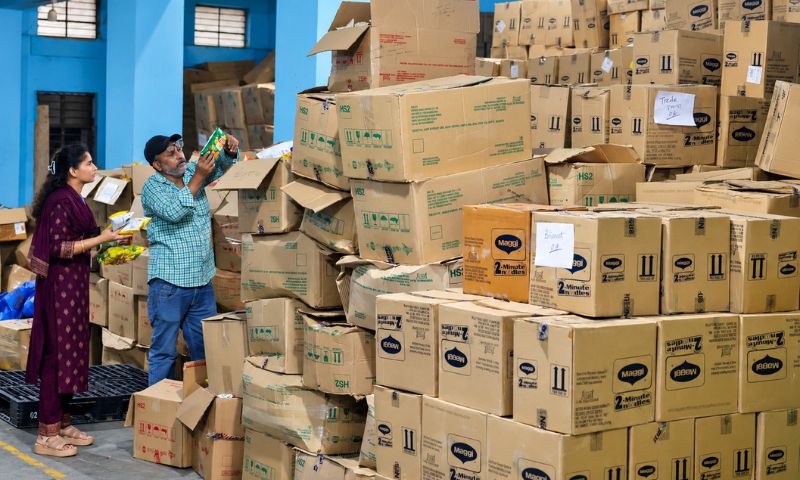
Nearly 5,000 cartons were found at the facility, including PepsiCo’s Lay’s and Kurkure snacks, Nestle’s Maggi noodles, Unilever’s Knorr Mushroom Soup and Hellmann’s Mayonnaise, and Coca-Cola’s Thums Up and Limca drinks.
Altering an expiry date can deprive consumers and regulators of critical information needed to determine whether a food product remains fit for consumption.
Changing nutritional information creates an additional risk by potentially misleading consumers about calories, ingredients and serving sizes.
The incident therefore goes beyond a conventional counterfeiting case. If such products reach overseas markets, consumers may believe they are purchasing legitimate products manufactured and packaged under the controls of established multinational companies.
Canadian market raises red flags
A particularly significant discovery was a packet of PepsiCo’s Kurkure carrying a nutrition label in English and French, resembling the bilingual format required for food labelling in Canada.
Authorities have not established that the product was destined for Canada. However, the presence of such packaging has heightened scrutiny, because it suggests that at least some products were being prepared with foreign-market requirements in mind.
Indian authorities said the warehouse operators were working on behalf of 19 exporters, although investigators have yet to establish the ultimate destinations of all the relabelled goods.
That uncertainty is central to the Canadian investigation. Even without evidence that the products entered Canada, regulators must determine whether the operation was connected to export channels capable of placing fraudulent products in international markets.
The CFIA said that where non-compliant food products are identified, Canadian authorities can take measures including removing products from the market, suspending licences and imposing monetary penalties.
Brand credibility at risk
The operation also poses a serious reputational risk to the international brands whose products were allegedly being relabelled.
PepsiCo, Nestle, Coca-Cola and Unilever have not been accused of participating in the scheme. Reuters reported that PepsiCo said it had no commercial engagement with the exporters identified in connection with the operation and had not authorised the exports.
Nevertheless, the alleged misuse of established brands demonstrates how vulnerable multinational food companies can be to illicit activity further down their supply chains.
Consumers generally associate a recognised brand with controlled manufacturing processes, accurate labelling, traceability and compliance with food safety regulations. If expired or improperly labelled products are sold under that brand identity, the resulting damage can extend far beyond the individual shipment.
For regulators and food companies, the case highlights the importance of traceability from manufacturing and packaging through distribution and export. It also demonstrates the difficulty of protecting international markets when products can be repackaged or relabelled by unauthorised intermediaries.
The Mumbai raid was conducted by Maharashtra’s Food and Drug Administration following a six-day investigation. Authorities seized the products and equipment and are investigating the exporters linked to the warehouse.
The case is now being watched beyond India because the alleged operation was not simply selling falsely labelled products domestically.
The discovery of export-oriented labels has raised the possibility that consumers in other countries have been exposed to products whose expiry dates and nutritional information had been deliberately manipulated.
For Canada, the priority is therefore establishing whether any such products entered its market. For the global food industry, the wider issue is whether international supply chains have sufficient safeguards to prevent fraudulent operators from using trusted brands to disguise potentially unsafe food.