Key Points
- Business leaders consulted ahead of June 10 budget
- Government reiterates export-led growth strategy
- Industry seeks lower energy costs and tax reforms
ISLAMABAD: Pakistan’s business and industry leaders have assured Prime Minister Shehbaz Sharif of full backing for the country’s economic reforms as the government sought to build consensus with leading business executives ahead of next week’s federal budget.
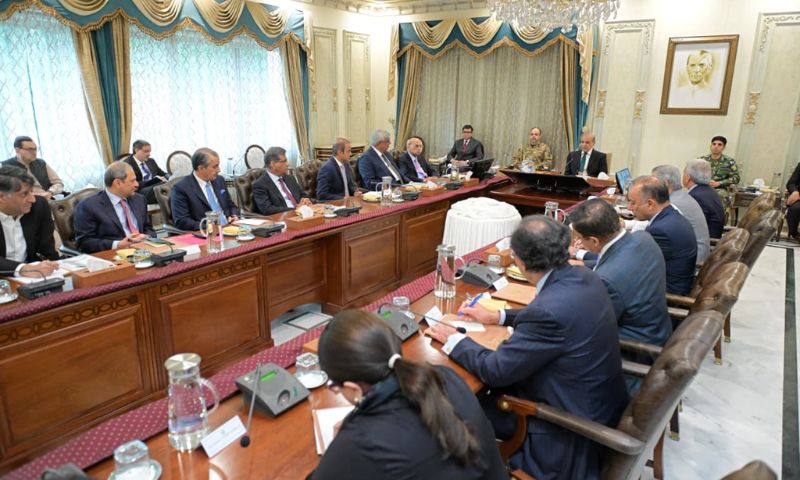
In a meeting on Wednesday, Prime Minister Shehbaz Sharif told industry leaders that export-led growth, tax reforms and private-sector investment would remain central to economic policy.
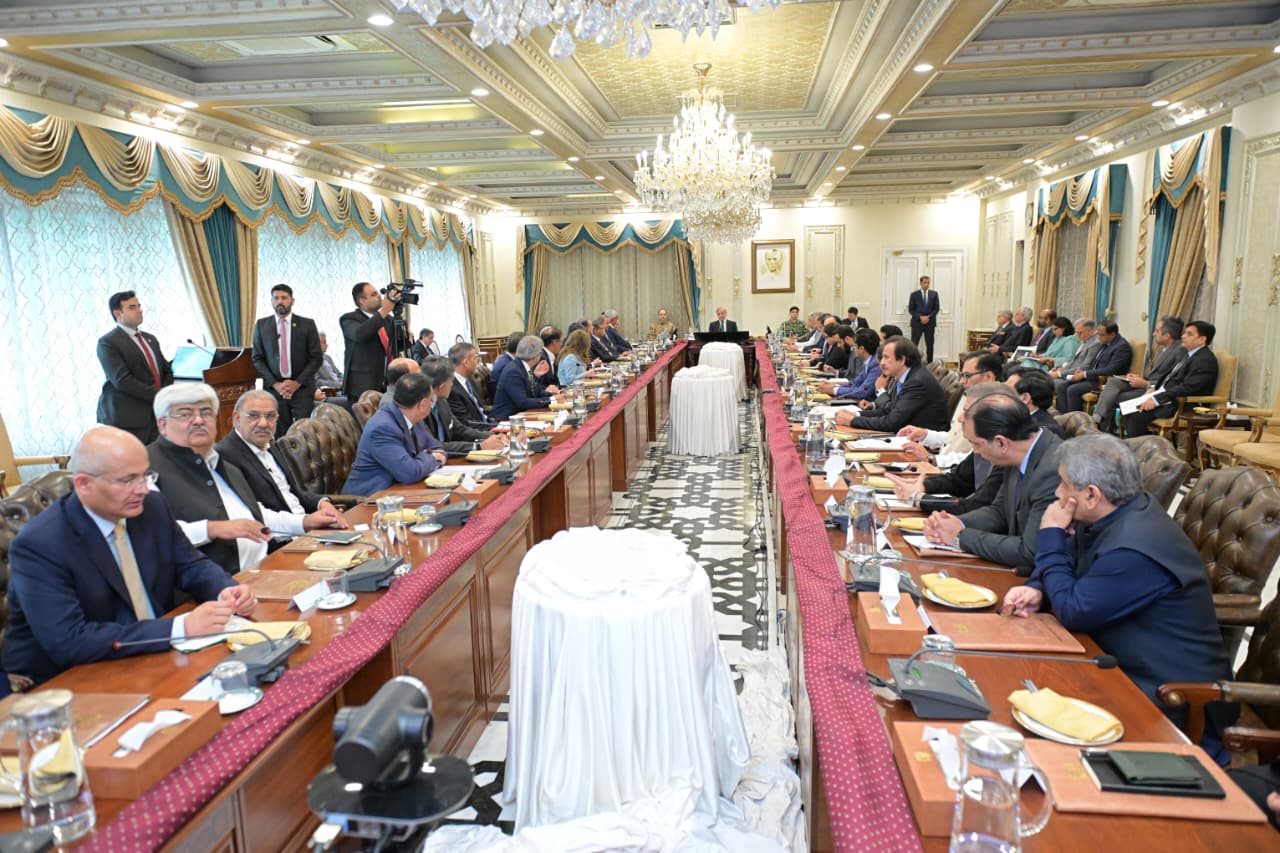
A prominent delegation of industrialists and corporate leaders called on Prime Minister Sharif, who said close cooperation between the government and the private sector was essential to sustaining economic recovery, boosting exports and attracting investment.
The consultations come days before the presentation of the 2026-27 federal budget, which has been delayed until June 10 as authorities continue discussions with the International Monetary Fund on key fiscal measures and spending priorities.
Sharif told business leaders that Pakistan’s economic policy was focused on export-driven growth and expanding the formal economy through greater documentation and tax compliance.
He said the government was also working on measures to provide relief to citizens in the upcoming budget despite fiscal pressures, according to a PM Office statement.
“You are Pakistan’s ambassadors and our identity to the world,” the prime minister told the delegation, according to the statement, thanking the business community for supporting the government during a period of economic difficulty.
The delegation included some of Pakistan’s most influential business figures, representing sectors ranging from banking, manufacturing and telecommunications to technology, exports and financial services.
Government officials briefed participants on measures aimed to improve the business environment, including reforms to tax tribunals. The government also plans specialised commercial courts, upgrades to transport and logistics infrastructure and efforts to accelerate digitalisation of the economy, the delegation was told.
Officials highlighted ongoing work on the key motorway links’ upgrade, freight corridors connecting Karachi’s ports with inland markets, and modernisation plans for Pakistan Railways’ main freight and passenger routes.
They also outlined plans for a National Artificial Intelligence Transformation Programme intended to strengthen the country’s digital economy.
The government said reforms in tax administration and greater use of technology in sectors such as sugar and cement manufacturing had already helped improve revenue collection and transparency.
Business leaders welcomed efforts to promote digital payments, strengthen economic documentation and simplify tax procedures.
Participants also praised recent reforms aimed at improving the ease of doing business and reducing regulatory bottlenecks.
Industry representatives expressed appreciation for measures taken to lower electricity costs for industrial users, eliminate the Export Development Levy and improve the timely payment of tax refunds, according to the official statement.
The delegation also welcomed the government’s decision to consult the private sector during the budget preparation process and presented recommendations on economic policy, industrial growth and investment promotion.
Participants expressed confidence in Pakistan’s economic management and pledged continued cooperation with the government to support growth, exports and job creation.
The meeting was attended by senior cabinet members, the governor of the State Bank of Pakistan and other top government officials, underscoring the importance Islamabad attaches to private-sector engagement as it prepares a budget aimed at balancing economic growth with fiscal discipline.
The consultations come as Pakistan seeks to consolidate economic stability following a period of financial stress, with policymakers facing the challenge of sustaining growth, expanding exports and attracting investment under the constraints of an ongoing IMF-supported reform programme.