KEY POINTS
- Bangladesh demands India extradite ousted PM Sheikh Hasina after her death sentence for crimes against humanity.
- Hasina fled to India following her ouster during a mass uprising in August 2024.
- A Dhaka court sentenced Hasina and former interior minister Asaduzzaman Khan Kamal to death.
- Bangladesh’s foreign ministry called extradition “an obligatory responsibility”.
- Prosecutors allege Hasina directly ordered lethal force against student protesters in July–August 2024.
DHAKA, Bangladesh: Bangladesh on Monday demanded India extradite ousted former prime minister Sheikh Hasina, hours after she was sentenced to death for crimes against humanity over a deadly crackdown on last year’s student-led uprising.
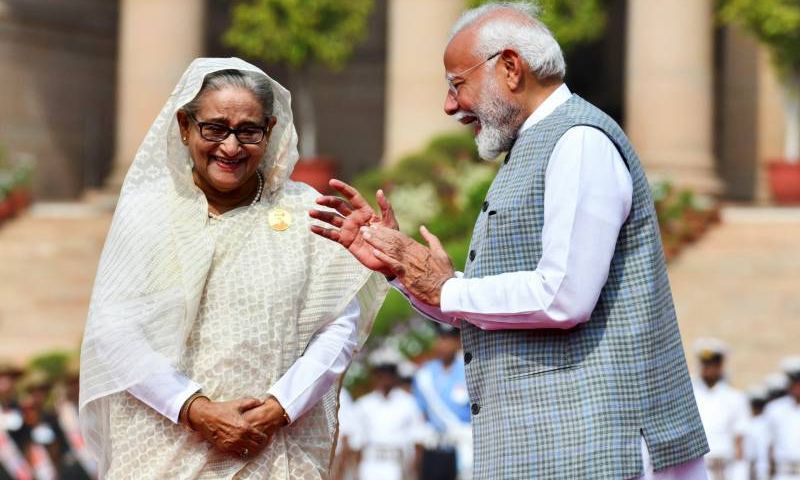
Hasina’s autocratic rule was backed by New Delhi, and the 78-year-old fled to India after her ouster in a mass uprising in August 2024, fraying relations between the two neighbours. She has been in hiding ever since her ouster.
On Monday, a court in Dhaka sentenced Hasina as well as former interior minister Asaduzzaman Khan Kamal to death in absentia, after being found guilty of crimes against humanity over a deadly crackdown against last year’s student-led uprising.
The former minister’s whereabouts are not known, but Bangladesh says he is also hiding in India.
“We urge the government of India to immediately extradite the two convicts to the Bangladeshi authorities,” Dhaka’s foreign ministry said in a statement, saying it was “an obligatory responsibility for India”.
Bangladesh warned that “granting asylum to these convicts… would be extremely unfriendly and an affront to justice.” India’s foreign ministry said that it had “noted the verdict” of Hasina.
“India remains committed to the best interests of the people of Bangladesh, including in peace, democracy, inclusion and stability,” the ministry said in a statement that does not directly address the issue of potential extradition.
Extrajudicial killings of political opponents
Hasina’s 15-year tenure saw widespread human rights abuses, including the mass detention and extrajudicial killings of her political opponents.
Bangladesh last year said it would request an Interpol red notice for Hasina, but there was no record on the global police body alert law enforcement list.
Bangladesh’s interim leader Muhammad Yunus welcomed the court verdict as historic.
“The awarding of death sentences to Sheikh Hasina and Asaduzzaman Khan Kamal in the crimes against humanity case is a historic verdict,” the Nobel Peace Prize winner said in a statement.
He called for calm and warned against any “attempt to violate public order”, urging “everyone to refrain from any indisciplined acts”.
Use of lethal force against protesters
During the trial, prosecutors told the court that they had uncovered evidence of her direct command to use lethal force to suppress a student-led uprising in July and August 2024.
According to a United Nations report, up to 1,400 people may have been killed during the protests between July 15 and August 5, 2024, with thousands more injured — most of them by gunfire from security forces.
Hasina was represented by a state-appointed defence counsel who told the court that the charges against her were baseless and pleaded for her acquittal.
Ahead of the verdict, Hasina dismissed the accusations and the fairness of the Tribunal proceedings, asserting a guilty verdict was “a foregone conclusion.”
Hasina, 78, who has remained in India since she was overthrown in August 2024, challenged the legitimacy of the Tribunal in an email interview with Reuters last month.
“These proceedings are a politically motivated charade,” she said. “They have been brought by kangaroo courts, with guilty verdicts a foregone conclusion. They are presided over by an unelected government which consists of my political opponents.”
The Muslim-majority South Asian country of 170 million people has been governed by an interim administration headed by Nobel Peace laureate Muhammad Yunus since Hasina fled. The country has been largely peaceful since.
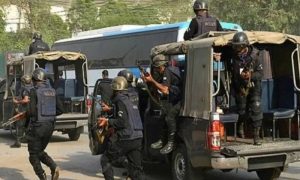
On Monday, security remained tight across Dhaka and other major cities, with paramilitary forces deployed around key government buildings and the tribunal complex.
Authorities said they were prepared for any trouble after the verdict.
Election in February 2026
The court ruling comes months ahead of parliamentary elections expected to be held in early February. Hasina’s Awami League party has been barred from contesting.
Hasina has lived in exile in India since her removal and has not appeared publicly or online.
She has rejected all charges, calling the tribunal politically motivated. In an email to the BBC, she said she had “never ordered fire on unarmed civilians” and accused her opponents of controlling the court to secure a predetermined outcome.
Prosecutors, however, maintain that the crackdown constituted a “coordinated, widespread and systematic attack”, alleging that security forces — and armed Awami League members — used lethal force, including from helicopters and drones, to crush the uprising.
The interim government repurposed the tribunal after Hasina’s ouster, raising fresh questions about judicial independence.