Key Points
- The commercial breeder was seized in Bathurst, New South Wales
- Insects valued at about AU$200,000
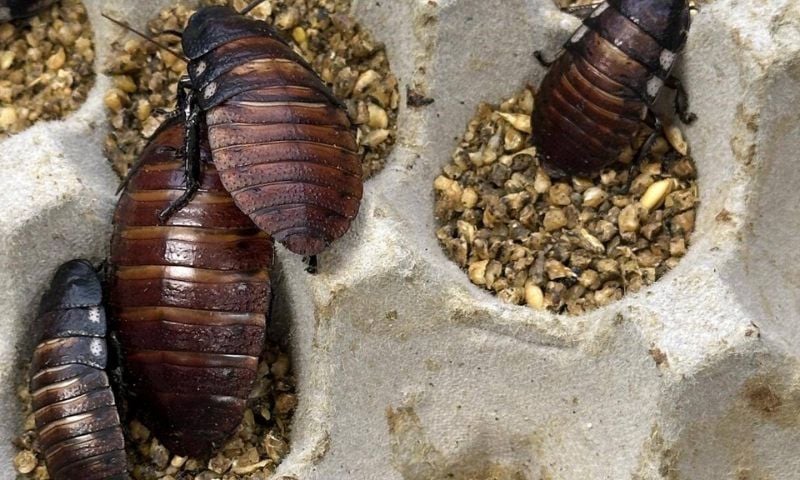
- Species included dubia cockroaches and Madagascar hissing cockroaches
- Case described as one of the largest insect-related enforcement actions in the country
ISLAMABAD: Australian authorities have seized more than 100,000 live cockroaches from a commercial breeding operation in New South Wales in one of the largest biosecurity-related insect confiscations in the country’s history.
According to a statement by the Department of Climate Change, Energy, the Environment and Water (Australia), the operation took place in Bathurst.
The inspectors recovered insects valued at roughly AU$200,000, according to Australia’s Department of Climate Change, Energy, the Environment and Water.
Officials said the seized insects included dubia cockroaches and Madagascar hissing cockroaches, both commonly used in the global reptile pet trade as feeder insects but banned in Australia due to strict biosecurity controls.
Authorities said the species are not approved for import or possession because they have not undergone environmental risk assessment and could pose ecological threats if they escaped captivity and established in the wild.
The New South Wales Department of Primary Industries and Regional Development is managing the destruction of the insects in accordance with national biosecurity protocols.
Australia enforces some of the world’s strictest biosecurity regulations, designed to prevent the introduction of invasive species that could threaten its unique biodiversity, agricultural output, and public health systems.
Across the world, live insect breeding and trade have grown rapidly in recent years, driven by demand from the exotic pet industry, scientific research, and sustainable animal feed markets and dark web footage.
Many countries permit commercial breeding of non-native insect species under regulated conditions.
However, Australia maintains a far more restrictive approach due to its isolated ecosystem and history of severe damage caused by introduced species such as rabbits, cane toads, and various agricultural pests.
Biosecurity experts warn that even small-scale releases of non-native insects can establish rapidly under favourable conditions, making prevention a central policy tool in countries with vulnerable ecosystems.