NEW YORK, USA: The Taliban regime in Afghanistan is facing renewed international condemnation over its systematic human rights violations, particularly restrictions on women and girls, arbitrary detentions, torture and suppression of fundamental freedoms, with a United Nations expert warning against normalising its repressive policies.
Presenting his latest report to the UN General Assembly, Richard Bennett, Special Rapporteur on the situation of human rights in Afghanistan, said the Taliban had shown no willingness to reverse its systematic violations of fundamental rights five years after seizing power.
The international community must not allow Taliban regime of repression and discrimination in #Afghanistan: expert @SR_Afghanistan. “Engagement with de facto authorities must not confer legitimacy without measurable improvements in #humanrights.”
https://t.co/ur8DLp1uNO https://t.co/30ZLA8zXVa
— UN Special Procedures (@UN_SPExperts) October 29, 2026
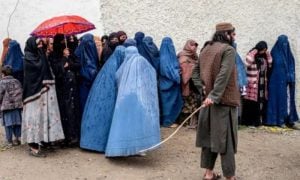
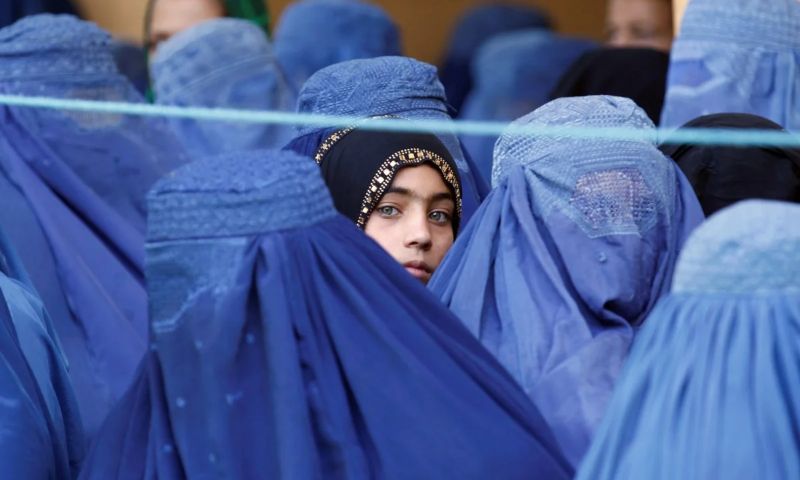
Instead, he warned, the regime had continued to deepen and formalise restrictions, leaving millions of Afghans, particularly women and girls, facing discrimination, exclusion and abuse.
“The international community must stand with the Afghan people, protect their rights and support their future,” Bennett said, stressing that engagement with Taliban authorities should not grant them international legitimacy without measurable and independently verified improvements in human rights.
Taliban policies deepen restrictions on women and girls
Bennett’s report highlighted recent Taliban decrees that have further undermined women’s rights, weakened legal protections against domestic violence and made it extremely difficult for women to leave abusive relationships. The measures have also raised concerns over the possibility of child marriages.
The UN expert also documented arbitrary detentions, torture, sexual violence, enforced disappearances and extrajudicial killings, alongside severe restrictions on freedom of expression and civic space.
The report expressed concern over discrimination and abuses against ethnic, religious and linguistic minorities, persecution of LGBTI people and the exclusion of persons with disabilities.
Bennett warned that the systematic denial of education and opportunities to women and girls could have devastating long-term consequences for Afghanistan’s social and economic development.
UN expert reiterates warning against normalising Taliban’s oppression
“Five years after the Taliban seized power, it has shown no willingness to reverse their systematic violations of fundamental human rights. Instead, they have continued to deepen and formalise their repression,” said Richard Bennett, the Special Rapporteur on the situation of human rights in Afghanistan, presenting his report to the General Assembly today.
https://t.co/Vi4tERKc7F
— Mahmoud Saikal محمود صيقل (@MahmoudSaikal) October 30, 2026
He said the younger generation was increasingly exposed to gender-based violence, forced and child marriages, child labour and radicalisation, raising concerns about the country’s future stability and security.
Despite these restrictions, Afghan young people, particularly girls and young women, continue to pursue education and advocate for their fundamental rights.
UN calls for accountability and international action
The Special Rapporteur welcomed the four arrest warrants issued by the International Criminal Court for Taliban leaders, describing them as an important step towards accountability.
He urged countries to support the ICC and other accountability mechanisms, including the Independent Investigative Mechanism for Afghanistan and national prosecutions under universal jurisdiction.
Bennett also called for greater international efforts to recognise gender apartheid as an international crime and accelerate proceedings initiated by states against Afghanistan under the Convention on the Elimination of All Forms of Discrimination against Women (CEDAW).
Read Also: Afghan Women Face World’s Worst Human Rights Crisis Under Taliban: UN
Addressing the ongoing conflict between Afghanistan and Pakistan, he urged both countries to respect international human rights and humanitarian law, protect civilians and ensure independent investigations into civilian casualties.
The UN expert further called for sustained humanitarian assistance and long-term international support for education, healthcare, mine clearance, independent media and civil society organisations, particularly women-led initiatives.
Read Also: 19.2 Million Afghans Face Acute Food Insecurity under Taliban Rule: UN
He stressed that meaningful accountability would require sustained political commitment and international cooperation to ensure those responsible for serious human rights violations are brought to justice.