
Key Points
- Total registered companies rise to 317,002
- Foreign investors from 167 countries participate in new businesses
- Women account for 14 per cent of shareholders and directors
ISLAMABAD: Pakistan registered 5,241 new companies in September, taking the country’s total to 317,002, as digital registration continued to facilitate business formation, according to corporate regulator data released on Friday.
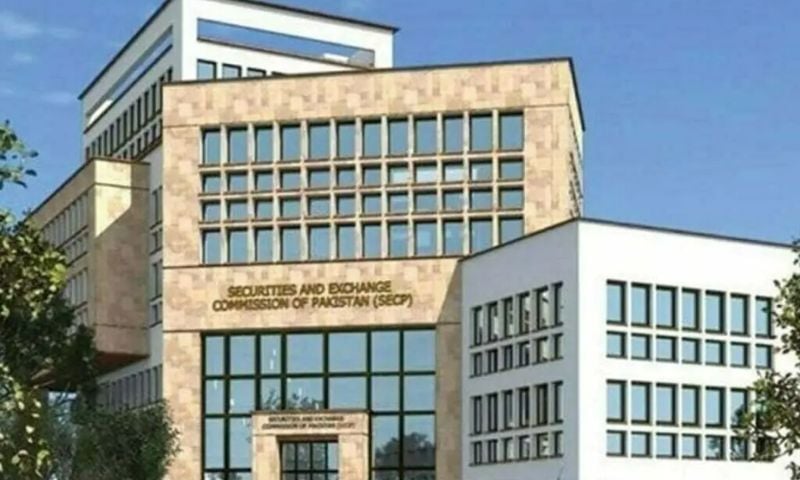
Securities and Exchange Commission of Pakistan (SECP) said nearly all new registrations, 99.9 per cent, were completed online through the regulator’s eZfile portal and integrated federal and provincial systems. It reflected the growing role of digital services in formalising business activity, it added.
Private limited companies accounted for 3,013 registrations, or 57.5 per cent of the total, while single-member companies numbered 2,058, representing 39.2 per cent.
The remaining registrations included 127 limited liability partnerships, 29 not-for-profit companies, 10 public companies, two trade organisations and two foreign companies.
The figures indicate that privately owned businesses and companies established by individual entrepreneurs continued to dominate new incorporations.
In a province-wise breakdown, Punjab accounted for the largest share of registrations, with 2,740 companies, or 52.3 per cent of the total.
Islamabad followed with 1,009 registrations, accounting for 19.2 per cent of the total, while Sindh recorded 790, or 15.1 per cent.
Khyber Pakhtunkhwa registered 428 companies, followed by Gilgit-Baltistan with 169 and Balochistan with 105.
The concentration of registrations in Punjab and Islamabad highlights their prominent role in new business formation. However, the figures do not indicate how many newly registered companies have started commercial operations.
Information technology leads
The information technology sector led new incorporations with 920 companies, followed by trading with 808 and services with 599.
Construction accounted for 339 registrations, while food and beverages recorded 239 and tourism 222. Real estate development contributed 193 companies, education 189, e-commerce 179, and mining and quarrying 127. Another 1,426 companies were registered across other sectors.
The strong showing by information technology and e-commerce points to continued interest in digital and technology-related businesses.
However, company registrations alone do not measure how much investment was committed, jobs created or revenue generated by the new enterprises.
Foreign participation
Foreign investors also participated in fresh corporatisation by forming new companies in September, with 167 investors from various countries.
China accounted for the largest number, with 113 investors, followed by the United States with seven, the United Kingdom with six, Hong Kong with five, and Singapore and Saudi Arabia with three each.
Australia, the United Arab Emirates, Türkiye, Germany, Canada, Spain, Thailand and Afghanistan each accounted for two investors. Investors from other countries numbered 14.
The SECP said the foreign participation included 10 foreign corporate entities, with the remaining investors being individuals.
The figures demonstrate participation by overseas investors in Pakistan’s company-registration process, although they do not indicate the value of foreign investment or the amount of capital committed to the newly incorporated businesses.
Pakistan women’s representation
Gender-disaggregated data showed that women accounted for 14 per cent of shareholders and directors, 11 per cent of ultimate beneficial owners — the individuals who ultimately own or control a company — and 8 per cent of chief executives.
The figures provide an indication of women’s representation in company ownership and leadership, while also highlighting differences across ownership, beneficial control and executive positions.
The regulator was working to simplify and improve access to the registration process, enabling entrepreneurs to establish businesses and contribute to economic growth, said Dr Kabir Ahmed, Chairman.
Formal company registration indicates businesses with a recognised legal structure and can help improve transparency and documentation.
Pakistan’s efforts to expand its documented economy have included the digitisation of public services and measures to bring more businesses into the formal sector.