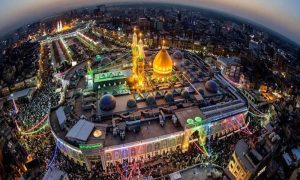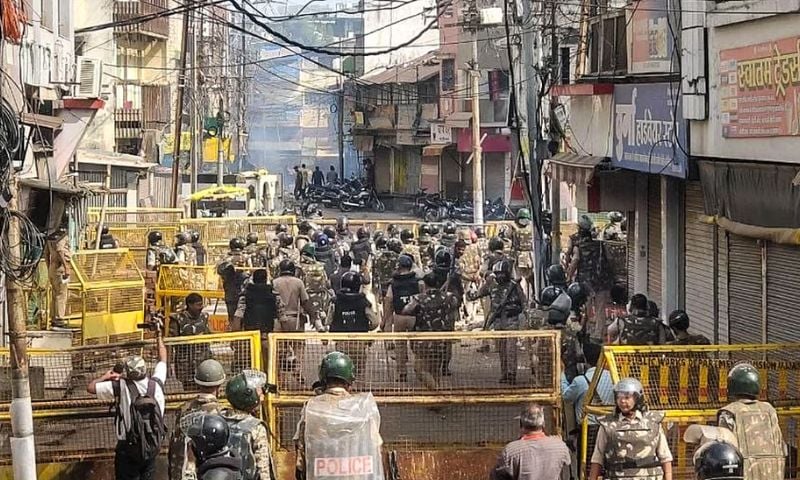
UJJAIN, India: Indian police used tear gas and batons to disperse protesters in Ujjain after clashes erupted over the demolition of the historic Shahi Masjid, as authorities began removing a section of the mosque for a road-widening project ahead of the 2028 Simhastha Kumbh Mela.
The confrontation took place on Monday, after hundreds of residents and the Muslim community gathered around the mosque for a second day to oppose the demolition. Police used tear gas and a baton charge to disperse the crowd. Several police personnel suffered injuries, while at least 15 people were detained, according to Indian media reports.
The dispute centres on a portion of the Shahi Masjid that lies within the proposed alignment of a road that the Ujjain Municipal Corporation plans to widen to 15 metres.
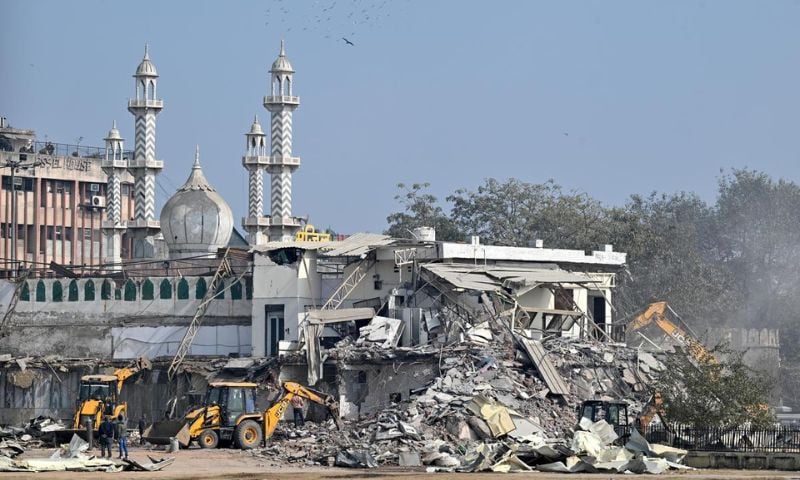
The road project is part of preparations for the 2028 Simhastha Kumbh, a major Hindu religious gathering expected to draw millions of pilgrims.
Overnight Protest
Tensions had been building since Sunday, when members of the Muslim community gathered at the mosque and remained there overnight to oppose the proposed demolition.
The administration and mosque representatives held discussions through the night. According to reports, the mosque committee agreed in the early hours of Monday to remove the section affected by the road-widening plan.
However, crowds gathered again later in the morning as work began. The situation escalated outside the mosque, with police reporting stone-pelting by some protesters. Security forces responded with tear gas shells and batons to disperse the crowd.
Mosque Section Removed
Around 11 feet of the mosque near Chhatri Chowk falls within the proposed road alignment, according to reports. The administration said the mosque committee had agreed to remove the affected portion itself following discussions with community representatives.
Earlier discussions included an agreement to remove a smaller, three-foot section described by authorities as an encroachment. The Madhya Pradesh High Court subsequently disposed of two petitions after representatives of the mosque committee and the administration told the court that they had reached an agreement.
The mosque committee’s representatives had challenged the proposed demolition, arguing that the affected area included parts of the prayer hall and other important religious features. The mosque is registered as a Waqf property.
Police also appealed to residents to remain calm and avoid spreading rumours as tensions continued around the site.
Wider Project
The Shahi Masjid dispute is part of a much wider road and infrastructure programme being carried out in Ujjain ahead of Simhastha 2028.
The road-widening project affects hundreds of structures along the proposed route. Madhya Pradesh Chief Minister Mohan Yadav has also taken part in the demolition of a portion of his own ancestral property in Ujjain as part of the development drive, presenting the move as an example of residents cooperating with the preparations.
The government says the infrastructure work is necessary to improve traffic movement and manage the large numbers of pilgrims expected during the religious gathering.
The mosque dispute, however, has remained particularly sensitive because of the building’s religious and historical significance and the objections raised by sections of the local Muslim community.