KABUL, Afghanistan: Armed resistance groups have intensified attacks against the Taliban regime across Afghanistan, with 10 armed attacks reported over the past week in Kabul, Sar-e-Pul, Kandahar, Badakhshan, Kunar, Nuristan, Parwan and Paktia provinces.
The resistance groups said the attacks targeted Taliban regime checkpoints, vehicles, gatherings and Taliban fighters. These attacks left 17 Taliban fighters killed and 10 wounded.
The Afghan Taliban regime is crumbling from within, as armed resistance continues to intensify and spread across the country.
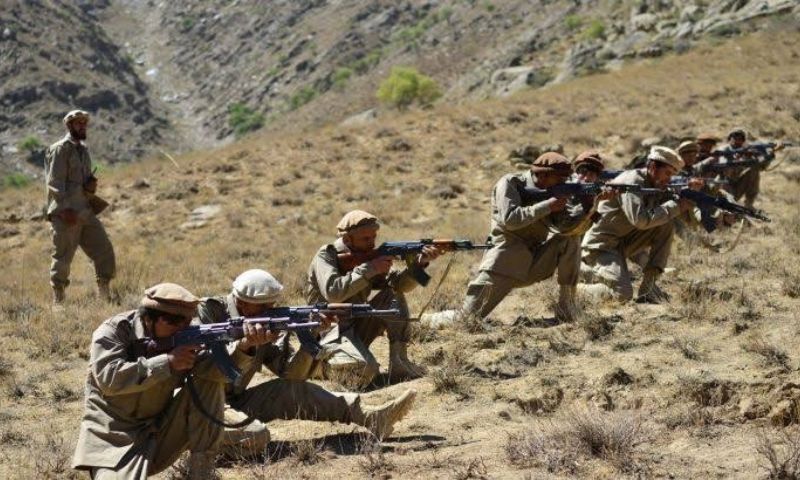
The Afghanistan Freedom Front (AFF) has intensified operations in Nuristan and Sar-e-Pul, with the group claiming that its fighters captured several Taliban positions and pushed regime forces back from parts of Nuristan and Kunar.
Clashes between the fighters of the Afghanistan Freedom Front (AFF) and the Taliban in Kamdesh District of Nuristan Province began this morning, Saturday, and are still ongoing, AFF said in a statement posted on X.
Follow-up Report: Clashes in Nuristan and Kunar Provinces
Clashes between the commandos of the Afghanistan Freedom Front (AFF) and the Taliban terrorist group in Kamdesh District of Nuristan Province began this morning, Saturday, September 26, 2026, and are still ongoing.
The… pic.twitter.com/I3pu6hYs5S— Afghanistan Freedom Front (@FREEDOMFRONTAFG) September 26, 2026
Afghanistan Freedom Front said that the Taliban launched an attack on the strongholds of the AFF fighters in Kamdesh district using ground forces and drones. However, after suffering heavy casualties, the Taliban fighters were forced to retreat, AFF said.
The Afghanistan Freedom Front says that since this morning, Saturday , intense clashes have erupted between the forces of this front and the Taliban in Kamdesh district of Nuristan province, and the fighting continues unabated.
In a released report, the front stated that Taliban… pic.twitter.com/YnRIkCdiQn
— Kabul International کابل انٹرنیشنل (@Kabulintlnews) September 26, 2026
“So far, several enemy outposts have fallen into the hands of AFF troops. Parts of Kamdesh District in Nuristan and Nari District in Kunar Province have been liberated from Taliban control. Large quantities of weapons, equipment, and military fortifications belonging to the enemy have also been captured by the valiant AFF commandos. Dozens of enemy-controlled drones have reportedly been destroyed or neutralised,” AFF said in an update.
Also Read: Taliban Regime Faces Growing Afghan Resistance Across Five Provinces
“The bodies of at least five Taliban militants have reportedly been left on the battlefield, while at least ten wounded Taliban terrorists have been transported to medical facilities behind the front lines in Nuristan and Kunar provinces,” AFF stated.
Clashes between commandos of the Afghanistan Freedom Front and the Taliban began this morning, Saturday, September 26, 2026, in Kamdesh district of Nuristan province and are still ongoing.
The Taliban launched an assault on the positions and strongholds of AFF commandos in… pic.twitter.com/BrTSEKBoYH— Afghanistan Freedom Front (@FREEDOMFRONTAFG) September 26, 2026
The Afghanistan United Front, led by former Afghan Army General Sami Sadat, has continued operations in Kandahar, Kabul and Badakhshan, including attacks on Taliban regime command and intelligence positions.
ظالمان و طاغوتیان در بدخشان جایی ندارند!
شب گذشته باز هم نیروهای دلیر جبهه متحد افغانستان در کوه پایه های پامیر، مرکز قوماندانی نیروهای رژیم طاغوتی را در ولسوالی درایم ولایت بدخشان مورد هدف قرار دادند.
په ترسره شویو عملیاتو کې د تالبانو طاغوتي رژیم یو تن له منځه وړل شوی او… pic.twitter.com/NWWM8jkSYW
— Afghanistan United Front (@afgunitedfront) September 24, 2026
Meanwhile, the National Independence Front (NIF) has carried out attacks in Paktia, Salang and Kandahar, targeting Taliban military vehicles and security posts.
The escalation reflects a broader trend: 39 armed resistance attacks across Afghanistan in September so far, killing more than 69 Taliban fighters and wounding 30.
History shows that this is what happens to tyrants who rule through repression, exclusion and coercion: resistance grows, their grip weakens and eventually the very system they built begins to crumble from within.
The growing resistance across Afghanistan exposes mounting pressure on the Taliban regime.
Repeated attacks against Taliban personnel and checkpoints, combined with resistance messaging in major urban areas, challenge the regime’s ability to impose uncontested authority through coercion.
Resistance forces have announced continuation of their multidimensional campaign against the Taliban regime, demonstrating that opposition remains active across geographically separated areas.
The Taliban’s coercive measures have failed to eliminate opposition, while repeated attacks expose vulnerabilities within its intelligence, military and enforcement machinery.
Nevertheless, the spread of resistance across five provinces in three days directly challenges the Taliban regime’s narrative of stability and uncontested authority.
Five years after the Taliban returned to power, the emergence of multiple armed fronts, particularly in provinces as far apart as Badakhshan, Kapisa, Helmand and Zabul, suggests that the regime continues to face an active internal opposition despite its control over the state apparatus.