NEW DELHI: India is facing an increasingly difficult energy and trade dilemma as its continued reliance on Russian oil collides with the threat of punitive US tariffs, exposing the limits of New Delhi’s attempt to balance its ties with Moscow and Washington.
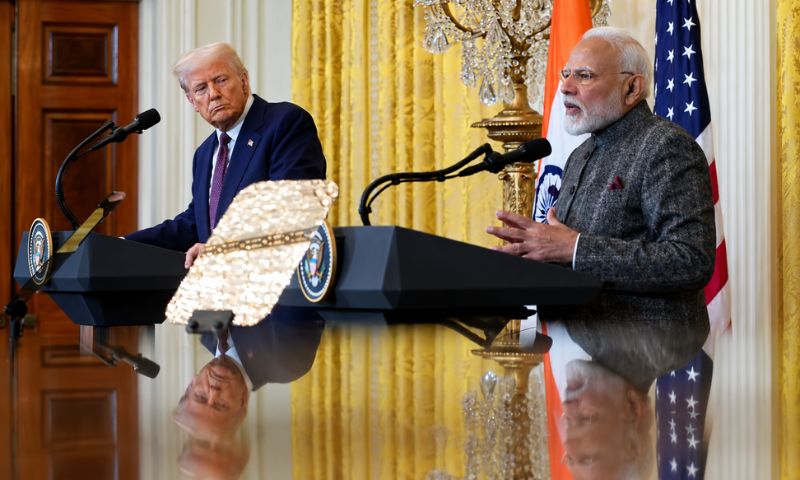
India, the world’s third-largest oil importer and one of the biggest buyers of Russian crude, reacted strongly after US lawmakers approved legislation giving President Donald Trump authority to impose tariffs of up to 100 per cent on countries making major purchases of Russian oil and gas. Trump signed the legislation into law on September 18.
For Prime Minister Narendra Modi’s government, reducing Russian oil purchases could raise fuel costs and increase pressure on public finances, while maintaining them risks exposing Indian exports to potentially severe US trade penalties.
The dilemma highlights how a policy that has helped India secure relatively cheaper crude since Russia’s invasion of Ukraine is now creating wider economic and diplomatic risks.
Russian Oil Reliance
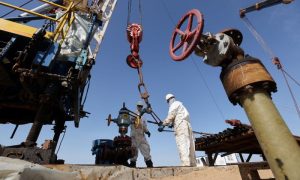
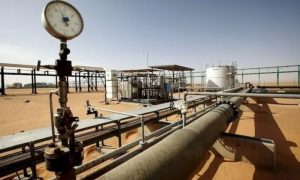
India sharply increased purchases of discounted Russian crude after Moscow invaded Ukraine in 2022. Russian oil now accounts for more than 40 per cent of India’s overall oil supplies, according to Reuters.
New Delhi has repeatedly defended the purchases, arguing that its large population and expanding economy require secure, affordable and reliable energy supplies.
The Indian foreign ministry said it remained committed to ensuring energy security for its 1.4 billion people through diversified sourcing and changing market conditions.
But the latest US legislation has raised the cost of maintaining that strategy.
Indian refiners have already secured crude supplies for September and October that include Russian oil, according to people familiar with the matter cited by Reuters.
Trade Pressure
The oil dispute comes at a particularly sensitive time for India-US trade relations.
Washington and New Delhi have been negotiating a broader trade agreement, but repeated tariff disputes have delayed progress.
The new US sanctions legislation could further complicate those negotiations by linking India’s energy purchases to access to its largest export market.
Analysts cited by Reuters said the legislation could widen the trust gap between the two governments and make negotiations more difficult.
India has sought to diversify its trade relationships, signing an agreement with Britain, finalising a deal with the European Union and pursuing further negotiations with Canada.
But replacing the scale of the US market would be difficult if Indian exports faced tariffs approaching 100 per cent.
Political Pressure
The Russian oil issue has also become a domestic political challenge for Modi.
Any significant increase in petrol and diesel prices could put additional pressure on consumers and government finances, particularly ahead of state elections in Uttar Pradesh, Punjab and Gujarat.
The opposition has urged the government to adopt a tougher position in response to Washington’s pressure.
At the same time, abandoning Russian crude too quickly could expose India to higher international oil prices at a time when global energy markets are already facing major supply disruptions.
Balancing Act
India’s dilemma reflects the increasingly difficult choices facing New Delhi as it seeks to maintain relationships with Russia, the United States and other major powers simultaneously.
The government argues that Russian purchases are driven by energy security and market conditions. Indian analysts have also argued that the purchases help stabilise global supplies and keep domestic fuel prices under control.
Washington, however, is using economic pressure to discourage major purchases of Russian energy and reduce Moscow’s revenues.
The result leaves India facing a difficult calculation: reducing Russian imports could increase its energy costs, while maintaining them could expose its exporters to potentially damaging US tariffs.
For Modi’s government, the challenge is no longer simply securing cheap crude. It is managing the wider economic consequences of a dependence that has become increasingly entangled with geopolitics.