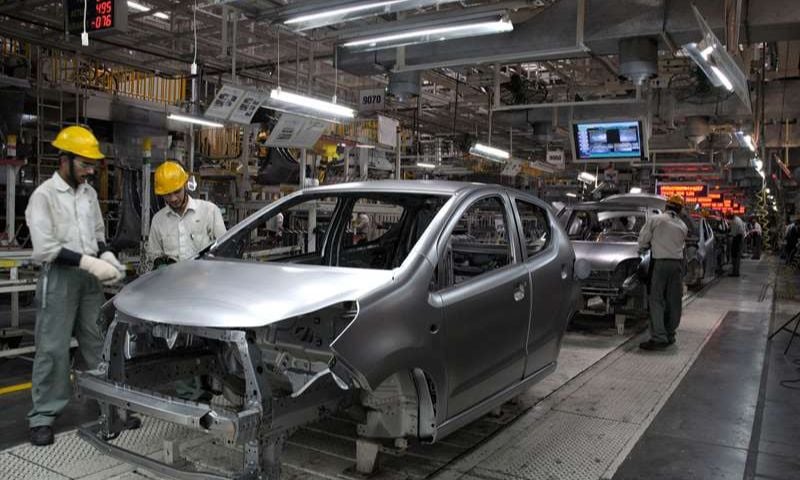
NEW DELHI: Indian car manufacturer Maruti Suzuki India has raised vehicle prices for the third time in four months, citing rising input costs, adding to the cost burden for consumers in the world’s third-largest automobile market.
According to a company statement, it would increase prices of selected models by up to 20,000 Indian rupees ($225) this month.
The latest increase follows two earlier rounds of price hikes announced since May. The frequent increases indicate ongoing pressure on manufacturers due to higher production costs.
Maruti Suzuki had raised prices by up to 30,000 rupees in June and announced another increase of up to 30,000 rupees from August.
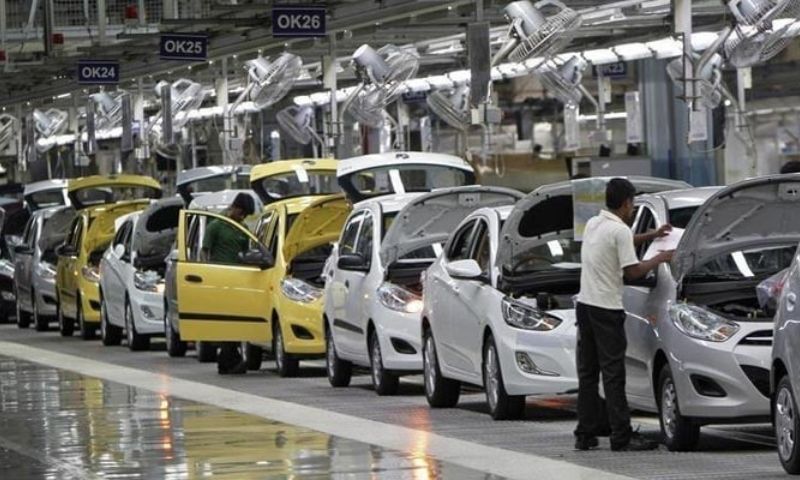
The latest adjustment is more limited, affecting selected models rather than the company’s entire range.
Indian car manufacturers have repeatedly increased prices at a time when they are facing higher costs for raw materials and other inputs.
It appears they intend to pass part of these additional costs on to customers, potentially affecting vehicle affordability and demand.
The price increases are not confined to Maruti Suzuki.
Hyundai Motor India has also announced a price increase of up to 1 per cent from September. The Korean car company cited higher input and commodity costs, operating expenses and geopolitical uncertainties in India.
Tata Motors Passenger Vehicles has similarly announced a price increase of up to 25,000 rupees from September.
STORY | Maruti Suzuki to hike prices by up to Rs 20,000 on select models, third time since May
Car market leader Maruti Suzuki India on Monday announced another hike in prices of select models by up to Rs 20,000 — its third hike since May — to be effective from this month,… pic.twitter.com/bll0YA7hk6
— Press Trust of India (@PTI_News) September 7, 2026
The moves indicate that cost pressures are affecting a larger section of India’s passenger vehicle industry rather than a single manufacturer.
READ ALSO: EU Carmakers Face Uphill Battle in India Despite Landmark Trade Deal
India’s passenger vehicle market has nevertheless remained relatively resilient, supported by improving consumer demand and expectations of stronger sales during the country’s important festive season.
Automakers typically see higher showroom traffic and vehicle purchases during festivals such as Navratri and Diwali.
The timing of the latest increases therefore presents manufacturers with a delicate balance.
Higher prices can help protect profit margins against rising costs, but repeated increases could also make vehicles less affordable for price-sensitive buyers.
Maruti Suzuki dominates India’s passenger vehicle market and sells a wide range of hatchbacks, sedans, sport-utility vehicles and other models.
Its pricing decisions are therefore closely watched across the industry and can influence competitive strategies among rival manufacturers.
The latest increase also coincides with broader uncertainty in global commodity and supply chains.
Changes in the prices of steel, aluminium, rubber, electronics and other components could significantly impact vehicle production costs.
For Indian consumers, successive price increases mean the cost of owning a new vehicle could rise even as manufacturers compete aggressively through new models, financing offers and discounts.
Industry analysts expect demand during the festive season to provide an important test of whether consumers can absorb the latest increases without significantly reducing purchases.
India’s automobile market
India is one of the world’s largest automobile markets, with passenger vehicles constituting a major part of its manufacturing and consumer economy.
The industry has recovered strongly from pandemic-era disruptions, supported by rising household incomes, expanding financing options and growing demand for sport-utility vehicles.
Automakers, however, remain exposed to fluctuations in the prices of steel, aluminium, rubber, electronics and other components used in vehicle production.
Global supply chain disruptions, currency movements and geopolitical tensions can add to these costs, prompting manufacturers to adjust showroom prices.
The sector is also undergoing a major transition towards electric vehicles, with companies investing heavily in new technologies and production capacity. Rising production and technology costs have increased the importance of pricing strategies as automakers seek to protect margins without weakening demand.