KARACHI: Direct flights between Uzbekistan’s capital Tashkent and Pakistan’s largest city Karachi have been launched, opening a new air link aimed at strengthening tourism, trade and people-to-people contacts between the two countries.
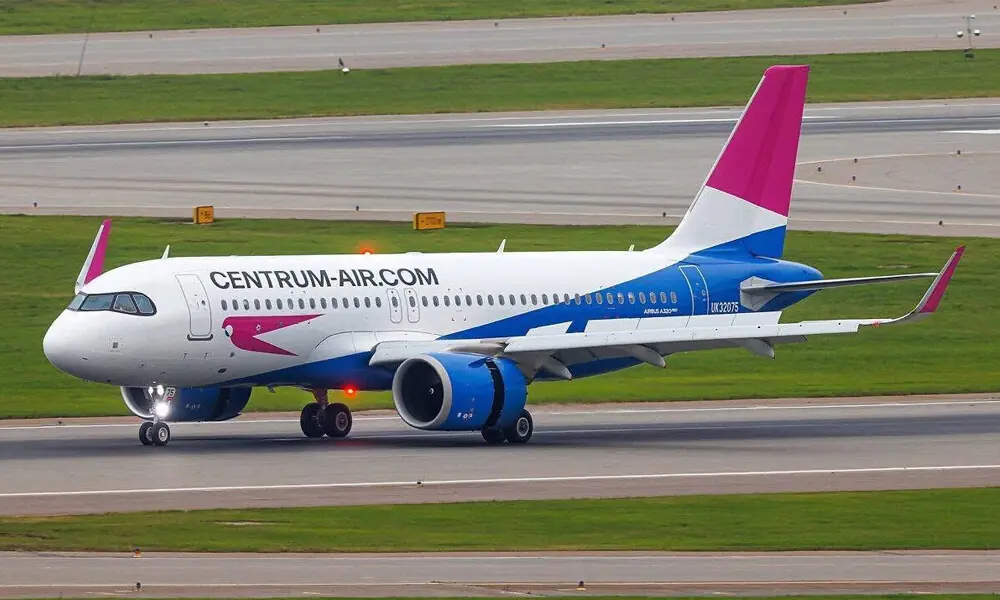
Uzbek airline Centrum Air began operating the direct service on September 3. The airline’s Airbus A320 arrived at Karachi Airport from Tashkent at 4:20am local time on the inaugural flight. The aircraft was given a traditional ceremonial water-cannon salute upon arrival, marking the launch of the new route.
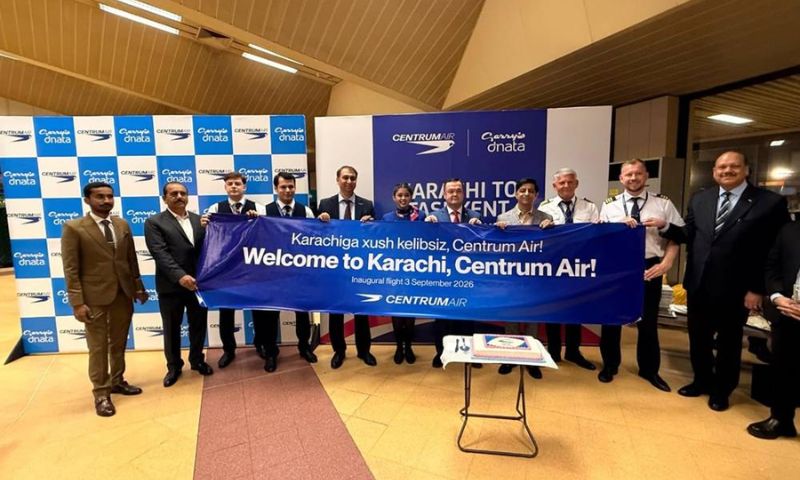
A welcoming ceremony was held at Karachi Airport and attended by representatives of the Sindh provincial administration and local government authorities, members of the diplomatic corps, officials from the Sindh Tourism Development Corporation, airline representatives, tour operators and members of the media.
Speaking at the ceremony, representatives of the Sindh government welcomed the launch, describing the new service as another practical step by Uzbekistan towards bringing the two countries and their people closer.
They said the direct connection would help facilitate greater tourist movement between Pakistan and Uzbekistan while also creating additional opportunities for business and economic engagement.
READ ALSO: Pakistan, Uzbekistan to Fast-track Central-South Asia Rail Corridor
The new route is expected to make travel between Karachi and Tashkent more convenient by providing passengers with a direct connection between the two major cities.
Officials also highlighted the potential of the new service to support business diplomacy, tourism and broader people-to-people exchanges between the two countries.
With the launch of the Tashkent-Karachi service, the number of direct flights operating between Uzbekistan and Pakistan has increased to eight per week.
The new connection adds to growing efforts by the two countries to strengthen connectivity and expand cooperation in tourism, commerce and other sectors.
The launch also comes as Pakistan and Uzbekistan seek to deepen bilateral relations and increase interaction between their business communities and tourism industries.