
Key Points
- Pakistan and Uzbekistan agree to accelerate work on the Uzbekistan-Afghanistan-Pakistan (UAP) railway corridor
- Cooperation reviewed in rail infrastructure, freight operations, logistics and technical exchange
- Corridor positioned as key route linking Central Asia with Pakistani seaports via Afghanistan
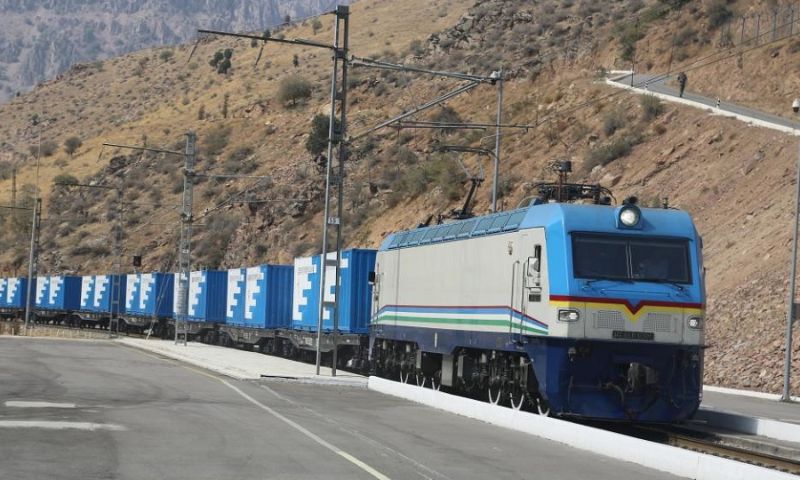
ISLAMABAD: Pakistan and Uzbekistan have renewed their commitment to advance the Uzbekistan-Afghanistan-Pakistan (UAP) railway corridor, a major regional connectivity initiative aimed at strengthening trade and transport links between Central and South Asia.
The reaffirmation came during a meeting in Islamabad between Federal Minister for Railways Muhammad Hanif Abbasi and Uzbekistan’s Ambassador Alisher Tukhtyov, where both sides discussed expanding cooperation in railway infrastructure development, freight logistics, and technical expertise sharing.
Both countries agreed to enhance institutional coordination between their railway organisations to support improved cross-border transport systems and facilitate regional supply chains.
Muhammad Hanif Abbasi described the UAP railway corridor as a strategic connectivity project that would provide Central Asian states with direct access to Pakistani seaports through Afghanistan.
He said the initiative would reduce transit time and logistics costs, improving regional trade efficiency and economic competitiveness.
He said Pakistan remained committed to the timely implementation of the project and would continue efforts to ensure its smooth progress as part of broader regional integration goals.
The Uzbek envoy expressed strong interest in deepening railway sector cooperation and reaffirmed Uzbekistan’s commitment to expanding economic and transport linkages with Pakistan.
The UAP corridor is part of wider regional efforts to develop alternative transit routes connecting landlocked Central Asian economies with global markets via South Asia.
The Uzbekistan-Afghanistan-Pakistan (UAP) Railway Project Agreement signed last year significantly advances regional infrastructure integration.
The Trans-Afghan railway project, with an estimated cost of up to $6 billion, should streamline trade and logistics across Central and South Asia.
This infrastructure offers economic growth opportunities in the region, particularly for landlocked countries such as Uzbekistan and post-conflict Afghanistan.
However, significant risks persist because of acute security challenges in both Afghanistan and Pakistan, financial uncertainties, and political instability.