
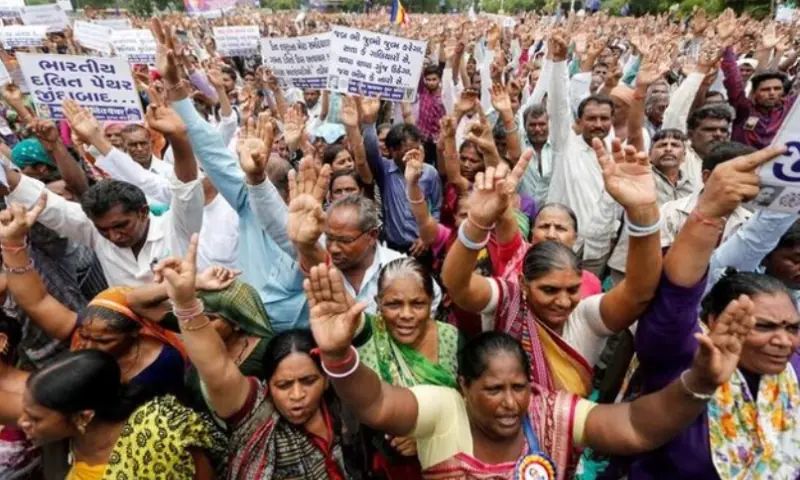
GENEVA: India must take stronger measures to protect tribal communities and disadvantaged castes from extrajudicial killings, torture and other abuses by law enforcement agencies, a United Nations human rights watchdog has said.
The UN Committee on the Elimination of Racial Discrimination (CERD) also expressed serious concern over reported hate crimes and discriminatory treatment targeting Bengali-speaking Muslims, Rohingya, migrants and asylum-seekers in India.
In its findings released after reviewing India’s record, the 18-member committee said it was “gravely concerned” by reports of large-scale violations committed by law enforcement officials against ethnic and ethno-religious minorities, indigenous and tribal peoples, scheduled tribes and scheduled castes, particularly Dalits, as well as non-citizens.
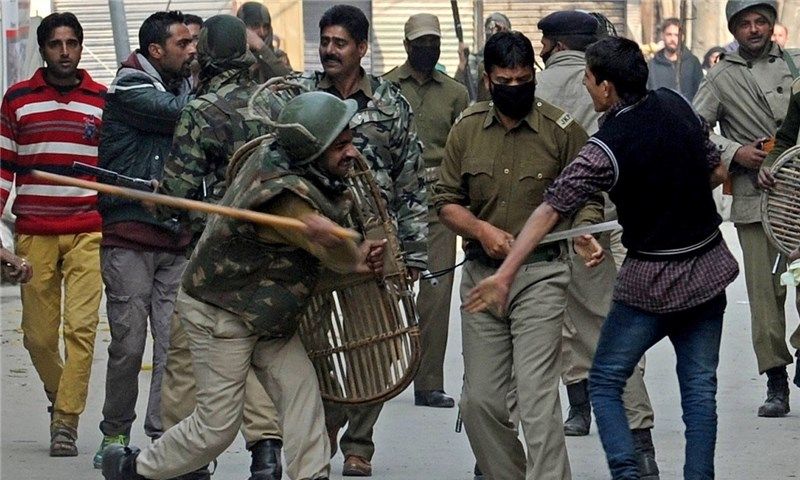
The abuses cited by the committee include racially motivated violence, excessive use of force, extrajudicial killings, arbitrary and prolonged detention without due process, torture, ill-treatment and sexual violence.
CERD called on Indian authorities to investigate all allegations thoroughly and ensure that those responsible for abuses are held accountable.
Concerns over Muslims, Rohingya
The UN panel said it was particularly alarmed by an increase in law enforcement operations targeting Rohingya, Bengali-speaking Muslims, migrants and people seeking asylum.
According to the committee, police stops and identity checks based on racial profiling have led to arbitrary arrests and detention without due process, as well as torture and other forms of mistreatment. It also raised concerns over the deportation and forced return of people who may require international protection.
CERD urged New Delhi to urgently tackle discrimination, hate speech and hate crimes against vulnerable communities, while ensuring their rights are protected. It also called on India to refrain from collective expulsions.
The findings add to longstanding concerns about discrimination and violence against marginalised communities in India, where caste continues to have a profound influence on social status and access to education, resources and economic opportunities.

India attempts to defend its human rights record
In an unsuccessful effort to defend its human rights record, India appeared before CERD earlier this month for the first time since 2007, with Solicitor General Tushar Mehta leading the country’s delegation.
India’s mission tried to defend the country’s constitutional and legal framework, saying its delegation had highlighted the country’s pluralism, diversity and complexity, along with existing safeguards aimed at ensuring equality, dignity and opportunity for its citizens.
READ ALSO: US Report Finds ‘Significant Human Rights Abuses’ in India
However, CERD’s findings placed renewed international scrutiny on the treatment of minorities, lower-caste communities, tribal peoples and non-citizens by Indian authorities.
The committee monitors implementation of the International Convention on the Elimination of All Forms of Racial Discrimination, which requires states to combat racial discrimination, end segregation and ensure equality before the law. CERD’s findings can carry significant international and reputational consequences for countries under review.
The committee’s assessment presents a stark challenge to India’s claims of equal protection and highlights that vulnerable communities continue to face discrimination, violence and heavy-handed treatment by state authorities.