Key Points
- Taliban face mounting challenges to authority and legitimacy
- Armed resistance resurges in northern and northeastern Afghanistan
- Pakistan-Afghanistan tensions have escalated into open conflict
ISLAMABAD: Five years after the Taliban returned to power in Kabul following the withdrawal of US and allied forces, Afghanistan is confronting a widening crisis of governance, legitimacy, economic hardship and security.
In addition, the Afghan people are deep into the hardships; the regime is also facing renewed armed resistance at home and dangerous confrontation with neighbouring Pakistan after failing to root out terrorists taking refuge in Afghanistan.
The Taliban’s return to power on August 15, 2021 followed the collapse of the Western-backed Afghan government and security forces after the United States and its allies implemented a withdrawal process shaped by the February 2020 Doha Agreement with the Taliban.
The Afghan government was not a party to that agreement. As foreign military support was withdrawn, the Afghan security structure rapidly unravelled, President Ashraf Ghani left the country and Taliban forces entered Kabul with little resistance.
The sequence has remained the subject of competing interpretations over whether the Taliban’s return was primarily the result of an insurgent military advance, the collapse of the Afghan state, or a power vacuum created by the Western withdrawal.
Strained authority in Afghanistan
Five years on, the Taliban remain the de facto rulers of Afghanistan, but their authority and legitimacy remain contested.
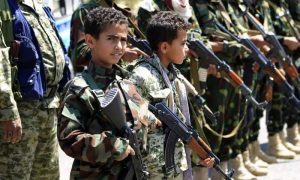
Armed opposition has shown renewed activity in parts of northern and northeastern Afghanistan, particularly Badakhshan, challenging the narrative that the 2021 change of power brought a definitive end to the country’s armed conflict.
The National Resistance Front and Afghanistan Freedom Front have claimed attacks against Taliban positions in several areas. Off late, Badakhshan emerging as a particularly important flashpoint.
Recent reporting has pointed to intensified resistance activity and attacks on Taliban officials and security personnel.
ALSO READ: Afghanistan Freedom Front, Taliban Regime Forces Clash in Badakhshan
A more consequential challenge has emerged along Afghanistan’s relationship with Pakistan.
For five years, Islamabad has repeatedly accused the Taliban authorities of failing to prevent the Tehreek-e-Taliban Pakistan (TTP) and other terrorist groups from using Afghan territory to plan and conduct attacks against Pakistan.
The dispute escalated sharply in 2026, moving from diplomatic protests and border clashes to direct military confrontation, including Pakistani strikes inside Afghanistan and retaliatory fighting.
The deterioration has added a regional security dimension to Afghanistan’s already unresolved internal conflict.
The Taliban also face the continuing threat of Islamic State-Khorasan, which has demonstrated the ability to carry out high-profile attacks despite Taliban claims of having restored security.
The regime’s international position remains fragile. Russia has become the first country to formally recognise the Taliban government, but most governments continue to withhold formal recognition.
For Afghan women and girls, the post-2021 period has brought some of the world’s most sweeping restrictions.
Girls remain excluded from secondary and higher education, while women face extensive restrictions on employment, movement, public participation and access to various services.
The United Nations has repeatedly described the restrictions as systematic discrimination, with more than 2.4 million girls currently excluded from secondary education.
Humanitarian needs remain acute, with more than 20 million Afghans requiring assistance in 2026 and millions facing acute food insecurity. Drought, natural disasters, poverty, limited employment opportunities and pressure on basic services continue to compound the crisis.
Afghanistan is also struggling to absorb millions of returnees from neighbouring countries. The scale of the returns has placed additional pressure on housing, employment, healthcare and other essential services, particularly in communities already facing severe economic hardship.
Five years into Taliban rule, Afghanistan therefore presents a complex picture. Apparently, the Taliban are the country’s de facto authorities. But their political legitimacy is limited, and their international recognition remains narrow. Armed opposition to the Taliban rule still persists and their ability to prevent terrorist groups from operating from Afghan territory is a major source of regional tension.
For ordinary Afghans, the crisis is compounded by restrictions on women, limited employment opportunities, food insecurity, displacement and renewed regional conflict.
The shrinking space for civil society, independent media and political dissent has further reduced avenues through which Afghans can influence the country’s future.