
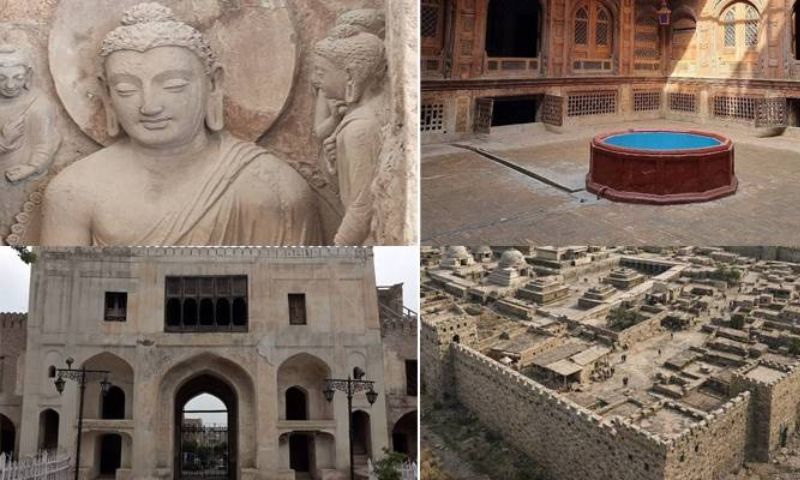
ISLAMABAD: In a landmark achievement for Pakistan’s cultural preservation efforts, the UNESCO World Heritage Centre has added four major archaeological and heritage sites from Khyber Pakhtunkhwa to its prestigious World Heritage Tentative List, significantly boosting the province’s global cultural standing and opening new doors for international tourism.
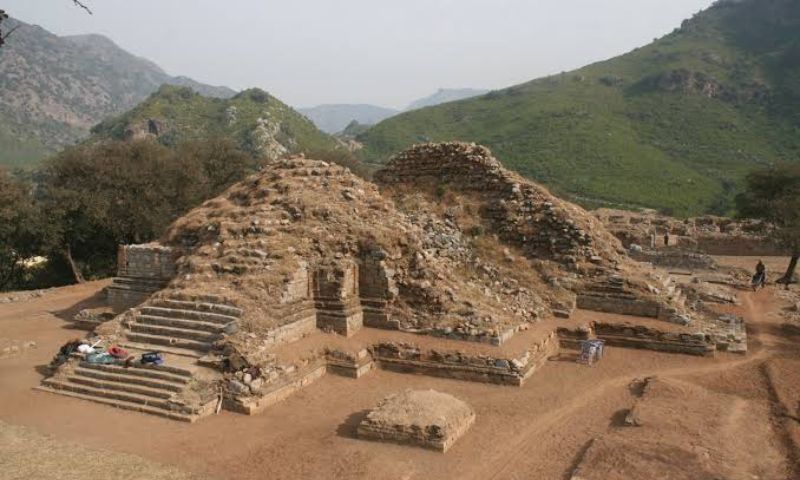
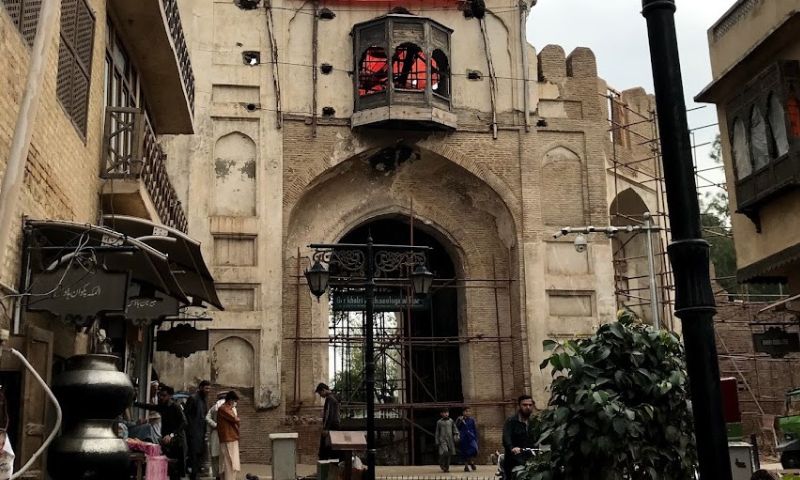
The newly inscribed sites, Bhamala in Haripur, Sethi House and Gor Khatri in Peshawar, and Barikot in Swat, represent a diverse tapestry of Pakistan’s ancient civilisations, ranging from Buddhist-era archaeological wonders to exquisite examples of 19th-century Sikh and Mughal-era architecture.
A Proud Milestone for Khyber Pakhtunkhwa’s Heritage.
UNESCO World Heritage Centre has added four major archaeological and heritage sites of KP to its World Heritage Tentative List:
📍 Bhamala, Haripur
📍 Sethi House, Peshawar
📍 Barikot, Swat
📍 Gor Khatri, PeshawarThe… pic.twitter.com/M1INHboWMe
— Government of KP (@GovernmentKP) August 13, 2026
This development marks a pivotal moment for the Directorate General of Archaeology and Museums, Khyber Pakhtunkhwa, which spearheaded the nomination process in collaboration with Federal Archaeology and UNESCO Pakistan.
A historic leap for Pakistan’s cultural landscape
With these four additions, Pakistan’s total number of sites on the United Nations Educational, Scientific and Cultural Organisation (UNESCO) World Heritage list has now reached 32, comprising six cultural and natural sites already inscribed on the World Heritage List and 26 sites on the Tentative List.
This places Pakistan among the countries with the most diverse and rapidly growing heritage portfolios in South Asia, reflecting the nation’s commitment to safeguarding its millennia-old civilisations for future generations.
Read Also: Journey Through Time: Exploring Pakistan’s UNESCO World Heritage Sites
The inclusion places these historically significant landmarks, which span over 2,000 years of human history, on a globally recognised platform. Bhamala, known for its uniquely shaped Buddhist stupa and terracotta figures dating back to the Gandhara civilisation, joins Barikot, an ancient city near the Swat River that was once a thriving center of Buddhist and Hindu Shahi culture.
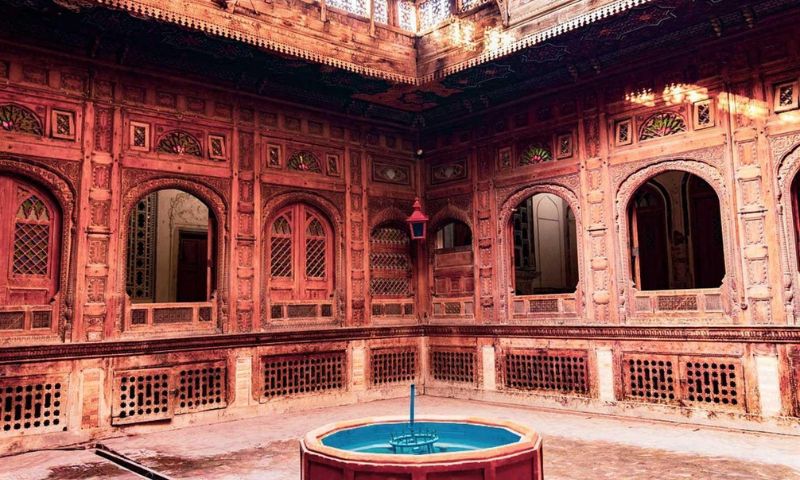
Meanwhile, Sethi House, a magnificent example of Peshawar’s 19th-century merchant architecture, and Gor Khatri, a historic caravanserai that has served as a Buddhist monastery, Hindu temple, Mughal fort and Sikh residence, showcase the region’s layered cultural heritage.
Read Also: Diplomatic Triumph: Islamabad Beats New Delhi to Secure Vice Chair in UNESCO
Government hails recognition as national pride
Khyber Pakhtunkhwa Information Minister Shafiullah Jan welcomed the UNESCO recognition with profound pride, describing the province’s historic heritage as a sacred trust for future generations.
“The inclusion of these four sites is not just an administrative achievement; it is a testament to the enduring spirit of our ancestors and the civilisations that flourished on this soil,” said Jan. “Preserving this glorious past is essential for laying the foundation for a brighter, more informed future for our coming generations.”
He emphasised that the preservation and international promotion of KP’s cultural heritage remain among the government’s top priorities. “Our historical sites are not merely bricks and mortar, they represent an important part of our identity. Protecting them ensures our future generations will remain deeply connected with their cultural and historical roots,” he added.
Read Also: UNESCO to Protect Pakistan’s 5,000 Year Old Musical Instrument
Tourism boost and global image enhancement
The UNESCO recognition is widely expected to catalyse a significant boost in international tourism for Khyber Pakhtunkhwa, a region historically known more for its rugged mountain terrain than its archaeological treasures.
Global travelers, archaeologists and historians are now likely to turn their attention to Haripur, Peshawar and Swat, creating fresh economic opportunities for local communities.
“The global recognition of these historical locations will help promote KP’s cultural attractions and strengthen its positive image around the world,” said a spokesperson for the Directorate General of Archaeology and Museums. “We anticipate increased scholarly interest, international funding for conservation projects, and a steady rise in heritage tourism that will benefit the local economy.”
This development comes at a time when Pakistan is actively positioning itself as a premier destination for cultural and adventure tourism.
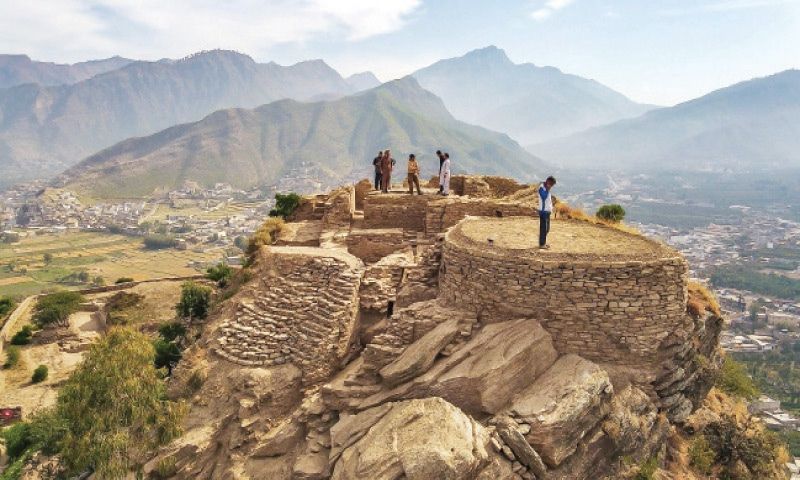
With Swat Valley already drawing comparisons to Switzerland for its natural beauty, the UNESCO listing of Barikot adds a compelling historical dimension to the region’s tourism appeal.
Similarly, Peshawar’s ancient Sethi House and Gor Khatri offer visitors an immersive journey through the city’s storied past, from Buddhist monks to Sikh warriors and British colonial administrators.
خیبر پختونخوا کے چار تاریخی مقامات کی یونیسکو عارضی فہرست میں شامل کرلئے گئے
بھامالا ہری پور ، سیٹھی ہاؤس پشاور، بریکوٹ سوات اور گور گٹھڑی پشاور یونیسکو کی عارضی فہرست کا حصہ بن گئےیونیسکو کی عارضی فہرست میں شمولیت خیبر پختونخوا کے تاریخی ورثے کے عالمی سطح پر پذیرائی اور… pic.twitter.com/xf6fdZ3taX
— Muhammad Faheem (@MeFaheem) August 15, 2026
A collaborative effort years in the making
The successful inclusion of these four sites is the result of years of meticulous documentation, preservation work and lobbying by Pakistani archaeologists and heritage experts.
The Directorate General of Archaeology and Museums, KP, worked tirelessly to compile comprehensive dossiers meeting UNESCO’s stringent criteria, demonstrating the sites’ “Outstanding Universal Value.”
The development also underscores the growing importance Pakistan places on its archaeological heritage.
Read Also: Pakistan’s Kalash Valleys Secure Place in UNESCO World Heritage Tentative List
With sites like Mohenjo-Daro, Taxila and the Lahore Fort already on UNESCO’s main list, the addition of these KP sites reinforces the country’s reputation as a cradle of ancient civilisations.
Read Also: Saudi Arabia’s Uruq Bani Ma’arid Reserve Added to UNESCO’s World Heritage List
While inclusion on the Tentative List is the first step, the sites must now undergo further evaluation before they can be formally inscribed on UNESCO’s World Heritage List, a process that can take several years. However, the achievement already ensures these sites receive international attention, protection and potential funding for conservation.