
KEY POINTS
- Indigenous culture of Bumburate, Birir and Ramboor – earns global recognition after decade-long push
- First community-based inscription – An entire living community and its practices have been listed for the first time.
- Over a decade of effort – The archaeology department worked for more than ten years to achieve this recognition.
- Next step: formal dossier – Bylaws and a detailed submission must now be prepared for final UNESCO approval.
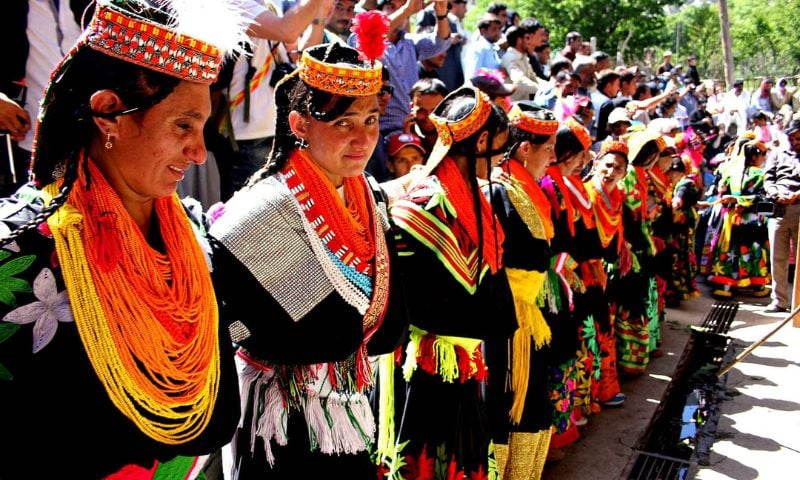
- People celebrate four major festivals – women wear distinctive black embroidered robes with cowrie shells.
PESHAWAR: The Kalash valleys in Chitral district of Pakistan’s Khyber Pakhtunkhwa have been added to United Nations Educational, Scientific and Culture Organisation’s (UNESCO) World Heritage Tentative List, officials confirmed on Tuesday.
The Tentative List serves as an inventory of important natural and cultural heritage sites within a country. UNESCO states that no property can be considered for the permanent World Heritage List unless it first appears on this list.
A major milestone for the Government of Khyber Pakhtunkhwa!
The Kalash Valleys have been inscribed on the @UNESCO World Heritage Tentative List, bringing the province’s unique tangible and intangible heritage to the global stage.
This achievement has been made possible through… pic.twitter.com/SRDEejYZb8
— Government of KP (@GovernmentKP) April 28, 2026
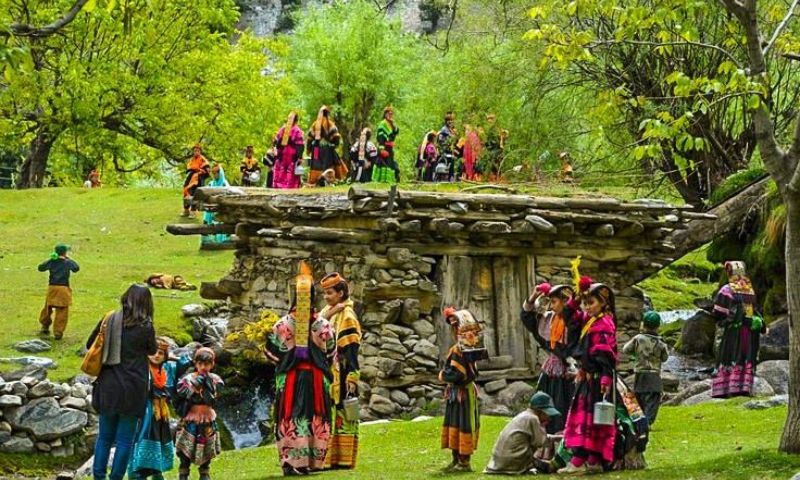
The Kalash enclave comprises three remote valleys, Bumburate, Birir and Ramboor , and is home to over 4,000 indigenous people who follow a polytheistic religion and maintain unique cultural traditions.
‘A significant achievement’
Dr Abdul Samad, KP Director General of Archaeology and Museums, on the occasion said that the development marks a major step forward for Kalash cultural preservation.
“It is the first time an entire community and its cultural practices have been listed by the UNESCO World Heritage Tentative List,” he said.
He explained that tentative enlistment requires the World Heritage Centre to accept the submission, followed by a formal UN notification. After that, a dossier with bylaws and other necessary measures must be submitted.
Dr Samad added that the recognition has placed Kalash culture on both national and international cultural maps, supporting efforts for community development and heritage preservation.
Governor hails ‘long overdue’ recognition
KP Governor Faisal Karim Kundi welcomed the development on X, calling it a “major milestone.”
Proud moment for #Pakistan 🇵🇰
The Kalash Valleys have been inscribed on UNESCO’s World Heritage Tentative List, a major milestone in recognizing our rich cultural heritage on the global stage. #KhyberPakhtunkhwa is home to some of the world’s most breathtaking landscapes and…
— Faisal Karim Kundi (@fkkundi) April 28, 2026
He noted that KP is “home to some of the world’s most breathtaking landscapes and unique cultural traditions, and this recognition is long overdue.”
“A well-deserved moment that brings global attention to the beauty and heritage of our region,” Kundi added.
UNESCO’s assessment
According to UNESCO’s website, “The Kalasha Valley cultural landscape possesses outstanding universal value as an extremely rare and exceptionally well-preserved example of a living indigenous cultural system.”
The UN body said this system has continued uninterrupted for centuries despite historical changes, outside influences and social pressures, with the Kalasha community successfully preserving its distinct identity.
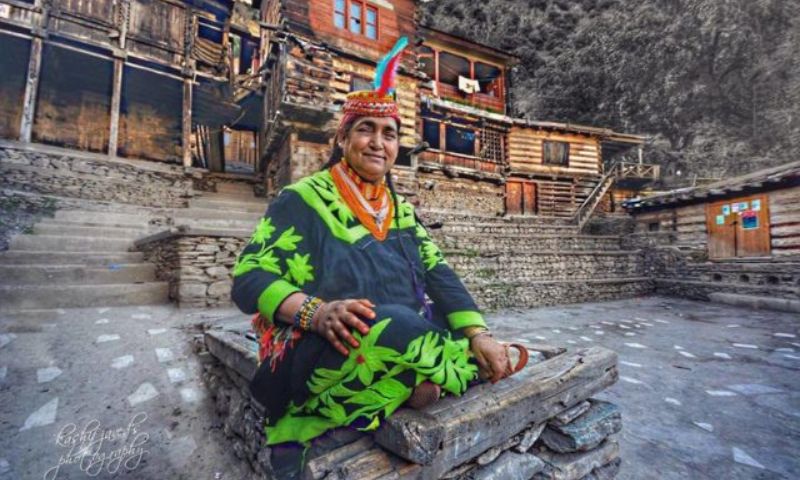
Tangible heritage includes over 140 recorded ceremonial structures, ritual platforms, ancestral graveyards with wooden carvings, and traditional villages.
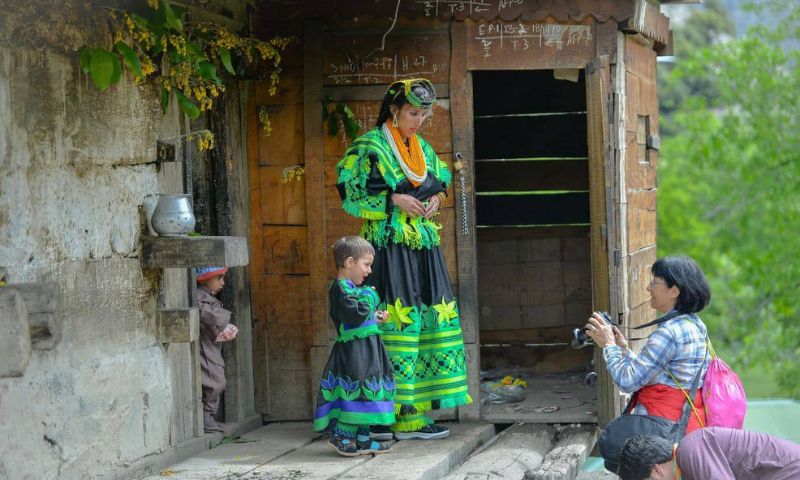
Intangible heritage encompasses religious rituals, seasonal festivals, oral storytelling, unique music and dances, distinctive clothing, and customary laws overseen by a council of elders.
“These elements do not exist separately from one another,” UNESCO stated. “Instead, they form a unified and working system that continues to regulate daily life, land management, social relationships, spiritual practices, and community decision-making in a fully integrated way.”
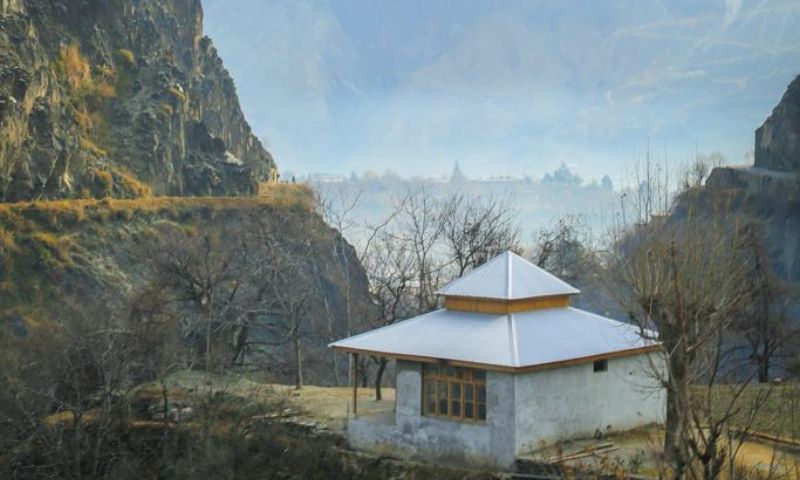
History and origin
The Kalash are an indigenous Indo-Aryan people residing in Pakistan’s Khyber Pakhtunkhwa province, specifically in the three remote valleys of Bumburate, Birir, and Ramboor in Chitral district. With a population of approximately 4,000, they are considered Pakistan’s smallest ethnoreligious minority.
Historically, the Kalash were part of a larger region known as “Kafiristan” (land of non-believers) spanning parts of present-day Pakistan and Afghanistan. Historians believe they migrated to the region over 4,000 years ago, possibly descending from the ancient Gandhari people or steppe pastoralists.
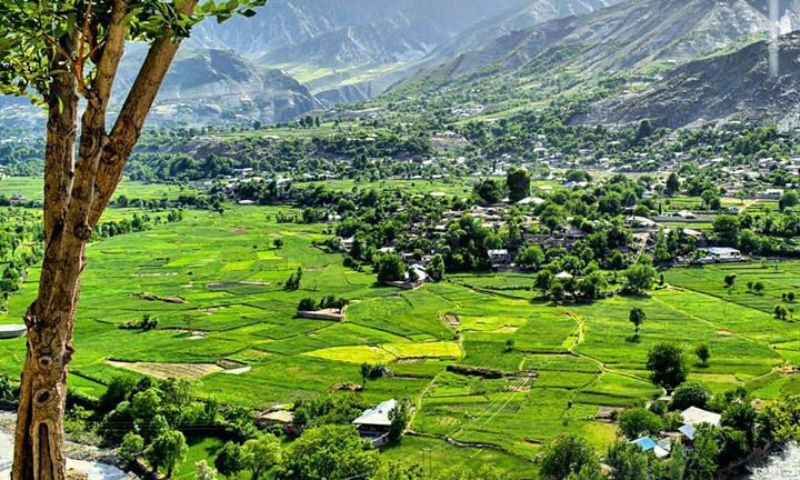
The Kalash practice an ancient polytheistic religion blending animism with elements resembling early Hinduism. They celebrate four major festivals marking seasonal changes and harvests, wear distinctive black embroidered robes adorned with cowrie shells, and maintain unique social customs where women enjoy significant freedom, including the right to choose their own marriage partners. However, menstruating women stay in communal “Bashali” houses.
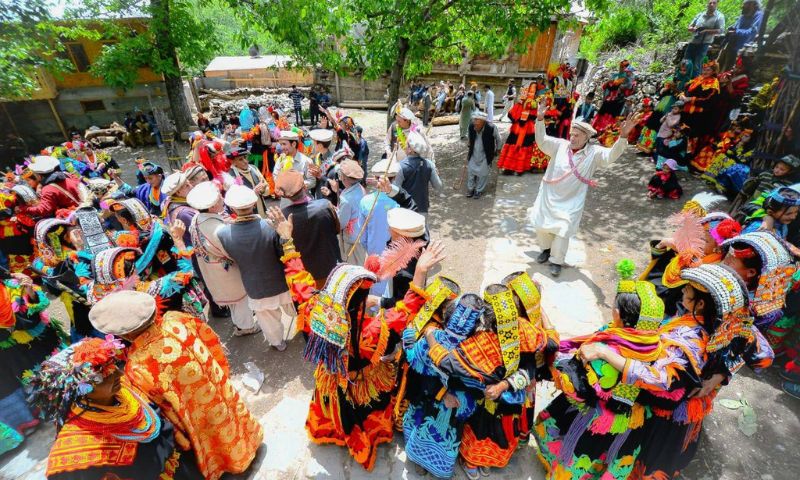
The Kalash celebrate death rather than mourn it, dancing for three days before burial. They are primarily subsistence farmers and herders of goats, which are central to their economy and religious sacrifices.
Their language, Kalasha-mun, has now been put into written form, and with UNESCO recognition and increased tourism, efforts are underway to preserve their unique heritage for future generations.