TEHRAN: Iran has said there is “no reason to worry” that the new defence agreement between Pakistan, Saudi Arabia and Türkiye is directed against Tehran, pointing to its deep religious, historical and civilisational ties with all three countries.
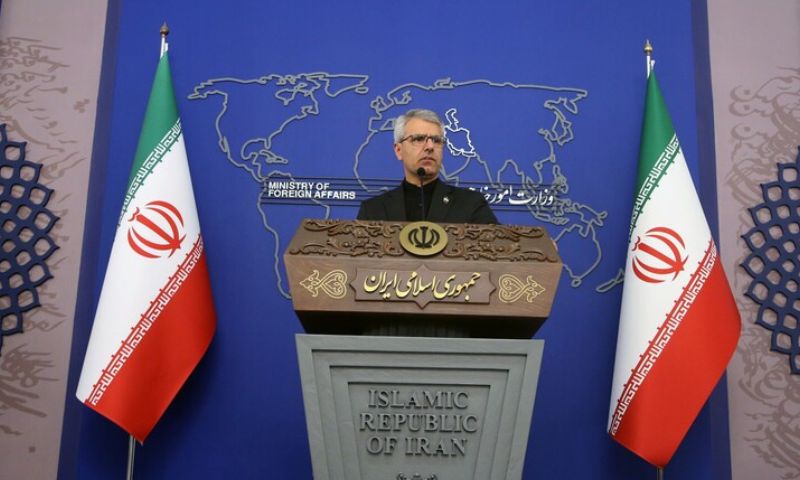
Iranian Foreign Ministry spokesperson Esmaeil Baqaei made the remarks on Monday while commenting on the Makkah Joint Defence Agreement signed by Pakistan, Saudi Arabia and Türkiye last week.
🎥 سخنگوی وزارت خارجه در واکنش به پیمان دفاعی مکه: کشورهای منطقه در ۳ سال گذشته فهمیدهاند که امنیت، کالای قابلخریداری از دلالان دروغین نیست
هر طرحی که مبتنی بر واقعیتها باشد و دشمن و تهدید را درست بشناسد، به امنیت منطقه کمک میکند و جلوی بیثباتی دشمن صهیونیستی را میگیرد. pic.twitter.com/IpKapAZIKm
— خبرگزاری فارس (@FarsNews_Agency) August 10, 2026
The agreement, signed in Makkah on Friday, seeks to strengthen collective deterrence among the three countries and provides that an armed attack against any one of the signatories would be considered an attack against all.
Baqaei said the agreement was also an indication of a changing perception among regional countries about how security should be achieved.
“Considering the developments of the last two to three years, the countries of the region have realised that security is not a commodity that can be bought from false security brokers,” Iran’s state media quoted him as saying in an apparent reference to the United States.
He said regional states appeared to be moving towards arrangements based on their own capabilities and regional perspectives rather than relying on security guarantees from powers outside the region.
According to the Iranian state news agency IRNA, Baqaei said any regional security initiative based on the “geopolitical and historical realities” of the region, while being comprehensive and inclusive, could contribute to strengthening security and preventing instability.
Asked whether Iran could eventually join the defence pact, the spokesperson said Tehran had consistently advocated security mechanisms based on cooperation among regional countries and free from what he described as the “destructive intervention” of foreign actors.
He added that Iran’s proposals for regional security cooperation remained in place and could be updated in light of recent developments.
“We are in close contact with neighbouring countries and regional countries,” Baqaei said, expressing hope that regional states would draw lessons from developments over the past two to three years and choose the best course to strengthen collective security.
The comments came after Pakistan’s Deputy Prime Minister and Foreign Minister Ishaq Dar said on Sunday that the Makkah agreement remained open to other regional countries that were willing to uphold its fundamental principles.
READ ALSO: Pakistan Says Makkah Defence Pact Open to Countries Committed to its Core Principles
Dar described the agreement as the result of years of discussions and coordination and stressed that it was “purely defensive” in nature.
“It is not targeted against any country and its sole purpose is to further strengthen our ongoing efforts towards peace, stability and prosperity in the wider region,” Dar said.
He also clarified that the agreement did not cancel or replace any existing bilateral or multilateral arrangements involving the three signatories or their agreements with other countries and international organisations.
The remarks from both Tehran and Islamabad indicate an effort to frame the new defence arrangement as a regional security initiative rather than an alliance directed against a particular country.