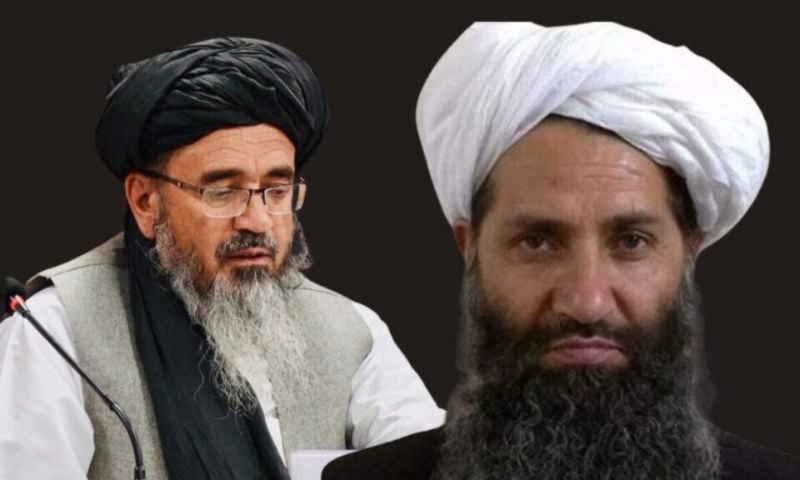



THE HAGUE: One year after the International Criminal Court issued arrest warrants against Taliban leader Hibatullah Akhundzada and Chief Justice Abdul Hakim Haqqani, the case continues to shape international debate over accountability for the Taliban’s treatment of women and girls, even though neither suspect has been arrested.
The court said the two senior Taliban officials were being sought for crimes against humanity linked to gender-based and political persecution of women, girls and others after the Taliban returned to power on August 15, 2021.
According to the ICC, there were reasonable grounds to believe that Taliban decrees, rulings and official policies systematically deprived women and girls of basic rights, including education, employment, freedom of movement, expression and belief.
The case was built on reports by human rights organisations, witness and victim statements, media records and official Taliban decrees. Prosecutors concluded that these measures were not isolated local actions but part of an organised policy to remove women from public life.
These policies included bans on girls’ education, restrictions on women’s employment, severe limits on movement and the suppression of protesters and civil society activists.
As the Taliban’s ultimate decision-maker, Akhundzada was identified as bearing primary responsibility for these policies, while Haqqani was accused of helping enforce them through the Taliban’s judicial structure.
However, UN special rapporteur Richard Bennett, Human Rights Watch’s Heather Barr, Nobel laureate Malala Yousafzai and Afghan activists welcomed the move as an important step towards justice.