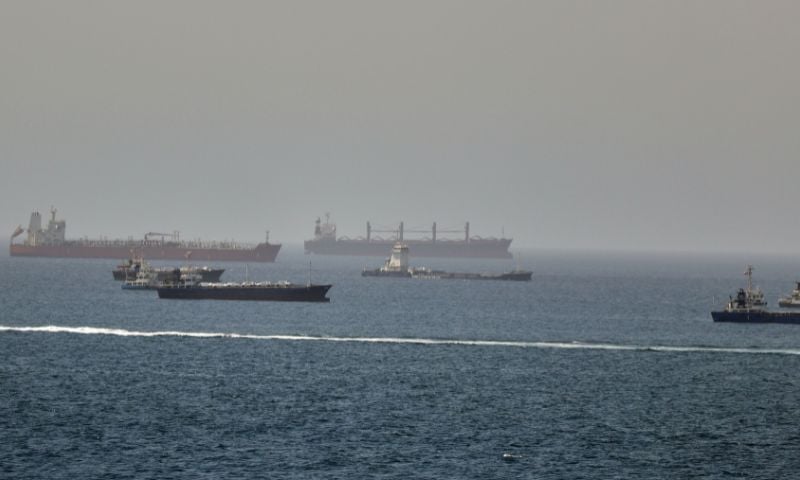



DUBAI: Gulf crude oil exports rebounded sharply in June as tanker traffic through the Strait of Hormuz recovered following positive progress in Pakistan and Qatar mediated talks between the United States and Iran, while oil prices fell back towards pre-conflict levels as concerns over supply disruptions eased.
Combined crude and condensate exports from Saudi Arabia, the United Arab Emirates, Kuwait, Iraq and Iran rose above 10 million barrels per day in June, according to shipping analytics firms Kpler and Vortexa.
Kpler estimated exports at 10.07 million barrels per day, while Vortexa put the figure at 10.2 million barrels per day, up from about seven million barrels per day in May.
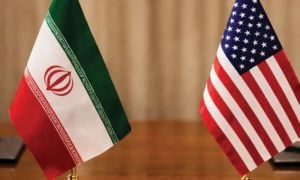
The recovery followed the June 18 Islamabad Memorandum of Understanding (MoU) between Washington and Tehran, brokered by Pakistan. Under the Islamabad MoU, the US and Iran agreed to halt the conflict and restore shipping through the Strait of Hormuz after disruptions caused by the US-Iran conflict.
According to Kpler analyst Johannes Rauball, around 23 million barrels of crude remained waiting to transit the waterway after floating storage peaked at 96 million barrels in late April.
Tanker traffic rebounds
Shipping activity through the strategic waterway also increased significantly.
Shipbroker BRS said 98 tankers crossed the Strait of Hormuz between June 22 and June 28, averaging 14 vessels per day, the highest level since the conflict began.
The traffic included 47 loaded outbound tankers and 41 ballast vessels entering the Gulf, indicating growing confidence among shipowners to resume operations in the region.
The United Arab Emirates recorded its highest crude exports on record in June, shipping between 3.7 million and 3.8 million barrels per day, according to data from Kpler, Vortexa and LSEG.
The increase of more than one million barrels per day compared with May enabled producers to raise output and contributed to lower global oil prices.
Oil prices ease
Oil prices hovered near pre-conflict levels after the OPEC+ agreed to increase production for a third consecutive month.
The group announced it would raise output targets by 188,000 barrels per day from August, adding further supplies to global markets.
Brent crude traded near $72 per barrel on Friday, down sharply from peaks above $120 reached during the conflict and returning to levels seen before US and Israeli strikes against Iran.
Market sentiment was also supported by progress in Pakistan-led diplomatic efforts aimed at implementing the Islamabad MoU and reducing fears of renewed disruption to one of the world’s most important energy shipping routes.
Shipping data showed that at least five supertankers carrying around 10 million barrels of crude had successfully exited the Strait of Hormuz.
Pakistan eyes US-Iran peace deal in two months
Pakistan’s Prime Minister Shehbaz Sharif on Saturday expressed optimism that the US and Iran could reach a lasting peace agreement within the next two months.
PM Sharif said technical-level negotiations between the US and Iran were progressing under the Pakistan-brokered Islamabad MoU between Washington and Tehran.
In an interview with TRT World during his official visit to Istanbul, Prime Minister Sharif said Pakistan would continue to facilitate the peace process after helping mediate the ceasefire agreement signed between Washington and Tehran last month.
“We hope and pray to Allah Almighty that long-lasting peace will come in place, Inshallah, in the next two months or so,” the prime minister said.
Prime Minister Sharif acknowledged that mediation between the United States and Iran had been a difficult and complicated task. “While it was a very noble undertaking, at the same time it was a very difficult and complicated task.”
PM Sharif said Pakistan had maintained an honest and balanced approach while engaging Washington and Tehran throughout the negotiations.
The prime minister also thanked Turkiye, Saudi Arabia, Qatar and Egypt for supporting the diplomatic initiative for regional peace. “Without their support, it wouldn’t have been possible,” he said.
Prime Minister Sharif noted that the Islamabad Memorandum of Understanding had now been signed and technical discussions had begun following the high-level negotiations in Switzerland.
Pakistan announces progress in US-Iran talks
On Thursday, Pakistan’s Foreign Office spokesperson Tahir Andrabi said Pakistani and Qatari mediators had concluded separate meetings with US and Iranian delegations in Doha, building on the outcomes of the Lake Lucerne Summit and advancing implementation of the Islamabad MoU.
“The parties have agreed to continue discussions over the coming period, with the next meeting to be scheduled at the earliest possible time following the funeral processions of Iran’s former Supreme Leader,” Andrabi said in a post on X.
The latest diplomatic progress helped reassure markets that commercial shipping through the Strait of Hormuz would continue to normalise.
Islamabad MoU framework for talks
The Islamabad Memorandum of Understanding was signed on June 18 by US President Donald Trump, Iranian President Masoud Pezeshkian and Prime Minister Shehbaz Sharif after Pakistan brokered a ceasefire between Washington and Tehran.
Under the Islamabad MoU, the US and Iran committed to halt military operations, reopen the Strait of Hormuz to commercial shipping and negotiate a comprehensive agreement covering Iran’s nuclear programme, US sanctions and a permanent ceasefire within 60 days.
Pakistan and Qatar subsequently co-mediated the first round of high-level negotiations in Lucerne, Switzerland, on June 21.
The talks were attended by US Vice President JD Vance and Iranian Parliament Speaker Mohammad Bagher Ghalibaf.
Following the meeting, Pakistani and Qatari mediators reported encouraging progress, while Washington announced the easing of sanctions on Tehran.
The recent technical level talks in Doha indicated that both sides remained committed to advancing the agreement through continued mediation.
Iran’s Deputy Foreign Minister Kazem Gharibabadi, who led Tehran’s delegation, said the latest talks concluded positively and that both sides had agreed to establish a communication mechanism to report and document alleged violations of the memorandum.
He also said discussions covered the release of frozen Iranian assets and reviewed the use of an initial six billion dollars under the agreed arrangements.
Pakistan continues diplomatic efforts
Pakistan is the main mediator between the US and Iran after it secured a ceasefire on April 08 and hosted the highest level of talks between the two nations on April 12 and 13 in Islamabad.
Pakistan, which brokered the ceasefire and has continued to mediate between Washington and Tehran, has urged all parties to honour the agreement.
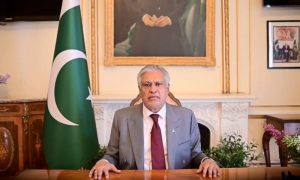
Pakistan’s Deputy Prime Minister and Foreign Minister Ishaq Dar last week stressed the need for all parties to the Middle East conflict to uphold the ceasefire agreement.
On June 18, Prime Minister Shehbaz Sharif, President Donald Trump and Iranian President Masoud Pezeshkian signed the Islamabad Memorandum of Understanding to end hostilities and launch further negotiations.
On June 21, Pakistan and Qatar mediated the high-level US-Iran talks in Switzerland.
The first round of Pakistan and Qatar mediated US-Iran talks, led by US Vice President JD Vance and Iran’s Parliament Speaker Mohammad Baqer Ghalibaf, was held in Switzerland a week ago, and Washington waived sanctions on Tehran.
After the talks, Pakistan and Qatar announced significant progress in diplomatic efforts between the US and Iran following the conclusion of the first round of high-level talks in Switzerland.