


Key Points
- EU–Taliban normalisation risk
- Deportations end urged
- Brussels talks draw backlash
- Afghan rights under threat
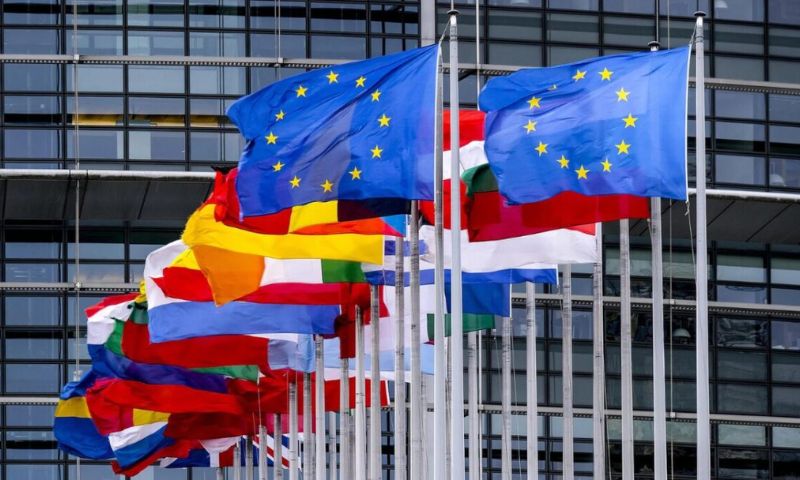
ISLAMABAD: Dozens of Afghan and international civil society and human rights organisations have urged European Union leaders to halt any steps towards normalising relations with the Taliban.
They have warned that increased engagement risks legitimising the group’s administration and undermining protections for Afghan asylum seekers.
The warning comes amid reports that the EU has invited Taliban representatives to Brussels for discussions on the deportation of Afghan asylum seekers, which has triggered criticism from lawmakers and rights organisations across Europe.
In a joint letter issued on Thursday, 18 June, 47 organisations addressed senior EU officials, including European Commission President Ursula von der Leyen, European Council President António Costa, EU foreign policy chief Kaja Kallas, and EU Commissioner for Internal Affairs and Migration Magnus Brunner.
The signatories said any cooperation with the Taliban on migration management or returns of Afghan nationals would carry serious human rights implications and could amount to indirect legitimisation of an administration accused of widespread abuses.
They said the situation in Afghanistan remains marked by extrajudicial killings, enforced disappearances, torture, and the systematic repression of women and girls, alongside a deepening humanitarian crisis.
The organisations also criticised the framing of engagement with the Taliban as “technical-level” contact by some EU member states, including Germany, arguing that such terminology conceals the political and humanitarian consequences of interaction with the group.
They warned that even limited cooperation on deportations or consular matters could normalise Taliban authority and weaken international pressure over human rights violations, including what they described as gender-based persecution.
The letter further criticised a recent initiative by 20 European countries seeking to prioritise the return of undocumented Afghan nationals, calling it a “dangerous precedent”.
According to the signatories, broad references to “security risks” in migration policy risk reinforcing discriminatory narratives against Afghan men and contributing to stigma and hate speech, in addition to undermining the principle of non-refoulement under international protection law.
They also raised concern over the transfer of Afghan consular services in countries such as Germany and Norway to Taliban-linked representatives, warning that such arrangements could expose sensitive personal data of asylum seekers, particularly former officials and human rights defenders, to potential reprisals.
The organisations said many Afghan victims of persecution, especially women and girls, remain excluded from meaningful participation in international discussions on Afghanistan, weakening the legitimacy of policy responses.
They also criticised steps by some European governments to facilitate travel by Taliban officials to Europe, arguing that such engagement contradicts stated human rights commitments.
EU response to criticism on Taliban ties
Responding to criticism, Belgium’s Foreign Ministry said decisions regarding meetings and invitations are taken by European institutions rather than individual states, and that such meetings do not imply recognition of any government.
Spokesperson Laurens Soenen said Brussels may host meetings with representatives of entities not formally recognised by Belgium, adding that their presence does not amount to political endorsement.
READ ALSO: Former Afghan Legislator Urges EU to Hold Taliban Accountable for Gender Oppression
The rights groups reiterated that Afghanistan remains unsafe, citing ongoing risks of violence, repression, and severe restrictions on women and girls.
They called for an immediate halt to deportations of Afghan asylum seekers, and have urged the EU to align its policies with guidance from the UN High Commissioner for Refugees, which advises against returns to Afghanistan under current conditions.
Among the signatories are Afghanistan Watch, Afghanistan Democracy and Development Organisation, Afghan LGBT Organisation, Rawadari, AsyLex, France terre d’asile, Justice for Iran, Femena, the Civil Society and Human Rights Network, and the Afghan Refugee Experts Network in Europe.
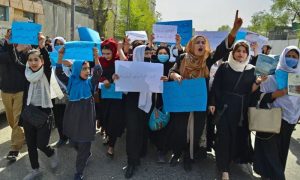
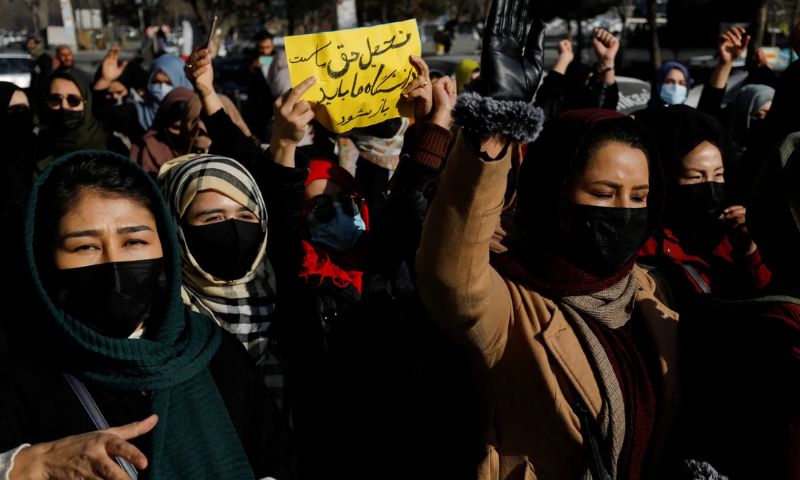
In recent weeks, Afghan activists have also staged demonstrations across 14 cities under the slogan “Education, Work and Freedom”, urging an end to restrictions on women and calling on the international community to resist normalisation of ties with the Taliban.