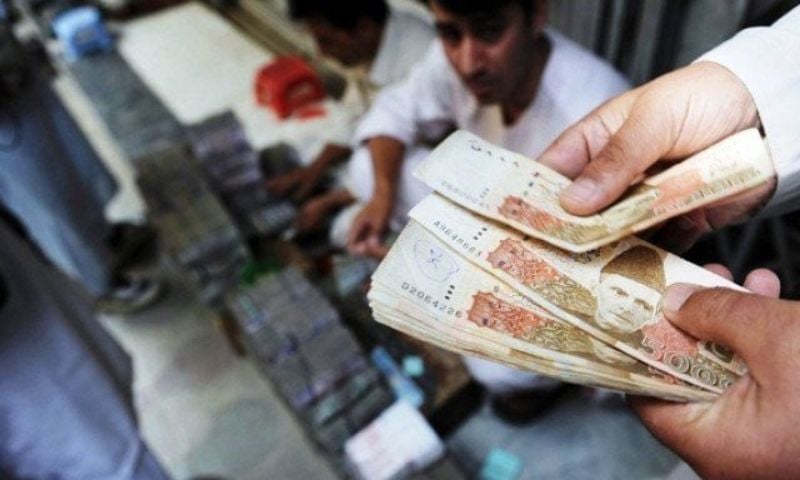
ISLAMABAD: The federal government will present the Budget 2026–27, with a proposed outlay of Rs17.1 trillion, in the National Assembly on June 11 or 12, outlining its fiscal roadmap for the upcoming financial year as it continues efforts to strengthen macroeconomic stability, improve public finances and sustain economic growth.
Finance Minister Senator Muhammad Aurangzeb is expected to present the budget after it receives approval from the federal cabinet. The financial plan will set out the government’s priorities for revenue generation, public expenditure, development spending and broader economic reforms for the fiscal year beginning July 1, 2026.
The budget is being prepared in the context of Pakistan’s ongoing engagement with the International Monetary Fund (IMF), with policymakers seeking to maintain fiscal discipline while supporting economic activity. Authorities are focusing on widening the tax base, improving revenue collection and reducing the fiscal deficit without significantly slowing growth momentum.
Officials indicate that the government’s economic strategy will prioritise investment promotion, export enhancement, industrial expansion and productivity gains across key sectors. Agriculture, information technology, manufacturing, energy and infrastructure development are expected to remain central pillars of the policy framework.
Economic observers believe the budget will attempt to balance multiple competing objectives, including fiscal consolidation, development financing and social protection. At the same time, efforts are continuing to improve the overall business environment and encourage private-sector-led growth.
The budget will outline targets for GDP growth, inflation, revenue collection and development expenditure, providing key signals about the government’s economic outlook and recovery expectations for the coming year.
Businesses, investors and salaried individuals are closely monitoring potential changes in taxation, incentives and regulatory policies, while government employees and pensioners are awaiting announcements regarding salaries and benefits.
Business groups have urged the government to reduce the cost of doing business, simplify the tax regime and introduce measures that encourage investment. Meanwhile, economists continue to stress the importance of broadening the tax base and implementing structural reforms to ensure long-term economic stability and sustainable growth.
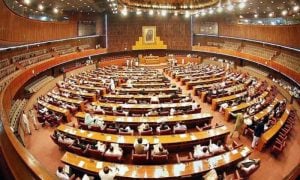
The federal budget remains one of the most significant policy documents of the year, shaping government spending priorities and influencing economic direction across households, markets and industry. Following its presentation, the National Assembly will debate the proposals before voting on the Finance Bill and associated legislative measures later in the month.
Separately, broader fiscal planning for FY27 reflects continued emphasis on macroeconomic stability under IMF-linked constraints. The budget preparations are progressing through key institutional meetings, with the National Economic Council (NEC) scheduled to approve the Public Sector Development Programme (PSDP) on June 3, followed by the release of the Economic Survey on June 4. The federal cabinet is also scheduled to meet on June 5 ahead of the budget presentation in Parliament.
According to official sources, the government is working within a framework that includes strict fiscal targets and limited space for discretionary spending. Policy parameters have largely been aligned with IMF benchmarks, restricting the scope for major tax exemptions or broad-based subsidies.
Finance Ministry sources suggest that discussions are ongoing regarding revenue mobilisation measures, development allocations and spending priorities. At the same time, tensions persist over public sector remuneration, with employee groups demanding significant salary and pension increases.
Preliminary proposals include a 7 to 10 per cent rise in salaries and pensions for government employees. However, labour representatives have rejected these figures, demanding increases of up to 100 per cent in line with inflation. The All Government Employees Grand Alliance (AGEGA) has also called for a minimum monthly wage and pension of Rs50,000.
Employee unions have warned of protests, including demonstrations outside the Ministry of Finance and Parliament on budget day, if their demands are not addressed. Government officials, however, maintain that any relief measures must remain consistent with IMF programme constraints.
Adviser to the Prime Minister on Political and Public Affairs Rana Sanaullah has said the government is considering broad-based relief for various segments of society, particularly salaried individuals, while maintaining fiscal discipline. He added that a comprehensive strategy is being developed to cushion the impact of inflation on vulnerable groups.
Finance Minister Muhammad Aurangzeb has reiterated that the budget aims to strike a balance between public relief and macroeconomic stability, while continuing structural reforms and strengthening revenue generation.
Research assessments by financial institutions suggest that FY27 budget planning is likely to avoid large-scale populist measures, instead reinforcing fiscal consolidation under IMF oversight. Analysts expect a continued push towards a primary surplus for a fourth consecutive year, although sustaining it will require strong revenue performance.
The Federal Board of Revenue (FBR) is projected to be assigned a tax collection target of around Rs15.3 trillion, reflecting significant growth expectations compared to revised FY26 estimates. However, analysts caution that achieving this target may be challenging due to ongoing revenue shortfalls and a slow economic recovery.
With rising political pressure and constrained fiscal space, the FY27 budget is expected to test the government’s ability to balance reform commitments with public expectations.