


ISLAMABAD: Pakistan does not consider recent media reports attributed to the Afghan Taliban as evidence of any substantive shift in Kabul’s policy toward terrorist groups operating from Afghan soil, according to senior Pakistani security officials.
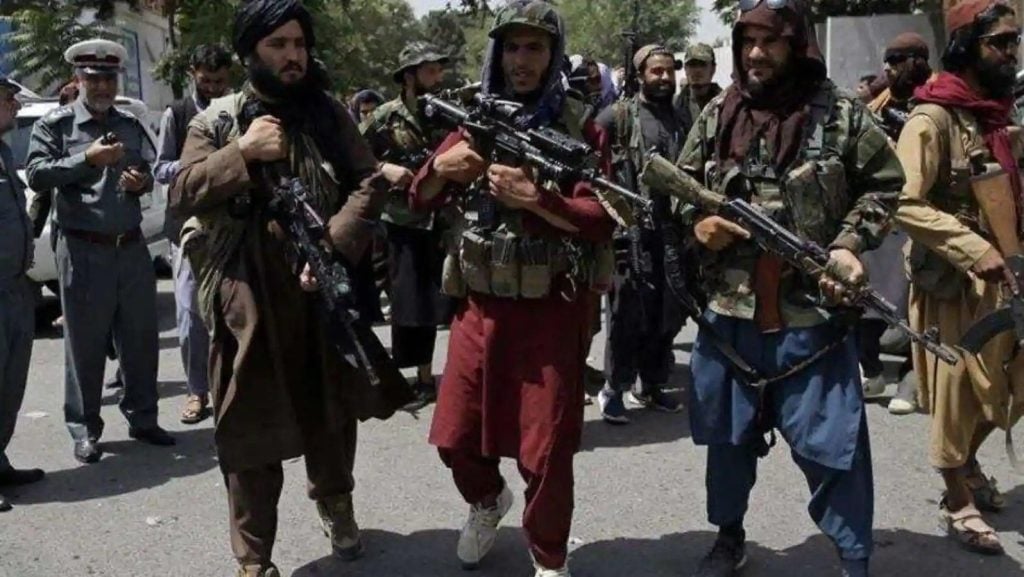
The media reports claimed that Taliban Supreme Leader Hibatullah Akhundzada had warned the banned Tehreek-e-Taliban Pakistan (TTP) to halt attacks inside Pakistan or risk losing the Taliban’s allegiance.
However, Pakistani officials say there is no credible indication that the Taliban regime has taken concrete action to dismantle militant infrastructure or curb cross-border attacks.
According to a senior Pakistani security official, Islamabad does not consider media accounts or statements as a reflection of the Taliban’s actual and real policy towards terrorists based inside Afghanistan, who are carrying out attacks against Pakistan.
“Let Kabul walk the talk, not merely issue contradictory statements through media without any tangible and transparent action to disarm or punish TTP for repeated attacks against Pakistan”, Syed Muhammad Ali, a Pakistani security analyst, said while commenting on a media report attributed to Afghan Taliban about restraining TTP.
“Moving TTP away from border areas or a mere verbal warning means nothing. TTP must be visibly and transparently disarmed, their funding must be stopped, their bases and sanctuaries must be closed down, followed by transparent punishment of those TTP terrorists involved in planning, facilitating and conducting attacks against Pakistan,” said Ali.
According to Pakistani security officials, “Pakistan has no issue with peaceful Afghan people but cannot allow Afghan territory to be used to harm Pakistan’s sovereignty and national security.’
Security officials further stated that “Pakistan has no credible evidence that the Afghan Taliban has decided to stop TTP attacks, infiltration, recruitment or facilitation.
Afghan nationals continue to join and participate in terrorist networks. Suicide bombers and fighters still use routes from Afghanistan, while weapons left behind after the foreign withdrawal continue to reach Pakistan through illicit channels and are used by TTP and BLA-linked networks.
“As of today, attacks continue, infiltrations continue, and facilitation continues.”
Security officials raise serious questions about the contradictions in the Afghan Taliban’s stance towards TTP.
“For months, the Taliban regime has claimed that Afghan territory is not being used by any group against Pakistan. Now the recent story says the Taliban leadership has warned TTP not to attack Pakistan. Both cannot be true at the same time. If TTP was never operating from Afghan soil, why was a warning needed? Denial and warning do not go together,” one of the officials said.
Security officials also expressed dismay at the repeated violation of solemn pledges by the Afghan Taliban towards regional peace and security, which the militant organisation has not kept, despite their claim to represent a religious ideology.
“The Taliban regime has repeatedly failed to honour commitments made in Doha, Qatar, Mecca and other places”, the officials said.
“Taliban also violated an understanding signed in the UAE in which the Taliban side made commitments regarding TTP, including de-weaponisation, relocation and de-funding. Even those commitments were not fulfilled.”
“In that context, expecting Pakistan to take an unattributed story seriously without action would be unrealistic. We have had written and verbal commitments before. They were not implemented,” the senior security official warned.
“Pakistan cannot ignore the Taliban’s engagement with India, hostile public threats and anti-Pakistan rhetoric. If the Taliban regime is serious about better ties with Pakistan, it must stop facilitating anti-Pakistan and destabilising elements and must not allow Afghanistan to remain a proxy to destabilise Pakistan and the region,” the officials added.
Pakistani security officials also expressed concern over what they described as growing anti-Pakistan narratives and militant facilitation networks operating from Afghan territory.
They stressed that Islamabad’s concerns were directed at the conduct of the Taliban regime rather than the Afghan people.
“Pakistan sees a larger hostile eco-system being developed in Afghanistan by India, which includes revisionist maps of ‘Greater Afghanistan’, anti-Pakistan hatred-based narratives, targeted social media campaigns, fake news against Pakistan’s political and military leadership, operational sheltering of TTP and logistical space for BLA-linked networks,” Pakistani security officials said.
“In this environment, mere media statements amount to nothing.”
Officials stressed that Pakistan’s concerns were directed at the conduct of the Taliban regime rather than the Afghan people.
“Pakistan and Afghanistan are neighbours with deep historical, religious, cultural and people-to-people ties. Pakistan hosted millions of Afghan refugees for decades. Pakistan has no quarrel with the peaceful Afghan people,” the senior security official said.
“The problem is the Taliban regime’s active anti-Pakistan conduct and its deliberate failure to stop TTP and BLA-linked attacks from Afghan soil. Pakistan wants good relations, but not at the cost of Pakistani lives.”
“Good neighbourly relations cannot come at the cost of the safety and security of Pakistani citizens,” the senior security official concluded.