
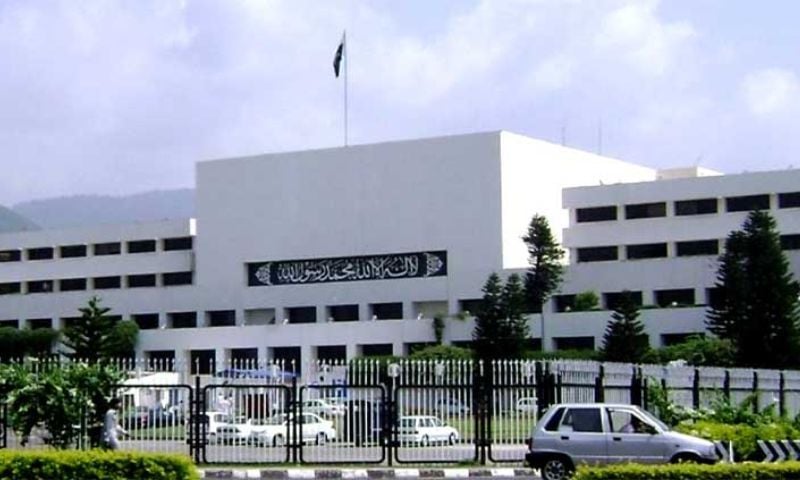
ISLAMABAD: The National Assembly of Pakistan has launched its first artificial intelligence-enabled parliamentary system, marking a significant step towards a fully paperless legislature aimed at improving efficiency, transparency and administrative speed.
The initiative was formally highlighted on Tuesday during a soft launch ceremony presided over by Speaker of the National Assembly Sardar Ayaz Sadiq, who described the integration of AI into parliamentary functions as a necessity in line with modern governance practices.
Speaking on the occasion, the Speaker said digital transformation would help eliminate delays caused by manual file processing and significantly enhance the speed and transparency of legislative work. He added that lawmakers had shown strong interest in adopting new technologies to support parliamentary proceedings.
The system marks the beginning of a phased transition towards a paperless working environment in the National Assembly of Pakistan, including the gradual digitisation of key documents such as the federal budget. Officials said the reforms aim to streamline workflow and improve institutional responsiveness.
Speaker Sadiq praised the Ministry of Information Technology and the National Information Technology Board (NITB) for their technical support, calling their role in digitising state institutions “commendable”. He also announced that funding had been allocated for the establishment of a modern data centre within the National Assembly premises.
According to parliamentary officials, AI tools will assist lawmakers in legislative drafting, research, and procedural support, while staff of the Assembly’s IT directorate are being trained in collaboration with the Ministry of IT and NITB to strengthen technical capacity.
The Speaker further noted that the Assembly had already conducted its first paperless sitting a day earlier, describing it as a historic milestone in Pakistan’s parliamentary evolution and a step towards long-term digital governance.