Key Points
- Rights groups warn of escalating crackdown on media freedom in Afghanistan
- Afghanistan ranked among world’s worst countries for press freedom in 2026
KABUL: The United Nations Assistance Mission in Afghanistan (UNAMA) has expressed serious concern over the detention of at least three journalists by Taliban authorities and called for immediate clarification regarding the legal basis of their arrests.
In a statement issued on Thursday, UNAMA said it was deeply troubled by reports surrounding the arrests, including allegations of assaults on journalists and the confiscation of property during search operations carried out by Taliban personnel.
UNAMA expresses serious concern over the detention of at least three journalists by #Afghanistan’s de facto authorities.
Statement: https://t.co/M5ha0Gm3F5 pic.twitter.com/P3pI7PlzgV— UNAMA News (@UNAMAnews) May 14, 2026
The UN mission urged the Taliban administration to disclose the charges against the detained media workers and ensure that all legal proceedings comply with international human rights standards.
“A free, independent, and safe press is essential for transparency, accountability, and the well-being of Afghan society,” UNAMA said, stressing that journalists must be allowed to perform their duties without fear of intimidation, harassment or reprisals.
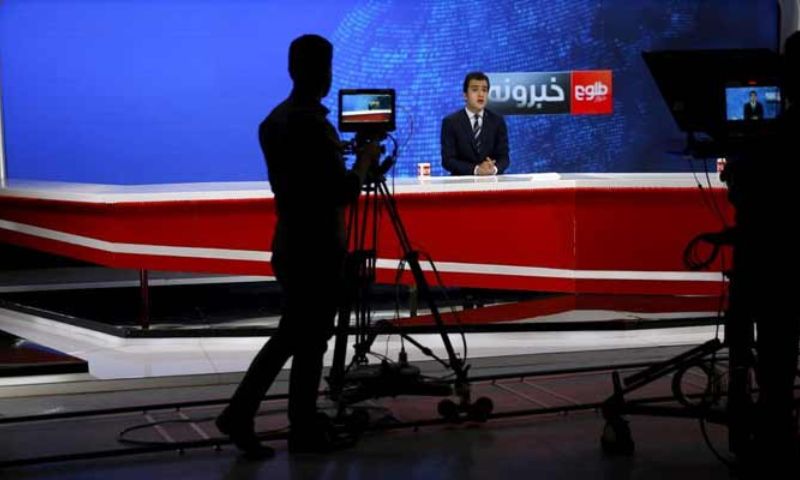
Although UNAMA did not publicly identify the detained journalists, the statement came after the arrests of Imran Danish and Mansoor Niazi, both affiliated with TOLOnews, along with Ahmad Jawed Niazi, editor of the Kabul-based Paigard News Agency.
The Taliban’s Ministry of Information and Culture confirmed the detention of the two TOLOnews journalists, stating only that their cases were under investigation. Authorities, however, did not provide details regarding the allegations or possible legal charges against them.
According to local reports, Taliban intelligence personnel also conducted a raid on the Kabul offices of Moby Group, the parent company of TOLOnews. Sources cited by KabulNow claimed that dozens of armed Taliban members surrounded the compound for several hours, interrogated staff and inspected employees’ mobile phones during the operation.
The arrests have sparked strong condemnation from international rights organisations and media advocacy groups, which say the incidents reflect growing restrictions on independent journalism in Afghanistan.
Amnesty International earlier described the detentions as cases of “arbitrary detention and enforced disappearance” and urged Taliban authorities to immediately clarify the journalists’ whereabouts and allow them access to their families and legal representatives.
The organisation said the incidents formed part of an ongoing pattern of intimidation, censorship and reprisals targeting Afghan journalists and media workers since the Taliban returned to power in August 2021.
Amnesty further called for the immediate release of the detained journalists unless they are formally charged with internationally recognised criminal offences and granted fair trials in accordance with international legal standards.
The media climate in Afghanistan has deteriorated significantly over the past several years, with journalists frequently reporting arrests, interrogations, threats and pressure linked to their reporting activities, online commentary or alleged connections with Afghan media outlets operating in exile.
According to the Afghan Journalists’ Committee, at least 150 violations of press freedom and incidents involving violence against journalists have been documented since May 2025. These include 127 threats and 20 arrests involving media workers across the country.
Meanwhile, Reporters Without Borders ranked Afghanistan 175th out of 180 countries in its 2026 World Press Freedom Index, placing the country among the lowest-ranked nations globally for media freedom.
Press freedom advocates warn that increasing restrictions imposed by the Taliban administration continue to severely undermine independent reporting and limit access to reliable information for the Afghan public.