ISLAMABAD: Security analysts on Tuesday accused the Afghan Taliban regime of falsely claiming that Pakistan targeted Sayed Jamaluddin Afghani University in Kunar province, and said that the United Nations Assistance Mission in Afghanistan (UNAMA) amplified false reports about casualties.
Following the Taliban’s blatant and false claims, UNAMA, as usual, blindly followed the Taliban regime’s narratives, amplifying false allegations of civilian casualties.
This propaganda narrative is aimed at portraying Pakistan as the aggressor, shielding the Taliban’s own role in cross-border terrorism and instability, security analysts said.
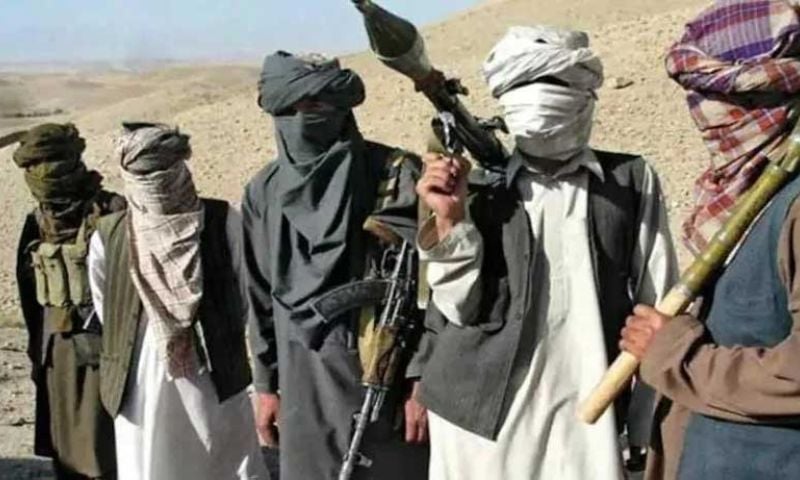
Analysts said that despite the ceasefire, Pakistan’s restraint and talks in Urumqi, the Afghan Taliban have continued unprovoked cross-border firing and escalation.
Afghan Taliban have targeted civilian areas in Bajaur, South Waziristan and Chaman with mortar shells multiple times, damaging homes and endangering non-combatants, security analysts said.
Security analysts recounted various attacks as evidence of the Taliban regime’s involvement in cross-border terrorism.
On April 27, the Taliban regime fired mortar shells from Kunar targeting Pakistan’s civilian population. The Taliban mortar shells injured a school student in the Bajaur district of Khyber Pakhtunkhwa.
Similarly, on April 28, a civilian, identified as Rafiullah, was martyred, and another, Naqeebullah, was seriously injured in the Muhammad Hassan village of Chaman after a mortar hit a residential home.
Multiple shells fired by the Taliban regime landed in Salarzai, Charmang and South Waziristan, which caused injuries to several civilians besides damaging infrastructure.
On a daily basis, Taliban use artillery, mortars, machine guns, 12.7 mm AA guns and sniper fire against Pakistan’s border and security forces, targeting border security apparatus and attempting fence breaches, security analysts said.
Meanwhile, the banned Tehrik-i-Taliban Pakistan (TTP) terrorists’ cross-border infiltration from Afghan soil under Taliban patronage continues unabated.
TTP terrorists Rasool Muhammad alias Hamas (who died during snowfall along the Bajaur–Kunar border on April 9 and Abdullah Jan alias Abu Dujana (killed during an operation on April 11) were identified as Afghan nationals from Paktia province, which confirms cross-border terror linkage and Afghan origin of terrorists.
When escalation becomes unbearable, Pakistan is forced to respond in self-defence, targeting only hostile threats, security analysts maintained.
Taliban intentionally place artillery guns and mortars in the civilian population to use civilians as human shields.
According to security analysts, Pakistan targets artillery and other locations in Afghanistan from where the Taliban fire.
Taliban and TTP terrorists deliberately operate from civilian areas, using homes and populated zones as firing positions and shields.
When targeted, they exploit civilian casualty narratives to construct victimhood and deflect responsibility, security analysts said.
Security analysts said that civilian suffering is a direct consequence of the Taliban’s unprovoked firing and terrorist strategy, not Pakistan’s actions.
The Taliban regime continues to behave as a facilitator of terrorism rather than a responsible authority, enabling cross-border terrorism.
Security analysts questioned why UNAMA ignores civilian casualties caused by Afghan cross-border shelling, including Rafiullah and an injured child in Bajaur.
Why is UNAMA operating in Afghanistan when an armed group has taken over Afghanistan? What is the moral and legal justification of a UN mission in Afghanistan? Does UN want to normalise this practice, security analysts raised serious questions.
Security analysts questioned whether UNAMA officials travel to the locations claimed by the Taliban Regime to have been targeted by Pakistan. Or they just parrot out the Taliban narrative, instead of ensuring independent, balanced and ground-verified reporting on terrorism and cross-border aggression.
Reality remains, Taliban strategy is clear: attack from civilian areas, provoke a response, then weaponise civilian casualty claims globally, according to security analysts.
According to analysts, Pakistan continues to act with restraint under international law, while the Taliban shelters terrorists, endangers civilians and manipulates narratives.