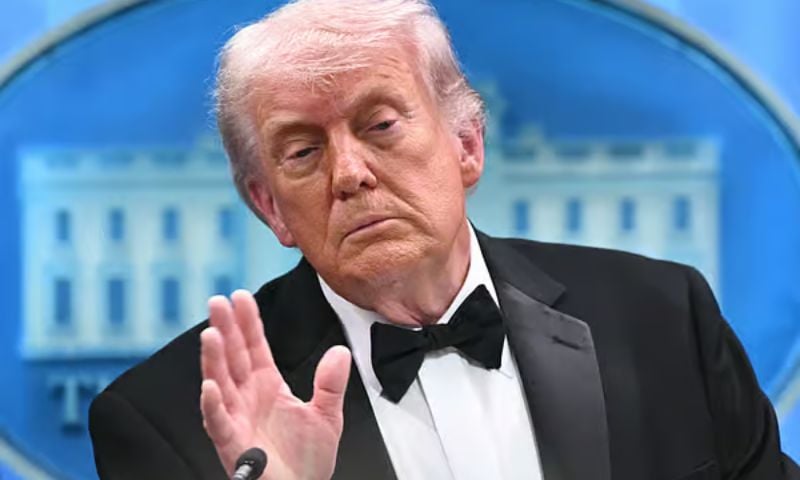
WASHINGTON: US President Donald Trump has expressed dissatisfaction with Iran’s latest proposal aimed at ending the ongoing two-month conflict, though diplomatic contacts between the two sides continue, keeping prospects for dialogue alive.
According to a US official familiar with the discussions, the proposal has added complexity to efforts aimed at resolving the crisis, which has disrupted global energy supplies and heightened geopolitical tensions, reports Reuters.
The Iranian proposal, conveyed through diplomatic channels, suggests postponing discussions on Tehran’s nuclear programme until after the cessation of hostilities and the resolution of maritime disputes in the Gulf.
However, Washington has made it clear that any meaningful negotiations must include the nuclear issue from the outset — a position that remains a key sticking point between the two sides.
According to Reuters, a senior US official, speaking on condition of anonymity following a high-level meeting on Monday, confirmed that President Trump was particularly dissatisfied with the sequencing proposed by Iran.
The White House reiterated its stance, with spokeswoman Olivia Wales stating that the United States “will not negotiate through the press” and remains firm on its defined red lines.
The current impasse underscores the collapse of earlier diplomatic frameworks, notably the 2015 nuclear agreement, formally known as the Joint Comprehensive Plan of Action (JCPOA), from which the US withdrew during Trump’s first term.
That agreement had imposed strict limitations on Iran’s nuclear activities in exchange for sanctions relief. Meanwhile, Iran’s Foreign Minister, Abbas Araghchi, has intensified regional diplomacy, traveling between Islamabad, Oman, and Moscow.
In Russia, he met President Vladimir Putin, securing expressions of support from a longstanding ally.
Oil markets react to ongoing disruption
Despite ongoing diplomatic efforts, global oil markets are once again under pressure. Prices have continued to rise amid ongoing disruptions in shipping through the strategically vital Strait of Hormuz.
Market analysts note that physical supply constraints, rather than political rhetoric, are now driving price movements. Recent data indicate that at least six tankers carrying Iranian crude have been turned back due to a US naval blockade.
Before the conflict, approximately 125 to 140 vessels transited the strait daily; that number has now dropped dramatically, with only a handful of ships passing through in the past 24 hours — none carrying oil destined for global markets.
Iran has strongly condemned US actions at sea, accusing Washington of effectively legitimising “piracy” by intercepting and redirecting oil shipments.
Deep divisions over path to negotiations
According to Iranian officials, the proposal presented over the weekend outlines a phased negotiation process. The initial stage would involve a complete cessation of hostilities and assurances that the US would not resume military action.
This would be followed by discussions on lifting the naval blockade and restoring free navigation in the Gulf, with Iran seeking to reassert control over maritime routes.
Only after these steps, Iranian sources suggest, would broader issues – including the nuclear programme – be addressed. Tehran continues to insist on international recognition of its right to enrich uranium for civilian purposes.
However, US officials view this sequencing as unacceptable, maintaining that nuclear concerns are central to any agreement and cannot be deferred.
Mounting pressure on Washington
Domestically, President Trump is facing growing pressure as approval ratings decline amid questions over the war’s objectives and duration.
Iranian officials have claimed that Washington initiated calls for negotiations after failing to achieve its strategic goals – a claim not officially acknowledged by the US administration.
With both sides still firmly holding their positions and limited common ground so far, a quick diplomatic breakthrough appears unlikely, but continued engagement leaves room for gradual progress and potential dialogue.