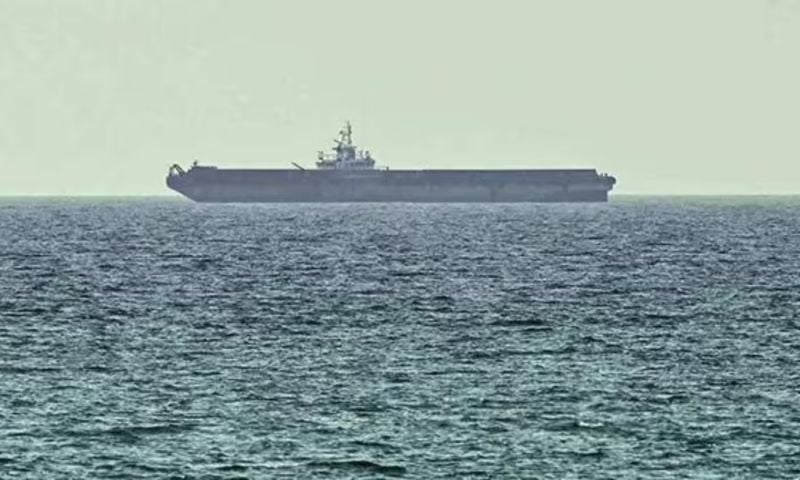
WASHINGTON: US President Donald Trump said on Sunday that the US Navy intercepted and seized an Iranian-flagged cargo vessel near the Strait of Hormuz after it attempted to evade a naval blockade.
In a post on his Truth Social platform, Trump said the vessel, identified as Touska, was stopped in the Gulf of Oman after ignoring warnings from a US Navy guided-missile destroyer.
Trump said the USS Spruance intercepted the ship and ordered it to stop.
“The Iranian crew refused to listen, so our Navy ship stopped them right in their tracks by blowing a hole in the engineroom,” he wrote, adding that US Marines now had “full custody” of the vessel.
He said the ship, approximately 900 feet long, was under US Treasury sanctions due to “prior history of illegal activity” and that personnel were inspecting its cargo.
There was no immediate comment from Iran.
The incident comes amid US naval blockade of Iranian ports.
Trump said the seizure followed attempts by the vessel to bypass the blockade.
He also accused Iran of earlier violations of a ceasefire arrangement, including alleged firing on commercial ships.
Iranian Foreign Minister Abbas Araghchi had said on Friday that the Strait of Hormuz remained “completely open” for commercial shipping during a ceasefire period.
However, Iranian sources cited by state media later said that restrictions were being reimposed in response to US actions.
A spokesperson for the Islamic Revolutionary Guard Corps said Iran was tightening control over the waterway due to an ongoing US blockade.
Despite tensions, shipping activity has continued in the region. Travel operator TUI said two cruise ships, Mein Schiff 4 and Mein Schiff 5, successfully passed through the Strait of Hormuz.
In a statement, the company said the transit was carried out “in a controlled manner and with careful consideration of the security situation”, following coordination with relevant authorities.
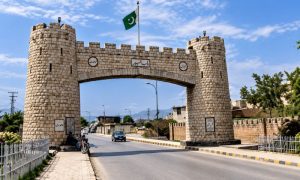
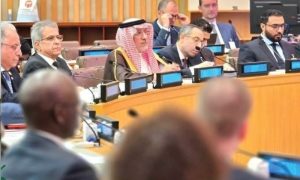
Meanwhile, US Vice President JD Vance is set to lead a US delegation to Islamabad this week for further negotiations with Iran, alongside special envoy Steve Witkoff and presidential adviser Jared Kushner, according to White House officials.
The talks follow the first round of talks in Islamabad on April 11 that ended without a final agreement but paved the way for continued negotiations to reach a final agreement and end the conflict.