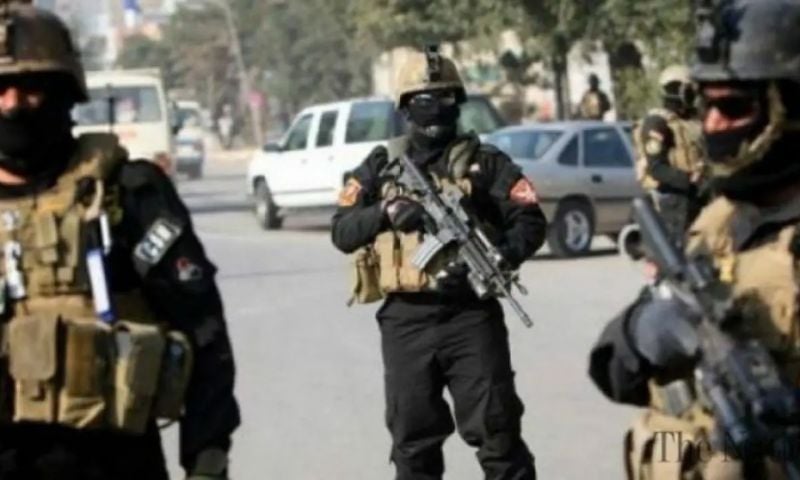
ISLAMABAD: Pakistan’s counterterrorism officials have said terrorist groups are increasingly exploiting women in Balochistan through psychological manipulation, coercion and organised recruitment networks, describing it as a concerning shift in insurgent tactics.
Officials from the Balochistan Counter Terrorism Department (CTD) and the interior ministry said women are being targeted through social and emotional vulnerabilities, with cases highlighting both exploitation within families and structured militant involvement.
In one case cited by officials, a woman identified as Raheema was allegedly abused by her husband, who used her mobile phone number to coordinate with terrorists, including a female suicide bomber, before abandoning her.
Authorities said another woman, Zarina Rafiq, who was later involved in a suicide attack, had stayed at the same residence, with the husband allegedly facilitating her movement to a terrorist training camp in Afghanistan.
Officials said the case pointed to cross-border dimensions of terrorism, alleging that Afghan territory was being used to train and support individuals involved in attacks inside Pakistan.
Organised narratives
They further said that women were being influenced through organised narratives, exposing that groups such as the Baloch Yakjehti Committee (BYC) promote anti-state sentiment, while terrorist groups including the Balochistan Liberation Army (BLA) and Balochistan Liberation Front (BLF) handle recruitment, training and operational deployment.
According to officials, women who carry out attacks are later portrayed as symbols of resistance, contributing to further radicalisation and recruitment efforts.
However, they said that in cases where attacks fail and individuals are arrested, terrorist groups often distance themselves from those involved.
Authorities described such practices as contrary to Baloch cultural and religious values.
Officials said efforts were ongoing to dismantle these networks and prevent further recruitment, while also addressing the underlying factors that leave individuals vulnerable to manipulation.