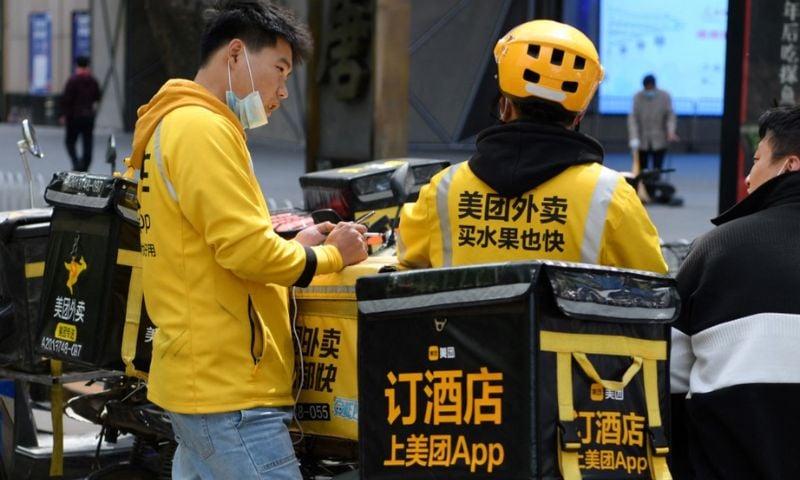
BEIJING: Chinese regulators have imposed fines totalling 3.6 billion yuan (approximately $527 million) on seven leading e-commerce and food delivery platforms for serious food safety violations, in one of the most significant crackdowns on the sector in recent years.
The penalties were announced on Friday by the State Administration for Market Regulation (SAMR), which found that major platforms—including Alibaba Group’s Taobao, JD.com, Meituan, Pinduoduo, and Douyin—had failed to adequately verify the credentials of food vendors operating on their apps.
According to the regulator, the companies allowed so-called “ghost deliveries” from unverified or non-compliant vendors, raising concerns over hygiene, traceability, and consumer protection. These “ghost shops” typically lack physical premises and often operate using rented or falsified business licences, enabling them to bypass standard food safety requirements while presenting themselves as legitimate outlets online.
SAMR stated that the platforms had not fulfilled their legal obligations to properly vet food businesses before allowing them access to their networks. Investigators also found that some platforms had entered into arrangements with third-party order-transfer services, enabling orders placed with one vendor to be fulfilled by another without the customer’s knowledge—further undermining transparency and trust.
In addition to the corporate fines, legal representatives of the companies were collectively penalised 19.7 million yuan ($2.9 million), underscoring the regulator’s intent to hold individuals accountable as well as institutions, according to AFP.
Authorities said the companies had breached both food safety and e-commerce laws. As part of corrective measures, the platforms have been ordered to remove all “ghost shops” and cease cooperation with order-transfer intermediaries.
They also face temporary restrictions on onboarding new bakery vendors, with bans ranging from three to nine months, indicating particular regulatory concern over malpractice in the bakery segment.
The crackdown reflects Beijing’s growing focus on tightening oversight of its vast digital marketplace, especially in sectors directly impacting public health. Regulators have emphasised that platforms must strengthen compliance mechanisms and ensure greater transparency to safeguard consumer rights.