Key Points
- Russian authorities approve 16 Pakistani seafood processing plants for export registration
- Initial export potential estimated at around $300 million from Russia alone
- Move enables indirect access to Eurasian Economic Union markets, including Central Asia
- Pakistan’s total seafood exports currently around $500 million, projected to reach $800 million
- Export routes to include sea, air, and cost-efficient overland corridors via Central Asia
ISLAMABAD: Pakistan has secured access to the Russian seafood market after Russia approved 16 Pakistani seafood processing plants for export registration, marking a significant milestone in diversified export destinations and expanding trade into Eurasia.
Federal Minister for Maritime Affairs Muhammad Junaid Anwar Chaudhry said the approval enables Pakistan’s first structured seafood shipments to Russia and opens broader access to regional markets beyond traditional trading partners.
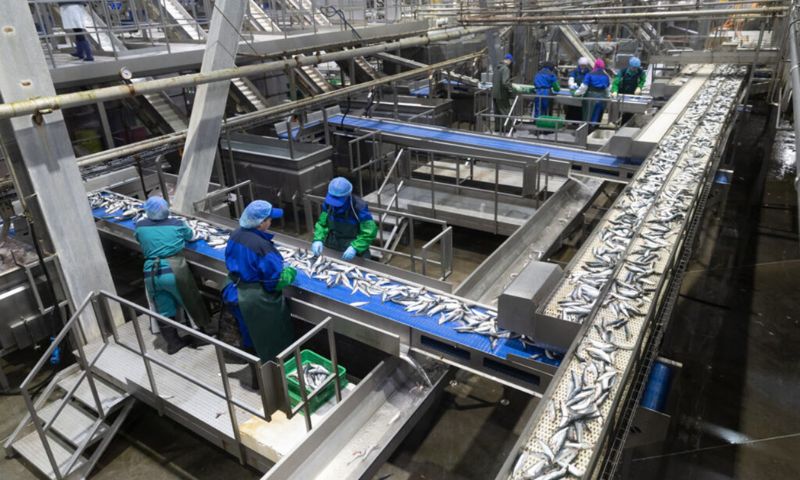
He said Russian authorities have cleared 16 Pakistani seafood processing facilities, describing the development as a landmark achievement for the Marine Fisheries Department. It was made possible through sustained technical and diplomatic engagement, he said. The move is expected to generate an initial export potential of about $300 million, he added.
Pakistan’s seafood exports currently stand at around $500 million annually, with projections indicating growth to $800 million in the coming years if new markets are successfully developed. The Russia entry is part of a broader strategy to reduce reliance on established destinations, including China, the Gulf region, Southeast Asia, Europe, and the United States.
Officials said the development also provides indirect access to the Eurasian Economic Union, opening opportunities in Central Asian countries such as Kazakhstan, Uzbekistan, and Turkmenistan, where rising urban populations and demand for protein-rich diets are driving seafood consumption.
Exports are expected to move through sea, air, and land routes, including cost-efficient overland corridors via Central Asia. Pakistan’s warm-water seafood species, including shrimp and ribbon fish, are seen as filling supply gaps in these emerging markets, supported by major ports including Karachi and Gwadar.
The minister said Pakistan’s geographic position, port infrastructure and compliance with international standards strengthen its export competitiveness, adding that sustained improvements in logistics and policy support are essential to maintain long-term growth.
The plant approvals follow a related development: Russia recently lifted restrictions on Pakistani tomato imports, allowing initially limited shipments to resume after a temporary ban, signalling a gradual easing in agri-trade barriers between the two countries.