BEIJING: China has strongly criticised the decision by the United States to impose a naval blockade on Iranian ports, describing the move as “dangerous and irresponsible” and cautioning that it could further destabilise an already fragile ceasefire in the Gulf region.
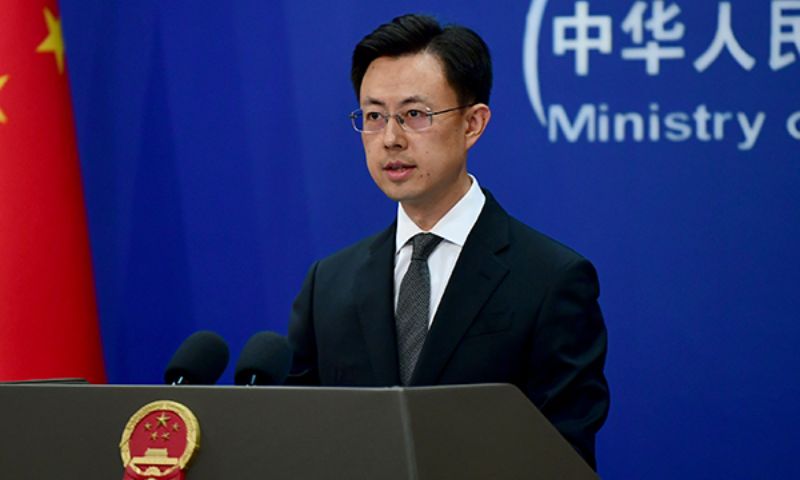
In a statement issued on Tuesday in Beijing, Chinese Foreign Ministry spokesperson Guo Jiakun said the US action risked intensifying tensions and undermining ongoing efforts to maintain peace following recent hostilities between Washington and Tehran.
“This is dangerous and irresponsible behaviour,” Guo said, adding that increased US military deployments in the region would only deepen instability and weaken the ceasefire arrangement.
Blockade raises stakes in Strait of Hormuz crisis
The US blockade reportedly came into effect at 1400 GMT on Monday, shortly after a temporary ceasefire agreement between the United States and Iran following weeks of heightened confrontation.
At the centre of the crisis is the Strait of Hormuz, one of the world’s most critical energy corridors, through which nearly one-fifth of global oil supplies pass. The waterway has become increasingly contested amid military manoeuvres and restrictions on maritime traffic.
Reports suggest that Iran had already limited passage through the strait, allowing only vessels from selected countries to transit, while the US move is seen as an effort to tighten pressure on Tehran and disrupt its economic lifelines.
China urges restraint and renewed dialogue
Beijing has called on all parties to fully respect the ceasefire and return to diplomatic negotiations, stressing that only sustained dialogue can prevent further escalation.
Guo urged “practical steps” to de-escalate tensions and restore normal maritime navigation through the strait, warning that continued confrontation could have serious implications for global energy security and international trade.
Chinese President Xi Jinping also reiterated the importance of respecting national sovereignty and stability in the Middle East during recent diplomatic discussions in Beijing, signalling that China would continue to support peace efforts in the region.
Pakistan’s diplomatic role highlighted
Amid rising tensions, Pakistan has reportedly continued its engagement in facilitating diplomatic communication between the two sides. Islamabad has positioned itself as a potential mediator, calling for restraint and renewed negotiations to prevent further escalation.
Trade tensions deepen geopolitical strain
The situation has been further complicated by rising economic friction between Washington and Beijing, with threats of additional tariffs on Chinese goods adding pressure to already strained relations.
China has rejected allegations that it is supplying military assistance to Iran and warned of ‘resolute countermeasures’ in response to any new US trade restrictions.”
Iran denounces blockade
Iran has condemned the US naval action as a violation of its sovereignty, describing it as a “grave breach” of international norms. Tehran has warned that continued pressure could further destabilise the region and disrupt global energy flows.
Global concern over energy security
With maritime access to the Strait of Hormuz increasingly uncertain, analysts warn that the confrontation could have far-reaching consequences for global oil markets and shipping stability.
More than 3,300 deaths have reportedly been recorded since the wider conflict began on 28 February, intensifying international calls for a diplomatic breakthrough and long-term ceasefire enforcement.