VATICAN CITY: Pope Leo XIV on Monday firmly declined to engage in a public confrontation with Donald Trump, even as tensions between the Catholic leader and the US president escalate over the ongoing Iran war, according to international media reports.
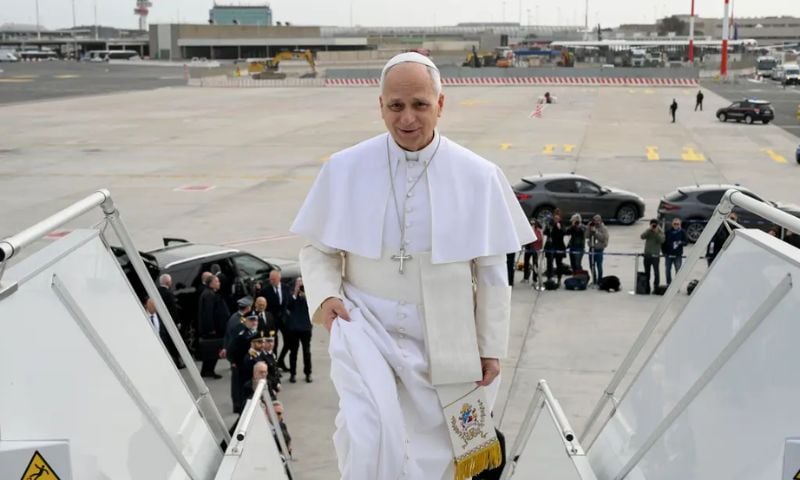
Speaking during a papal flight at the start of a tour of Africa, the pontiff said he had “no intention” of entering into a debate with Trump, emphasising instead the Church’s commitment to peace, dialogue and diplomacy.
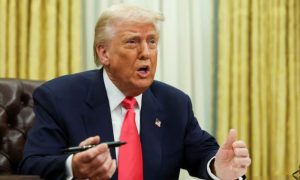
The remarks come after a sharp exchange in which Trump criticised the Chicago-born pope in unusually personal terms, calling him “weak on crime” and “terrible for foreign policy” in a social media post.
Pope’s measured response
Despite the criticism, Pope Leo has adopted a restrained tone. While refusing direct confrontation, he has made clear that he will not retreat from his stance on war. In recent comments, the pontiff stressed that he does not “fear” political backlash and will continue to speak out against violence and conflict.
His position has remained consistent: urging world leaders to prioritise negotiations and warning against what he has described as a dangerous “delusion of omnipotence” driving global conflicts.
The Vatican has repeatedly framed the crisis not just as a geopolitical issue but as a moral one, with the Pope insisting that war cannot be justified on religious or humanitarian grounds. In earlier remarks, he described threats of large-scale destruction as “truly unacceptable” and called on citizens to pressure leaders to “reject war always”.
Escalating political and moral divide
The dispute is rooted in the intensifying conflict involving Iran, where US-led military actions and a naval blockade have heightened global tensions.
Pope Leo has emerged as one of the most vocal international critics of the war, denouncing both the violence itself and attempts to frame it in religious terms. He has warned that “God does not bless any conflict” and described the violence as “absurd and inhuman”.
Trump, by contrast, has defended a hardline approach, arguing that strong military pressure is necessary to secure US interests and stability in the region. His criticism of the Pope reflects a broader frustration with religious leaders intervening in political and strategic matters.
Background: an unprecedented clash
The confrontation marks a rare and highly symbolic rift between the Vatican and Washington—made more striking by the fact that both leaders are American. Pope Leo XIV, elected in 2025 as the first US-born pontiff, initially avoided direct criticism of his home country’s leadership but has recently adopted a more outspoken tone.
Historically, disagreements between popes and US presidents have occurred, but direct public criticism—especially involving two Americans—remains unusual. Analysts describe the current situation as a defining moment in the intersection of religion and global politics, highlighting contrasting visions of power, morality and international order.
Tensions had already been building over issues such as immigration and US foreign policy, with reports of unusual diplomatic friction, including a rare Vatican–Pentagon meeting earlier this year.
Wider implications
The latest exchange underscores a widening ideological divide between political authority and religious leadership on the global stage. While Trump continues to frame the conflict in strategic and national security terms, Pope Leo has positioned himself as a moral counterweight, advocating restraint, humanitarian law and dialogue.
For now, the pontiff appears determined to avoid a personal feud, even as he maintains firm opposition to the policies driving the conflict.
The episode highlights not only the deepening tensions between two influential figures but also a broader debate over the role of moral authority in shaping international politics at a time of escalating global crisis.