Key Points
- Reform aims to improve energy efficiency, reduce system stress, and enhance industrial competitiveness.
- The initiative is part of power restructuring and renewable energy integration
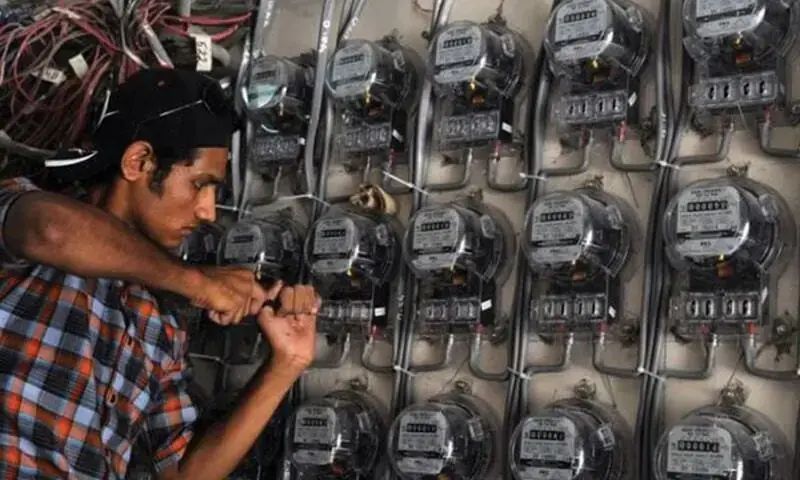
ISLAMABAD: The World Bank has expressed support for Pakistan’s plan to introduce a time-of-use electricity tariff for industrial users as part of an effort to reform the power sector and improve system efficiency.
The proposed tariff structure is designed to encourage industries to shift electricity-intensive operations to daylight hours, reducing pressure on the national grid during peak evening demand periods.
Following the success of the surplus power package, Pakistan’s energy ministry is developing the new framework in consultation with development partners.
The new package would focus on improving load management, integrating solar generation capacity, and strengthening the competitiveness of industrial electricity pricing.
The initiative is also intended to address long-standing inefficiencies in Pakistan’s power sector by flattening demand peaks that lead to higher generation costs and system instability.
A massive growth in rooftop solar and other alternative energy use has threatened the viability of Pakistan’s national grid.
Guaranteed power generation capacity payments to the independent power producers are also a hanging sword for Pakistan’s power management mechanism.
The energy ministry is introducing such initiatives to increase grid electricity consumption, chiefly by the industry and agriculture.
These packages also aim to modernise tariff structures and improve the energy sector’s sustainability.
The World Bank’s backing comes amid continued engagement with Pakistan on energy reforms, including tariff rationalisation, transmission upgrades, and measures for reducing reliance on costly generation sources.
The proposed time-of-use mechanism is expected to be part of a policy shift toward more flexible pricing models, allowing industrial consumers to benefit from lower rates during off-peak hours while incentivising grid-friendly consumption patterns.
The time-of-use also supports Pakistan’s growing renewable energy base by aligning industrial demand with daytime solar generation, potentially improving overall system efficiency and reducing the cost of import-dependent energy.
The reform is currently under consultation and is expected to be refined further before formal implementation decisions are announced.