Key Points
- Daily commuting costs surge for motorcycle users
- Office workers, students and delivery riders face mounting pressure
- Electric bikes gain attention as a lower-cost alternative
- High fuel inflation accelerates urban mobility shift
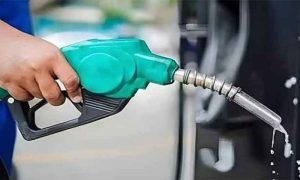
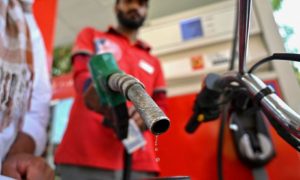
ISLAMABAD: With petrol prices in Pakistan now soared t0 Rs 458 per litre, daily commuting costs have surged sharply for millions of motorcycle users, forcing them to replace their existing autos with electric ones to offset intensifying financial pressure.
The latest increase has significantly raised transport expenses for office workers, students and delivery riders, for whom motorcycles remain the primary and most affordable mode of mobility.
Even small changes in fuel prices are now translating into noticeable increases in monthly household budgets; the latest hike has almost doubled the price in February.
The fuel shock is part of a broader surge in global energy prices driven by instability in oil supply routes, including tensions around the Strait of Hormuz, a critical chokepoint for global crude shipments.
Analysts say disruptions in Middle Eastern energy flows have tightened global supply and shifted the cost pressures to import-dependent economies such as Pakistan.
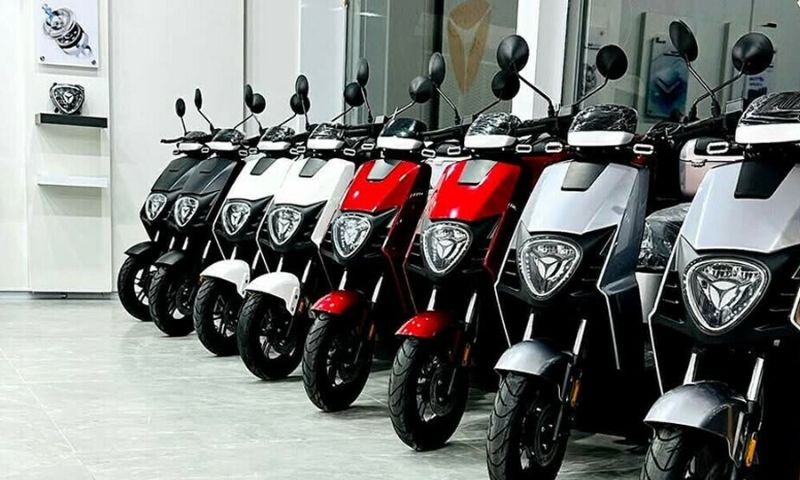
Against this backdrop, electric bikes are attracting growing interest as a lower-cost alternative for short-distance urban commuting.
Market observers report a rising shift in consumers’ attention toward electric two-wheelers, particularly among young riders, students and gig-economy workers seeking to reduce fuel dependency.
Industry stakeholders say that while adoption remains at an early stage, the economic argument for electric mobility is strengthening as petrol costs climb to record levels.
For many users, the key consideration is no longer convenience alone but long-term savings on daily transport expenditure.
However, challenges remain, including high upfront purchase costs, limited charging infrastructure and financing constraints.
Despite these barriers, dealers and analysts expect demand to grow steadily if fuel prices remain elevated.
Transport experts say the current price environment could accelerate a structural shift in urban mobility patterns, especially in densely populated cities where motorcycles dominate daily commuting.