Key Points
- Vote postponed with no new date announced
- Iran tightening control over Strait of Hormuz
- Draft allows limited defensive naval action for six months
- Russia and China remain opposed to resolution
- Energy supplies disrupted as oil and gas flows decline
GENEVA: The United Nations Security Council has postponed a scheduled vote on a Bahrain-sponsored resolution that would authorise a “defensive” multinational force to safeguard shipping through the Strait of Hormuz, a critical global energy corridor increasingly threatened by ongoing conflict.
The vote, initially set for Friday morning, was delayed with no new date announced. Diplomats cited the observance of Good Friday as the official reason, though the timing has raised questions as the holiday was already known when the vote was first placed on the agenda.
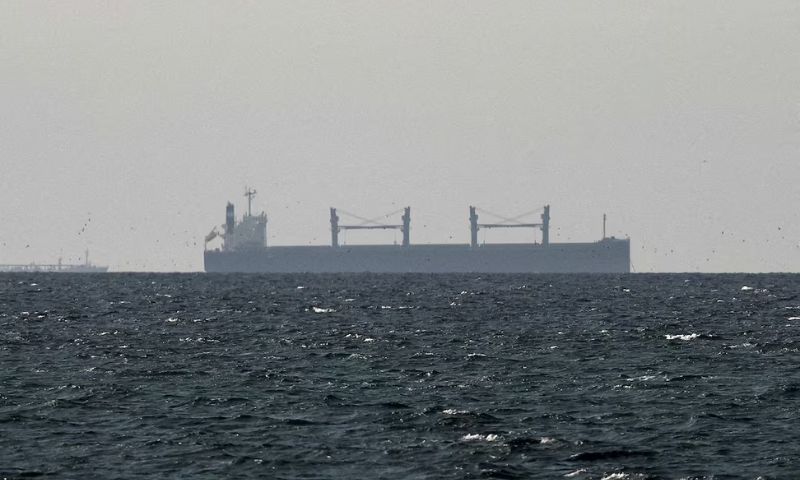
According to Reuters, the proposed resolution comes against the backdrop of escalating tensions in the Middle East, where Iran has tightened its grip on the Strait of Hormuz in response to recent US-Israeli military strikes. The move has significantly disrupted global oil and gas flows, sending energy prices higher and fuelling economic uncertainty worldwide.
Drafted by Bahrain and supported by the United States, the resolution would permit UN member states — acting individually or through voluntary naval coalitions — to employ “all necessary defensive measures” to ensure safe passage through the strait and deter attempts to obstruct international shipping. The mandate would be limited to an initial six-month period.
Efforts to secure broader backing for the resolution have led to several revisions. Notably, the latest draft avoids explicit reference to Chapter VII of the UN Charter, which authorises the use of force, and instead emphasises the strictly defensive nature of any intervention — a change seen as addressing concerns raised by France and other members.
Despite these adjustments, significant divisions remain within the Council. China has warned that authorising force could escalate the crisis further, while Russia — a close ally of Iran — has criticised what it views as a one-sided approach. Both countries hold veto power, casting doubt over the resolution’s chances of adoption.
France has called for a swift but measured response, with its UN ambassador urging the Council to consider practical steps to secure maritime routes. However, President Emmanuel Macron has expressed scepticism over the feasibility of a military solution, suggesting that diplomatic efforts should remain central.
Meanwhile, Iran has cautioned against any move it deems provocative. Foreign Minister Abbas Araghchi warned that actions taken within the Security Council framework could further inflame tensions and complicate efforts to stabilise the region.
The Strait of Hormuz, through which roughly one-fifth of the world’s oil and liquefied natural gas supplies transit, remains a vital artery for global trade. Its near closure has already had far-reaching consequences, affecting not only energy markets but also the supply of key commodities such as fertilisers.
The delay in the vote underscores the complexity of forging consensus among major powers at a time of heightened geopolitical strain, with the prospect of coordinated international action hanging in the balance.