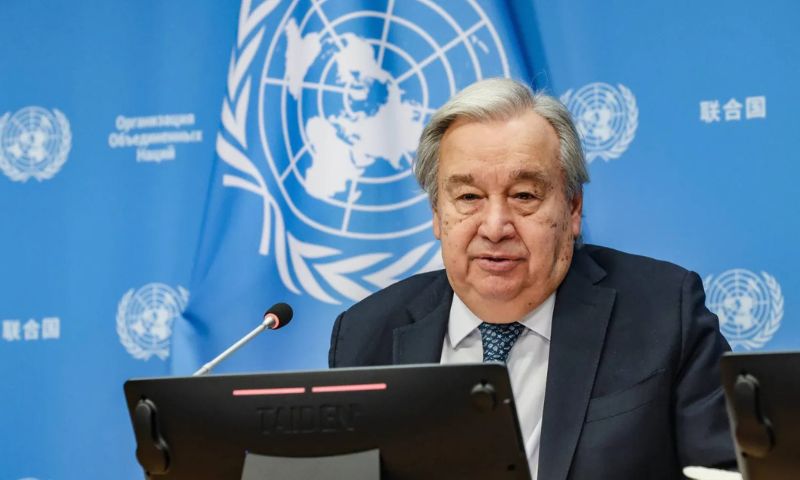
UNITED NATIONS: UN Secretary-General Antonio Guterres on Thursday called for broader support for ongoing diplomatic efforts to resolve the Middle East conflict, stressing that they must be given “space and support to succeed”.
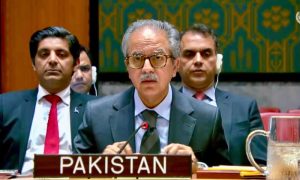
Pakistan has stepped up diplomatic engagement in recent weeks to de-escalate regional tensions and promote dialogue for peace and stability in the region.
Pakistan’s Deputy Prime Minister and Foreign Minister Ishaq Dar said Washington and Tehran had expressed confidence in Islamabad’s ability to facilitate talks aimed at ending the conflict.
Dar said Islamabad would be “honoured” to facilitate negotiations between Iran and the United States.
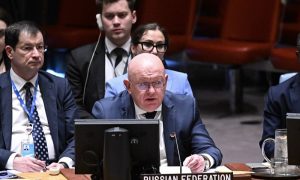
Speaking to reporters in New York, Guterres warned that the conflict, now in its second month, was deepening human suffering and raising the danger of a broader regional war with global consequences.
The UN chief said the continued escalation was fuelling indiscriminate attacks, targeting civilians and critical infrastructure, and disrupting global stability, including freedom of navigation through the Strait of Hormuz.
Guterres warned that the conflict risked spiralling into a wider war, as he called for an immediate halt to US-Israeli strikes on Iran and Iranian attacks on its neighbours.
“We are on the edge of a wider war that would engulf the Middle East with dramatic impacts around the globe,” the secretary-general told reporters in New York.
My message is clear:
To the USA & Israel:
It is high time to stop the war that is inflicting immense human suffering & triggering devastating economic consequences.
To Iran:
Stop attacking your neighbours.
Conflicts end when leaders choose dialogue over destruction.
That… pic.twitter.com/AHuS2YQG7H— António Guterres (@antonioguterres) April 2, 2026
Pakistan’s diplomatic efforts for de-escalation
Pakistan’s Prime Minister Shehbaz Sharif said on Thursday that Islamabad was making sustained diplomatic efforts at various levels to ease the Middle East conflict.
PM Sharif said Pakistan was engaging all sides to promote de-escalation.
“The flames of war in the region have not yet been extinguished; however, as a friend to all parties, Pakistan has been working tirelessly to ease tensions, engaging in talks and diplomatic efforts at various levels,” he said.
“جیسا کہ آپ جانتے ہیں کہ خطے میں جنگ اب دوسرے مہینے میں داخل ہو چکی ہے اور جو شہادتیں ہوئی ہیں، ہمیں اس پر بے حد افسوس ہے۔ اس حوالے سے ہم نے مختلف اوقات میں تعزیتی پیغامات بھی جاری کیے۔ خطے میں جنگ کے شعلے ٹھنڈے کرنے کے لیے ہم نے ایک مخلص دوست اور برادر ملک کے طور پر بھرپور کوشش… pic.twitter.com/HpsjNLlp0p
— Government of Pakistan (@GovtofPakistan) April 2, 2026
Pakistan-China joint peace place
Earlier, Pakistan’s Foreign Office spokesperson Tahir Andrabi said that a joint five-point peace initiative by Pakistan and China has received broad appreciation from across the region and beyond, with even US leadership acknowledging ongoing diplomatic efforts.
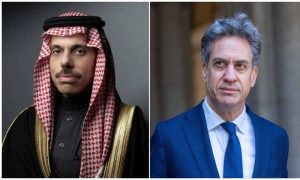
The plan is being seen as part of a wider, coordinated push for de-escalation, with officials noting strong alignment between proposals discussed in Beijing and outcomes of recent consultations held in Islamabad involving Pakistan, Saudi Arabia, Turkey, and Egypt.
“The five points have received appreciation from across the region and beyond, —- there were statements from the U.S. leadership about appreciation of diplomatic efforts.” Foreign Office spokesperson Tahir Andrabi said in a weekly press briefing in Islamabad.
The initiative reflects a broader effort to end the war, secure a cessation of hostilities, and create a sustainable pathway towards a lasting resolution of the conflict.
Andrabi said the five-point plan provides a structured framework for reducing tensions and advancing diplomatic solutions.
🔴LIVE: Spokesperson’s Weekly Press Briefing 02-04-2026 at Ministry of Foreign Affairs, Islamabad https://t.co/2CIL4Nphhm
— Ministry of Foreign Affairs – Pakistan (@ForeignOfficePk) April 2, 2026
He said there are strong similarities across the different frameworks, adding that the initiatives — whether in Urumqi, Beijing, or Islamabad — have all been widely welcomed.
He said the plan centres on an immediate ceasefire, measures to contain the conflict, and ensuring humanitarian aid reaches those affected.
He said the plan calls for an immediate ceasefire, efforts to prevent the conflict from spreading, and unhindered humanitarian assistance for affected populations.
The initiative also stresses the protection of civilians and non-military infrastructure, alongside adherence to international humanitarian law.
Andrabi said the plan emphasises safeguarding civilian and non-military targets, strict adherence to international humanitarian law, and reaffirming the primacy of the UN Charter.
Maritime security, particularly in the Strait of Hormuz, forms a key component of the proposal, given its importance to global energy supplies.