Key Points
- Around 90–100 ships normally pass Hormuz daily
- 2 Pakistani ships to transit per day under new plan
- US pauses strikes on Iran energy sites for 10 days
- Pakistan mediating between Iran and US
- Pakistani flag seen as symbol of neutrality and peace
- Nearly 2,000 vessels affected by recent disruptions
ISLAMABAD: In a significant development pointing to easing tensions in the Middle East, Iran has agreed to allow 20 additional Pakistani-flagged vessels to transit through the strategically vital Strait of Hormuz, Deputy Prime Minister and Foreign Minister Ishaq Dar announced late Sunday.
Under the new arrangement, two Pakistani-flagged ships will be permitted to pass through the critical maritime corridor each day.
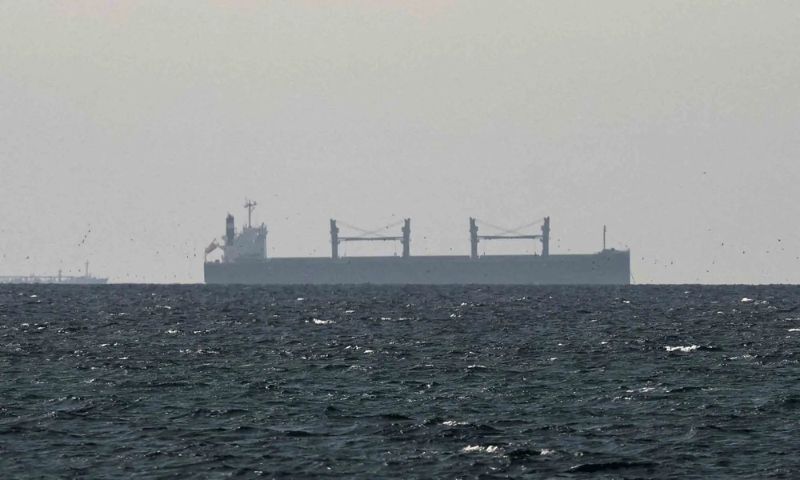
The Strait of Hormuz typically sees the passage of around 90 to 100 ships daily, making it one of the busiest and most strategically important maritime routes in the world. However, ongoing hostilities in the region have drastically reduced this traffic in recent weeks.
The latest decision brings the total number of Pakistani-flagged vessels allowed safe passage to 20 ships, reflecting growing confidence in Pakistan’s diplomatic role.
The Strait of Hormuz, a narrow yet crucial passage, facilitates nearly a quarter of the world’s seaborne oil trade and about 20 percent of global liquefied natural gas shipments.
Recent tensions involving Iran, the United States, and Israel had severely disrupted shipping, triggering a global fuel crunch and leaving nearly 2,000 vessels stranded in surrounding waters.
Describing the move as a positive breakthrough, Dar termed it a “constructive and welcome gesture” by Tehran. He said the decision not only reflects goodwill but also signals a broader shift toward stability in an otherwise volatile region.
I am pleased to share a great news that the Government of Iran has agreed to allow 20 more ships under the Pakistani flag to pass through the Strait of Hormuz; two ships will cross the Strait daily.
This is a welcome and constructive gesture by Iran and deserves appreciation. It…
— Ishaq Dar (@MIshaqDar50) March 28, 2026
“This step carries strong potential to foster peace and strengthen collective efforts aimed at de-escalation,” Dar noted, stressing that dialogue and diplomacy remain the only viable path forward.
Importantly, Iran’s recent permission for Pakistani-flagged ships comes during Pakistan-steered backchannel talks between Tehran and Washington. Diplomatic sources indicate that the United States has agreed to a 10-day pause in strikes on Iran’s energy infrastructure as a result of Pakistan’s peace efforts.
The development suggests that the peace process is gaining traction, with both Iran and the United States increasingly recognizing and respecting the Pakistani flag as a symbol of neutrality and peace.
Observers note that vessels carrying the Pakistani flag are now being viewed as non-hostile and are less likely to be targeted amid ongoing tensions.
Security concerns had remained high, with multiple commercial vessels reportedly damaged in recent weeks. However, limited transit has resumed following assurances from Iran, including safe passage for vessels carrying Pakistani flag.
Pakistan’s growing diplomatic engagement has placed it at the center of regional mediation efforts. Islamabad has been actively facilitating communication between Tehran and Washington in a conflict that has persisted for over a month.
Prime Minister Shehbaz Sharif recently held an extensive conversation with Iranian President Masoud Pezeshkian, focusing on peace initiatives and Pakistan’s role in enabling dialogue between the conflicting sides.
Further underlining its diplomatic push, Pakistan is hosting a rare high-level meeting involving the foreign ministers of Saudi Arabia, Türkiye, and Egypt. The two-day discussions aim to explore mechanisms for de-escalation and assess pathways toward negotiations.
Adding perspective, Islamabad-based security analyst Syed Muhammad Ali said: “During the Gulf War, the Pakistani flag emerged as a symbol of peace and stability.
Tehran’s permission to allow merchant ships carrying Pakistani flags safe passage during extreme hostilities in the Strait of Hormuz proves that Islamabad simultaneously enjoys trust and respect from both Iran and the United States.”
He further noted that Pakistan’s peace efforts to de-escalate the conflict are being recognized and appreciated not only by Iran and the US but also by Arab states.
With multiple regional powers now engaged in mediation, Iran’s maritime concession is being viewed as an early but meaningful confidence-building measure — one that could help reopen critical trade routes and pave the way for broader diplomatic progress.