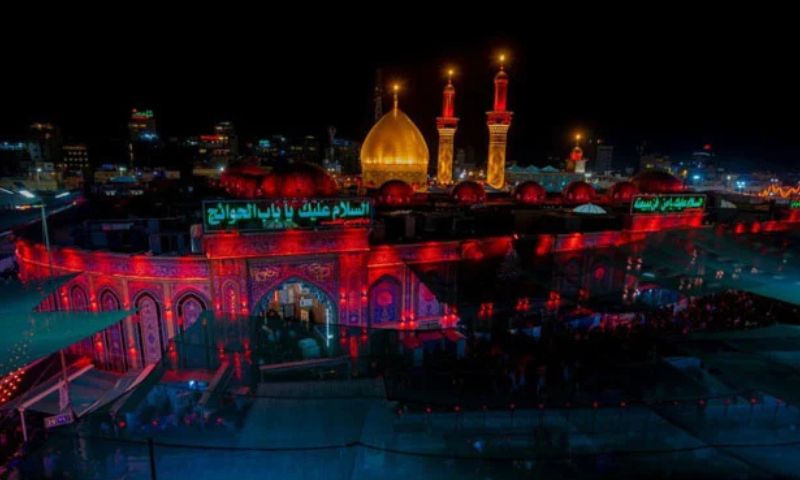



BAGHDAD: More than 500 Pakistani pilgrims have been stranded in Iraq after widespread airspace closures linked to the ongoing Iran conflict, leaving them stuck in Karbala under increasingly difficult conditions.
The group includes women, children, and elderly individuals, many of whom are now facing severe hardship. Reports indicate that several pilgrims have run out of money, leaving them without access to food, basic necessities, and essential medicines.
The situation is particularly critical for older travelers, with some experiencing worsening health due to a lack of medical supplies.
International flight operations dropped by nearly 50 percent in early March, largely due to regional instability and airspace restrictions. Aviation data shows that 1,127 international flights operated between February 1–10, compared to just 572 flights during March 1–10—a sharp decline within weeks.
Closures of Gulf airspace and heightened security concerns have led to widespread flight cancellations, rerouting, and reduced frequencies across the region. Routes connecting Pakistan to key hubs like Dubai have been particularly affected, contributing to a noticeable drop in travel demand.
Industry analysts say the situation highlights the vulnerability of Pakistan’s aviation sector, which relies heavily on Middle Eastern transit corridors. The ongoing disruptions demonstrate how quickly geopolitical tensions can impact air travel, especially in regions dependent on sensitive air routes.
Authorities continue to monitor the situation, but a full recovery in flight operations is expected to depend on improved regional stability and the reopening of critical airspace.