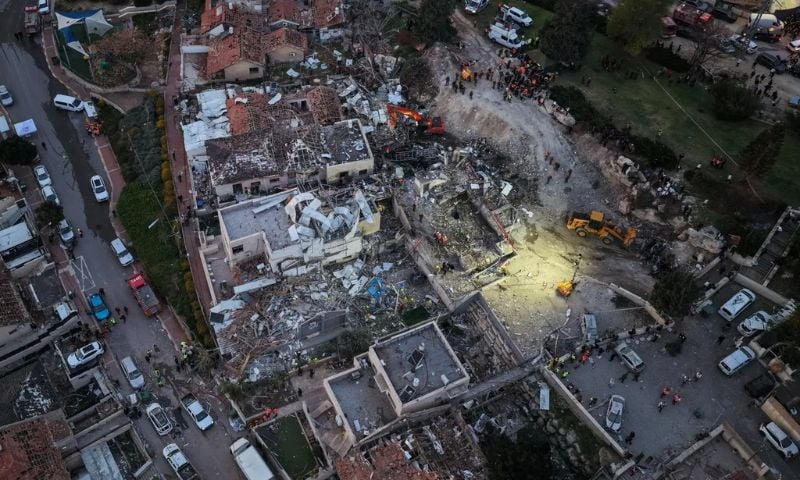



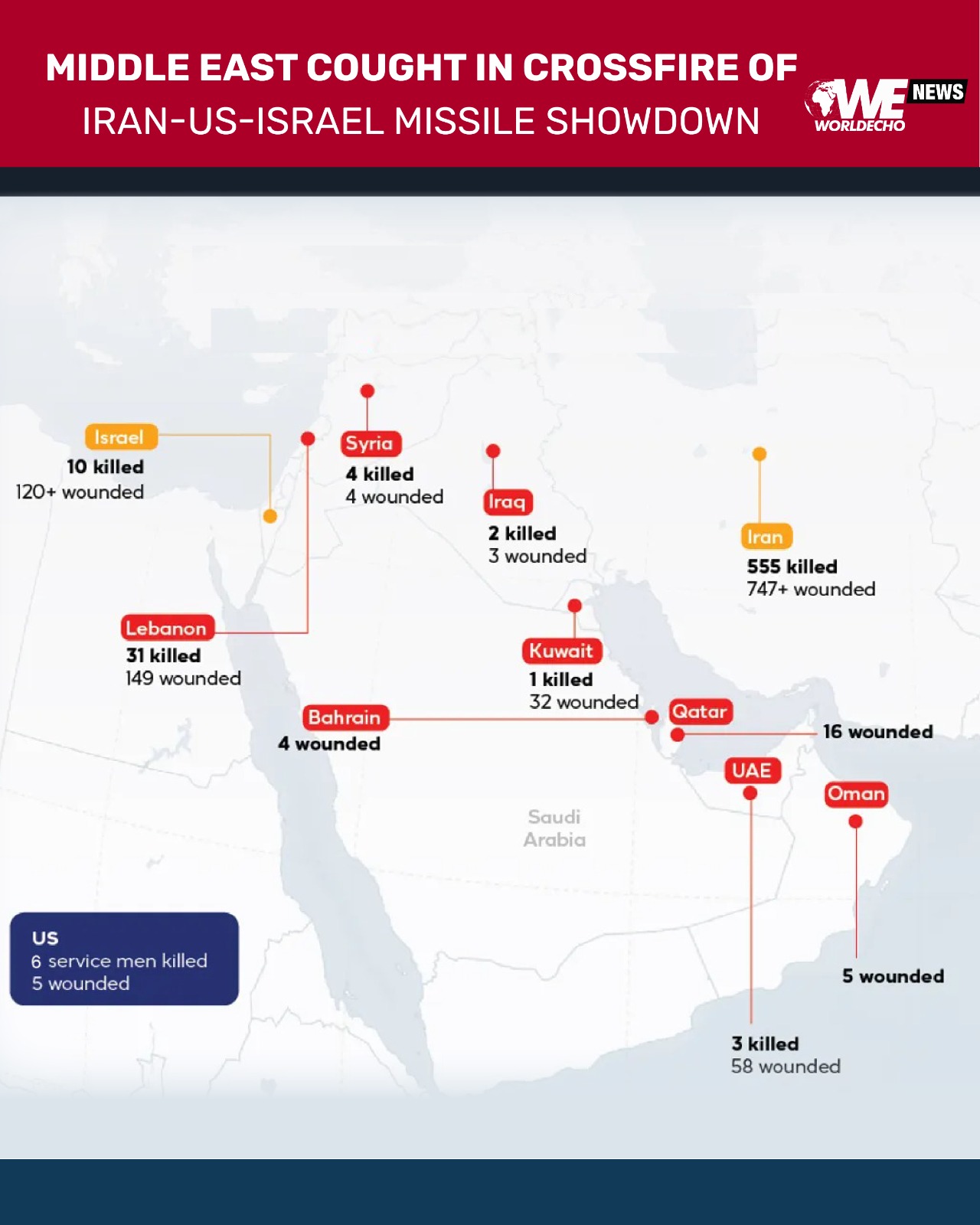
WASHINGTON: The United States and Israel intensified their military campaign against Iran on Tuesday as the conflict spilled further across the Middle East, with missile interceptions over Israel, a drone strike on the US embassy in Riyadh, fresh Israeli strikes in Lebanon, and explosions reported across the Gulf.
The confrontation, triggered by joint US-Israeli strikes on Iran over the weekend, entered its fourth day with expanding cross-border attacks, rising threats to energy infrastructure, and growing diplomatic alarm, showing little sign of easing.
The latest escalation has seen Israeli missile interceptions over Jerusalem, drone strikes on the US embassy in Riyadh, and fresh Israeli attacks on Hezbollah targets in Beirut.
Iran has threatened shipping in the Strait of Hormuz, while Qatar and Saudi Arabia reported intercepting incoming projectiles.
Washington said it has struck more than 1,250 targets in Iran and urged Americans to leave much of the region. Diplomatic tensions are mounting as global powers warn of wider economic and security fallout.
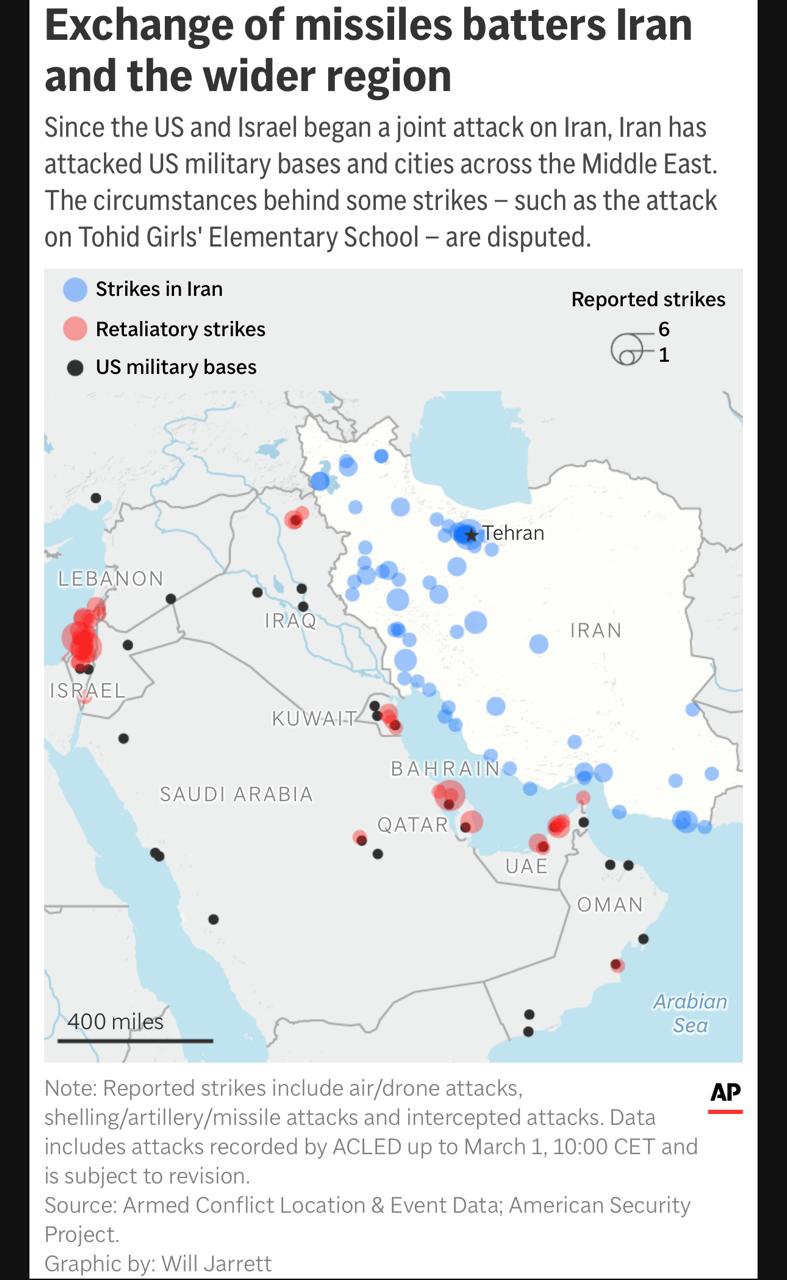
Below are the latest developments:
Israel intercepts new missile barrage
Shortly after midnight Tuesday, Israel’s military said it was responding to a significant wave of missiles fired from Iran at multiple locations, including Jerusalem.
“A short while ago, the IDF identified missiles launched from Iran toward the territory of the State of Israel. Defensive systems are operating to intercept the threat,” the military said in a statement.
Air defence systems were activated across several areas as authorities worked to neutralise the incoming projectiles.
Explosions reported across the Gulf
Witnesses reported loud blasts and rising smoke in Riyadh’s diplomatic quarter, an area that houses foreign embassies and diplomatic residences.
Saudi authorities confirmed that two drones struck the Embassy of the United States, Riyadh, causing a limited fire and minor material damage.
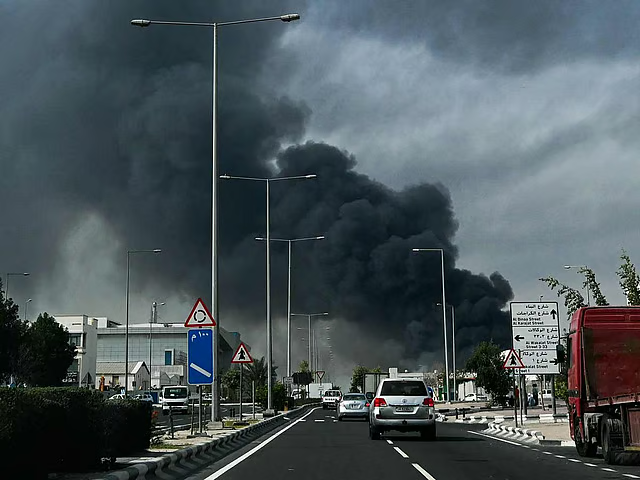
In Qatar, officials said two ballistic missiles were intercepted over Doha early Tuesday after explosions were heard across the capital.
Qatar had earlier downed two Iranian bombers and temporarily halted LNG production as Tehran expanded its retaliatory campaign to target oil facilities in Saudi Arabia and the United Arab Emirates, escalating energy market concerns and pushing prices higher.
Israeli strikes target Hezbollah positions
Israel’s military said it launched new strikes on Hezbollah sites in Beirut, including “command centres and weapons storage facilities,” signalling that operations against the Iran-backed group would continue.
Hezbollah said its rocket and drone attacks on Israel were a “defensive act,” citing more than a year of Israeli strikes despite an existing ceasefire arrangement.
US urges Americans to ‘depart now.’
The US State Department issued an urgent advisory for American citizens to leave much of the Middle East due to heightened security risks linked to the widening conflict.
The @SecRubio @StateDept urges Americans to DEPART NOW from the countries below using available commercial transportation, due to serious safety risks. Americans who need State Department assistance arranging to depart via commercial means, CALL US 24/7 at +1-202-501-4444 (from… pic.twitter.com/vdplAik2Sq
— Assistant Secretary Mora Namdar (@AsstSecStateCA) March 2, 2026
Assistant Secretary of State for Consular Affairs Mora Namdar wrote that the department “urges Americans to DEPART NOW from the countries below using available commercial transportation, due to serious safety risks.”
The advisory covers 14 countries: Bahrain, Egypt, Iran, Iraq, Israel and the Palestinian territories, Jordan, Kuwait, Lebanon, Oman, Qatar, Saudi Arabia, Syria, the United Arab Emirates and Yemen.
Israeli military claims strike on Iranian broadcaster
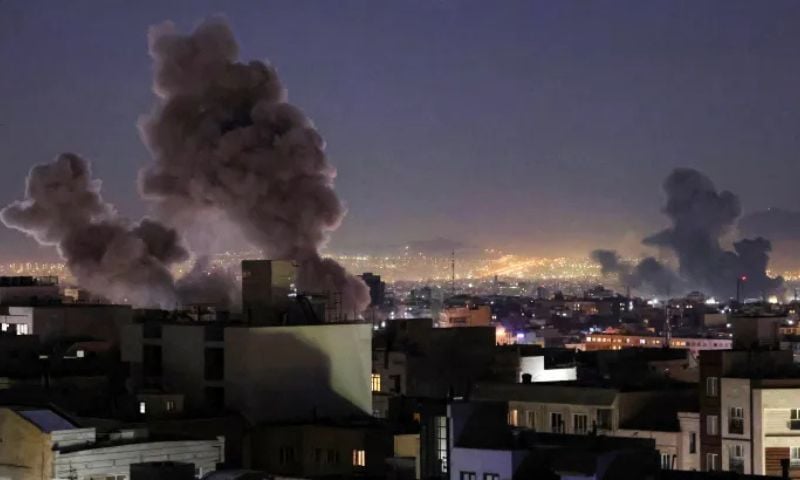
Israel’s military said it had “struck and dismantled” the headquarters of the Islamic Republic of Iran Broadcasting (IRIB), accusing it of incitement.
IRIB reported explosions near its Tehran headquarters but said its operations had not been disrupted.
Hormuz shipping threatened
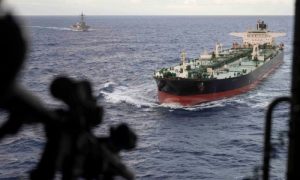
A senior commander in Iran’s Revolutionary Guards warned that Tehran could target maritime traffic in the Strait of Hormuz, a key global oil transit route.
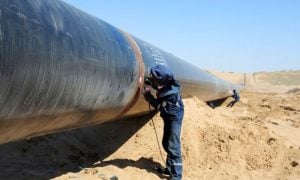
“We will also attack oil pipelines and will not allow a single drop of oil to leave the region. Oil price will reach $200 in the coming days,” General Sardar Jabbari said on Telegram.
He added that Iran would “burn any ship” attempting to pass through the strategic waterway.
Rubio says US acted preemptively
US Secretary of State Marco Rubio said Washington launched its strikes after learning Israel was preparing to attack Iran, arguing that failing to act first would have exposed US forces to greater risk.
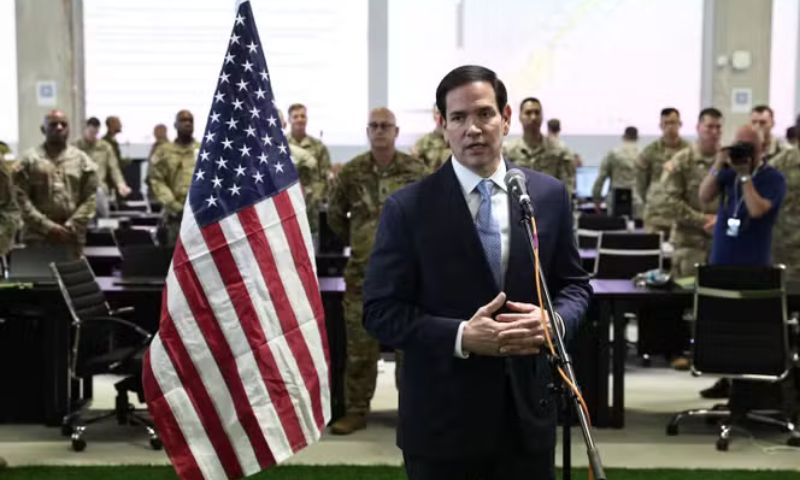
“We knew that if we didn’t preemptively go after them before they launched those attacks, we would suffer higher casualties,” Rubio said.
UNESCO site in Tehran damaged
Iranian media reported damage to the UNESCO-listed Golestan Palace following nearby explosions in southern Tehran.
According to ISNA, parts of the historic complex were affected by blast reverberations, damaging windows, doors and mirrors.
US says 1,250 targets struck
The United States said it has hit more than 1,250 targets during the first 48 hours of operations against Iran.
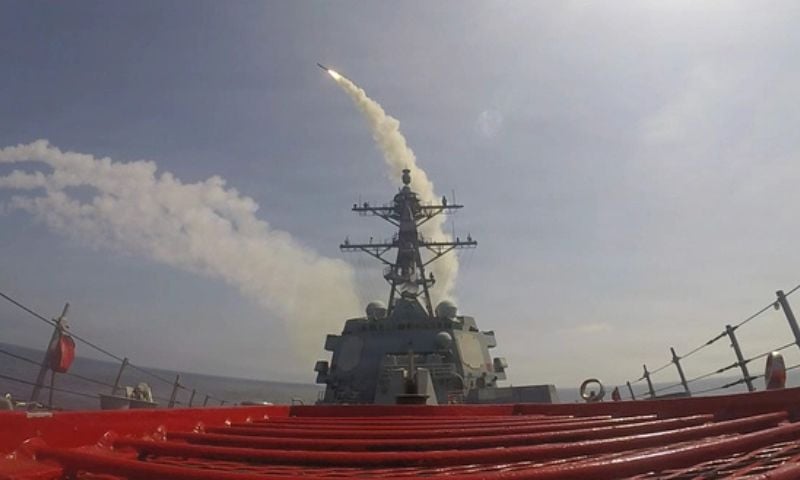
According to US Central Command, strikes targeted command-and-control facilities, ballistic missile sites, naval vessels, submarines and anti-ship missile positions.
President Donald Trump, in his first public comments since launching the campaign, outlined four objectives:
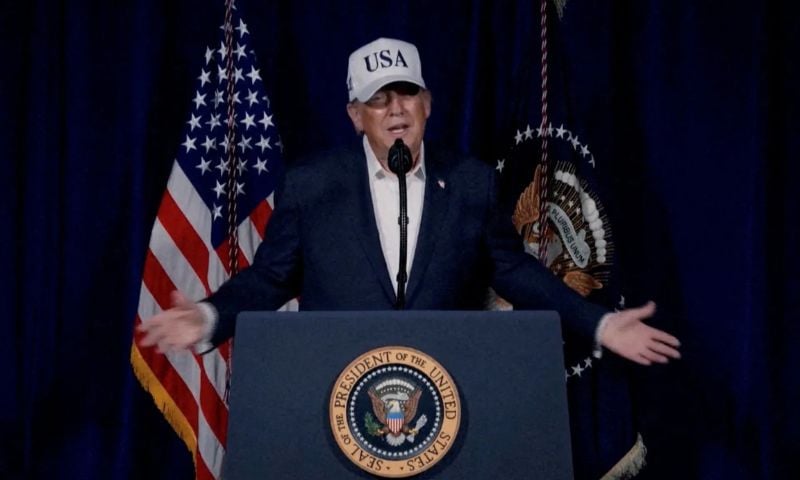
“First, we’re destroying Iran’s missile capabilities…Second, we’re annihilating their navy…Third, we’re ensuring that the world’s number-one sponsor of terror can never obtain a nuclear weapon.
“Finally we are ensuring the Iranian regime can’t continue to arm, fund and direct terrorist armies outside of their borders.”
Trump also signalled that the campaign could extend beyond initial projections.
Australian base in UAE struck
Australian Defence Minister Richard Marles confirmed that Australia’s regional headquarters at Al Minhad Air Base, located south of Dubai in the United Arab Emirates, was hit over the weekend.
The expanding geography of the attacks — stretching from Israel and Lebanon to Saudi Arabia, Qatar, the UAE and Iran — highlights the risk that the confrontation could develop into a broader regional war with global economic and security consequences.