LONDON/GENEVA: Chikungunya, a painful mosquito-borne viral disease, now poses a threat across much of Europe as rising temperatures linked to climate change allow the virus to spread for longer periods, according to a new study.
The research, led by Sandeep Tegar at the UK Centre for Ecology and Hydrology (UKCEH), found that infections could occur for over six months a year in Spain, Greece, Italy, and Portugal.
Countries including France, Belgium, Germany, and Switzerland face two to five months of potential transmission annually.
Even south-east England could see a two-month transmission window, according to the study.
Climate change expands risk
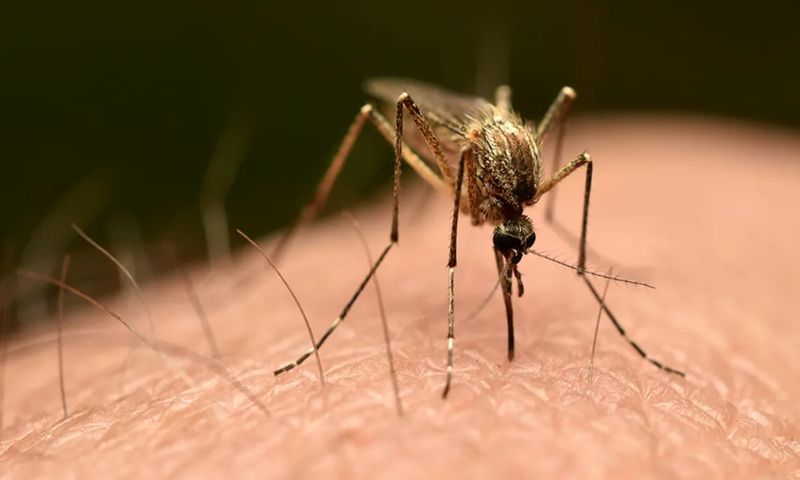
The study examined the effect of temperature on the virus’s incubation in the Asian tiger mosquito, which has recently expanded its range across Europe.
Researchers found that the minimum temperature for infections is 13–14°C, lower than previous estimates of 16–18°C.
“This means a higher risk of outbreaks across more regions for longer periods,” the study noted.
Dr Steven White of UKCEH warned that warmer winters remove the “natural firebreak” that previously limited mosquito activity.
Dr Diana Rojas Alvarez of the World Health Organization (WHO) highlighted the disease’s severity, stating that up to 40% of patients can suffer arthritis or severe pain for years.
She urged public health measures, including removing standing water, using repellents, wearing protective clothing, and enhancing mosquito surveillance.
Recent European cases
Although the UK has not reported local transmissions, 73 cases were recorded among returning travellers in the first half of 2025 — nearly triple the number from 2024.
France and Italy reported hundreds of local cases in 2025, often triggered by infected travellers who introduce the virus to areas with established tiger mosquito populations.
Chikungunya virus, first identified in Tanzania in 1952, causes severe joint pain and can be fatal in young children and the elderly.
The Asian tiger mosquito, a primary vector, also transmits dengue and Zika viruses, raising additional public health concerns.
Global travel advisories
The US Centers for Disease Control and Prevention (CDC) has issued a “Level 2” advisory for travellers to the Seychelles, Bolivia, and Suriname, recommending vaccination before travel.
The CDC also lists countries with elevated risk for US travellers, including Brazil, Colombia, India, Indonesia, Mexico, Nigeria, Pakistan, Peru, Philippines, and Thailand.
CDC guidance considers factors such as laboratory-confirmed disease, seasonal mosquito activity, transmission in new areas, and risks to travellers.
Symptoms and risks
Chikungunya symptoms typically appear three to seven days after a mosquito bite. Common signs include fever, severe joint pain, joint swelling, muscle aches, nausea, fatigue, and rash.
While most recover within a week, some suffer prolonged joint pain lasting months or years.
Newborns, older adults, and those with pre-existing conditions are at greater risk of severe complications, including eye, heart, or neurological issues.
Vaccines and prevention
Vaccines are now available in the UK for travellers aged 12 and above to prevent chikungunya. Vaccines stimulate the immune system to produce antibodies against the virus.
Health authorities recommend consulting a travel specialist to assess suitability, particularly for frequent or long-term travellers to affected areas.
Other preventive measures include applying DEET-based repellents, wearing long-sleeved clothing, sleeping under treated mosquito nets, and staying in screened or air-conditioned accommodations.
Dr Richard Dawood, a travel medicine specialist, stressed the importance of continued vigilance.
“Taking preventative steps is essential to minimise the risk of contracting mosquito-borne diseases in tropical destinations,” he said.