Key points
- Doha talks mediated by Qatar and Turkiye
- UN stresses diplomacy, restraint, and civilian protection
NEW YORK: The United Nations has expressed optimism that the ceasefire between Pakistan and Afghanistan will hold and pave the way for diplomatic efforts to resolve ongoing disputes, following days of deadly border clashes that alarmed the region.
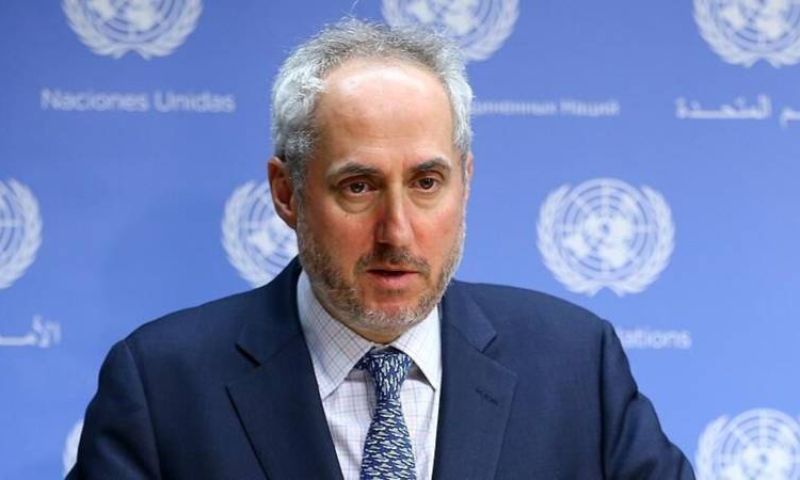
“Well, the Afghanistan and Pakistan, we hope that the ceasefire will hold and that all of the outstanding issues will be dealt diplomatically,” said Stephane Dujarric, Spokesperson for the UN Secretary-General, reports Friday Times.
His comments mark the UN’s latest engagement on the matter after intensified fighting along the border left civilians dead, destroyed homes, and displaced families from frontline areas.
The ceasefire was reached this weekend during talks in Doha, mediated by Qatar and Turkiye, following a week of heightened hostilities along the Pakistan–Afghanistan border.
A follow-up round of negotiations between the two countries is scheduled to take place in Istanbul on October 25.
Before the ceasefire announcement, the UN had already voiced concern. Deputy Spokesperson Farhan Haq emphasised the need for restraint and civilian protection, warning that “cross-border violence threatens regional stability and endangers innocent lives.”
On Saturday, while the talks were ongoing, Pakistan reiterated that it did not seek escalation but urged the Afghan Taliban authorities to fulfil their commitments to the international community and to address Pakistan’s legitimate security concerns by taking verifiable action against terrorist groups, according to a statement from the Foreign Office (FO).
“Pakistan appreciates the mediation efforts of Qatar and hopes these discussions contribute to peace and stability in the region,” the FO had added.
On the night of 11 October, Afghan forces launched an unprovoked assault on Pakistani border posts, triggering a series of clashes that resulted in the martyrdom of 23 Pakistani soldiers and the deaths of over 200 Taliban and affiliated militants, according to the Inter-Services Public Relations (ISPR).
In response, the Pakistan military carried out precision strikes inside Afghanistan’s Kandahar province and Kabul, targeting militant camps and border positions, while urging Kabul to take action against terrorist organisations operating from its territory.