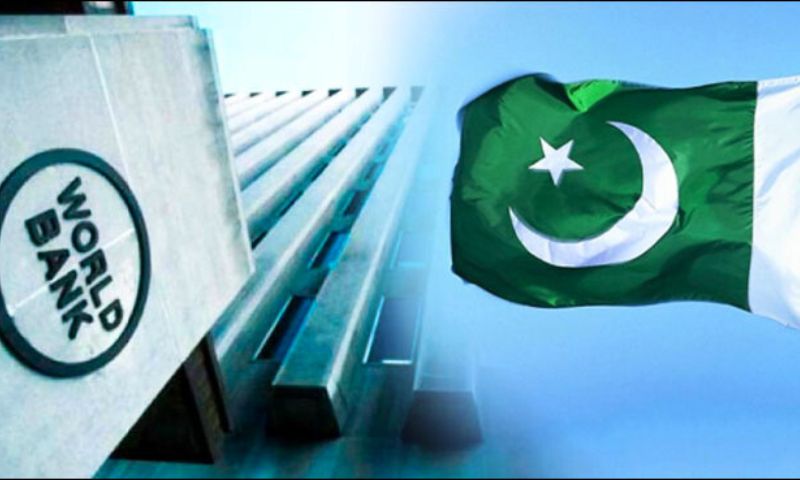



ISLAMABAD: The World Bank has reclassified Pakistan from the South Asia region to a broader grouping that includes the Middle East and North Africa, placing it under a new regional framework known as Middle East, North Africa, Afghanistan, and Pakistan (MENAAP).
Regional classifications play a key role in structuring programmes, guiding research, and shaping how economic progress is interpreted. Moving a country between regions alters statistical aggregates and changes how analysts understand regional performance.
The World Bank groups its 189 member countries based on operational priorities and shared economic characteristics, not just geography. As a result, Pakistan’s reclassification reflects broader similarities in development challenges, economic structures and regional linkages.
The change also affects how data is compared over time, influencing analytical consistency, programme coordination, and the interpretation of regional development patterns, particularly when comparing pre- and post-reclassification groupings.
The shift, which took effect from July 2025, means Pakistan is no longer counted within the traditional South Asia category — now largely comprising India, Bangladesh, Nepal, Sri Lanka, Bhutan and the Maldives.
The reclassification is primarily an analytical and administrative change, affecting how the World Bank groups countries for economic reporting, development analysis, and regional comparisons, rather than altering Pakistan’s geography or political alignment.
Under the new structure, Pakistan is grouped alongside economies facing similar challenges linked to conflict, energy markets, and geopolitical instability, which have become central to regional economic assessments.
The move also reshapes regional statistics and development indicators, potentially affecting how economic performance, poverty trends, and growth projections are interpreted across both South Asia and the expanded MENAAP region.
As a result, future World Bank reports will assess Pakistan’s economy within the context of Middle Eastern and North African dynamics, rather than South Asian trends.