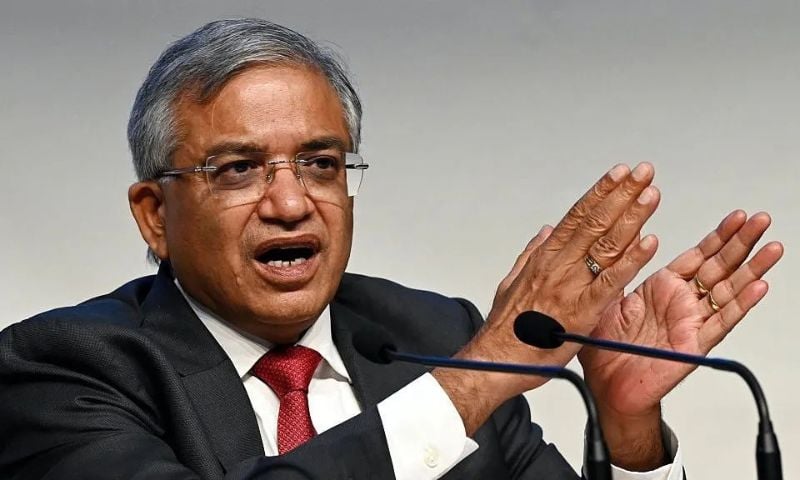
NEW DELHI: India’s Chief Election Commissioner Gyanesh Kumar is facing growing scrutiny over the country’s voter-roll revision programme and reported disagreements within the three-member Election Commission, turning a previously low-profile bureaucrat into the centre of a major political and institutional controversy.
The controversy centres largely on the Special Intensive Revision (SIR) of electoral rolls, which began in Bihar and has since expanded to much of India.
The exercise has left more than 130 million names off draft voter lists across 30 states and federally administered territories, according to The Indian Express.
The Election Commission says the process is intended to identify duplicate and ineligible entries and ensure that legitimate voters remain on the rolls. Opposition parties have raised concerns about eligible voters being excluded.
Internal Dispute
The controversy intensified after an Indian Express investigation reported that Election Commissioners Sukhbir Singh Sandhu and Vivek Joshi had formally objected at least 14 times over 10 months to decisions and orders they said were issued without their knowledge.
Their concerns included changes to voter-registration procedures, deletion and restoration of names and access to the electoral-roll database.
Sandhu described one change to the Form 6 voter-registration process as “unauthorised and illegal”, while both commissioners raised concerns about what they described as the gradual centralisation of the voter database.
The Election Commission has rejected suggestions of a serious institutional split, saying differences of opinion are a normal part of deliberations and that decisions taken by the full commission over the past year, including those concerning SIR, were unanimous.
Why Kumar?
Kumar became Chief Election Commissioner in February 2025 after joining the Election Commission as an election commissioner in March 2024.
His appointment itself was politically contested. He was the first CEC appointed under a 2023 law that changed the composition of the selection panel, replacing the Chief Justice of India with a cabinet minister nominated by the prime minister. Opposition leaders argued that the change could weaken the commission’s independence.
The wider legal challenge to the 2023 law remains before India’s Supreme Court.
SIR Controversy
The voter-roll revision has become the defining issue of Kumar’s tenure.
The Election Commission says the exercise is designed to clean up electoral rolls and protect their accuracy.
Critics, including opposition parties, argue that the scale of deletions and the procedures used to verify voters could exclude legitimate electors. Reuters reported that about 130 million people were left out of initial draft lists during the nationwide exercise.
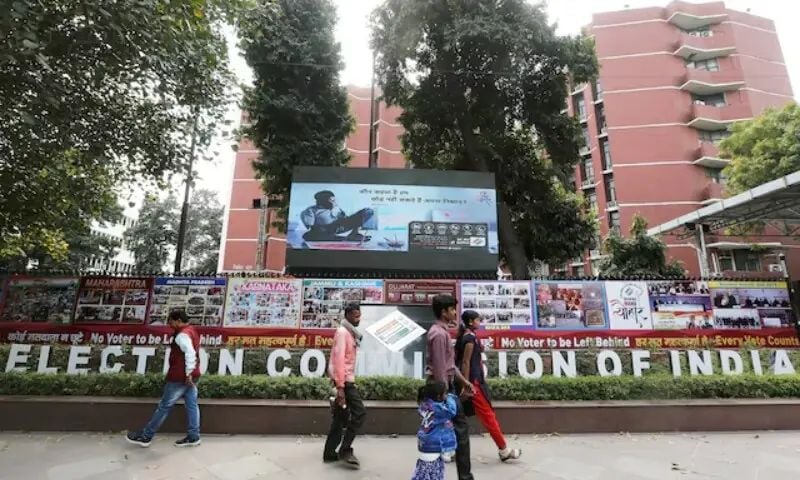
The reported objections from Sandhu and Joshi have added another layer to the dispute because they concern the functioning of the institution responsible for conducting India’s elections.
Political Pressure
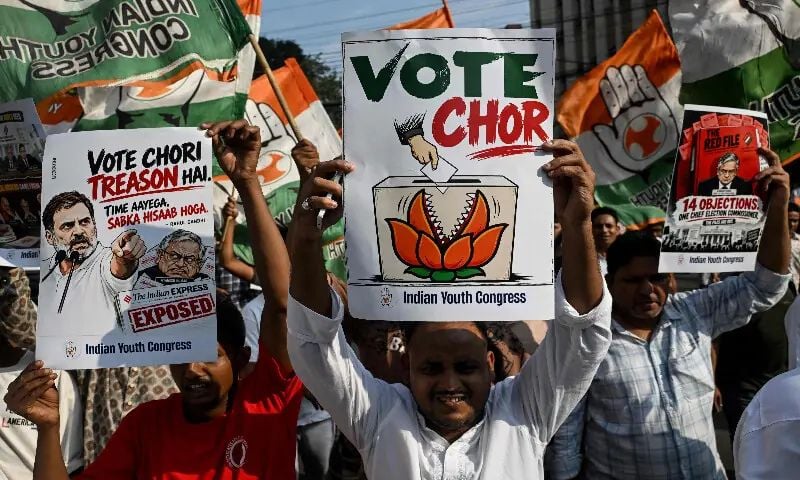
The controversy has also triggered calls from opposition groups for Kumar’s resignation or removal.
Congress and other opposition parties have criticised the SIR process and questioned the Election Commission’s handling of voter data. A youth-led group known as the Cockroach Janta Party has also demanded Kumar’s resignation and threatened nationwide protests.
These remain political allegations rather than established findings of wrongdoing. The Election Commission has maintained that its decisions are lawful and that the full commission has acted unanimously.
A Different Challenge
Kumar spent most of his career as a civil servant, including senior assignments in India’s Home Ministry. His current challenge is different: defending the credibility and decision-making process of the institution he leads.
The latest dispute has therefore placed Kumar under scrutiny on two fronts — the way India is revising its electoral rolls and the way decisions are being made inside the constitutional body responsible for conducting the country’s elections.