LONDON: The health benefits of regular exercise generally outweigh the risks posed by air pollution, although people exercising in cities can reduce their exposure by choosing less congested routes and avoiding periods of heavy pollution.
Air pollution is linked to a range of health problems, including heart disease, respiratory illnesses, cancer and premature death. The World Health Organisation estimates that 99% of the global population breathes polluted air.
Pollution Exposure
Fine particulate matter known as PM2.5 is among the main concerns. The particles are small enough to penetrate deep into the lungs and enter the bloodstream, potentially affecting organs throughout the body.
Research has also linked long-term exposure to PM2.5 and other pollutants, including nitrogen dioxide, with an increased risk of dementia. Nitrogen dioxide can also cause lung inflammation and affect lung development and function.
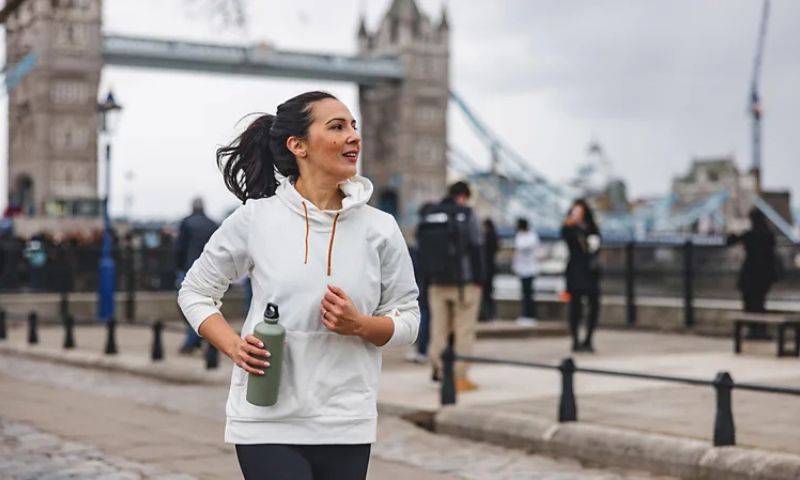
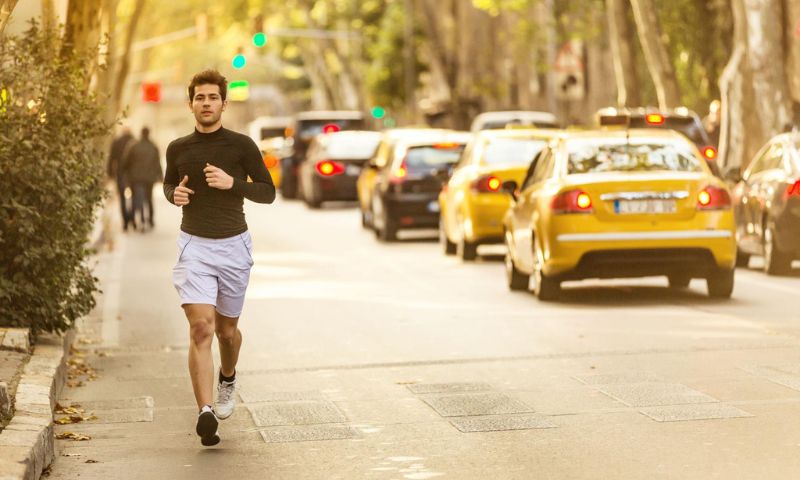
Exercise can increase exposure because people breathe more rapidly and deeply during activities such as running and cycling. Studies suggest that people exercising at higher intensity inhale a larger dose of pollutants over the same distance than those walking.
However, being inside a car does not necessarily provide greater protection. Research cited by experts suggests cyclists can sometimes have lower personal exposure than people travelling inside vehicles because they are moving through the air rather than sitting in traffic.
Benefits Of Exercise
Studies indicate that the overall health benefits of physical activity can outweigh the risks associated with polluted air.
A 2016 modelling study found that the health gains from walking and cycling generally outweighed the harmful effects of air pollution. The researchers found that only at exceptionally high pollution levels did the risks begin to approach or exceed the benefits of prolonged exercise.
A more recent review found that exercise in polluted environments was associated with a 26% reduction in mortality risk compared with inactivity. The reduction was higher, at 31%, among people exercising in cleaner air.
Research also suggests that exercise can improve lung function, lower blood pressure and offset some of the effects of air pollution on cognitive health.
However, pollution can reduce some of the benefits of exercise. A study involving healthy people and those with chronic lung or heart conditions found that participants walking in cleaner areas experienced greater improvements in lung and blood-vessel function than those walking along heavily polluted roads.
Reducing Exposure
Experts recommend choosing parks, quieter roads and routes away from heavy traffic whenever possible. Moving just one or two streets away from busy roads can reduce pollution exposure by 20% to 30%, while using side streets can cut exposure further.
Avoiding rush-hour traffic can also help because stationary vehicles can create local pollution hotspots. During hot, sunny weather, people may also consider avoiding periods when ground-level ozone levels are elevated.
Monitoring local air-quality readings can help people decide when outdoor exercise is appropriate. On days with particularly high pollution, exercising indoors or in cleaner areas may be preferable.
People with existing respiratory or cardiovascular conditions may need to take additional precautions.