



LONDON: The health of your mouth may depend on more than brushing and flossing. Scientists are increasingly finding that what you eat can influence the vast community of microorganisms living in the mouth and potentially affect health beyond the teeth and gums.
The oral microbiome contains about 700 species of bacteria, alongside viruses, fungi and other microorganisms. These microbes occupy different areas of the mouth, including the surface of the teeth, tongue and spaces around the gums.
Some help protect the mouth, while others can contribute to tooth decay and gum disease.
A Delicate Microbial Balance
Some bacteria in the mouth can damage teeth, while others help keep harmful microbes under control.
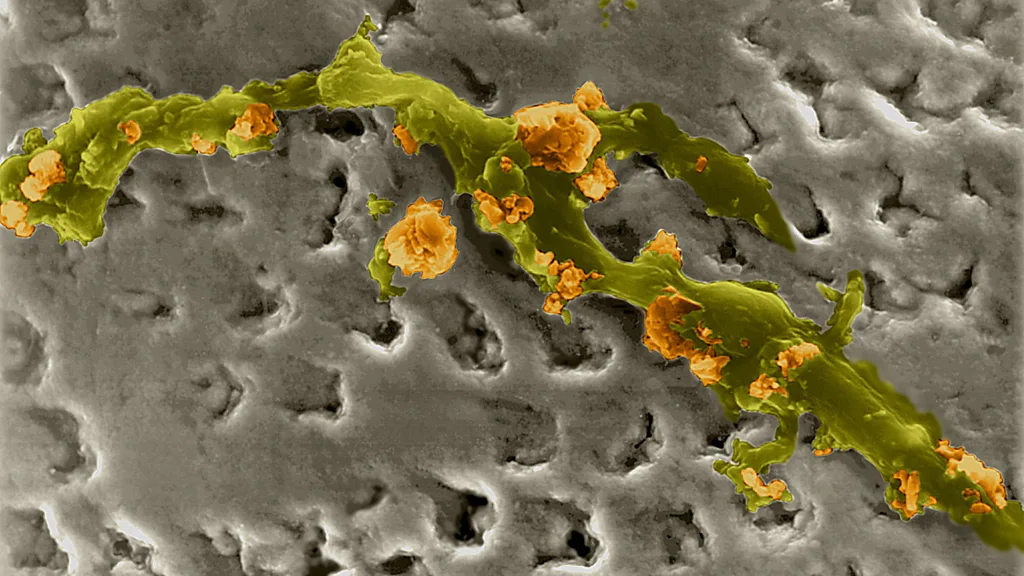
One of the main bacteria linked to tooth decay is Streptococcus mutans. It feeds on sugar and produces acids that gradually wear away tooth enamel, increasing the risk of cavities.
Other types of bacteria can have the opposite effect. They compete with harmful microbes for food and space, helping maintain a healthier balance in the mouth.
Scientists are also studying whether an unhealthy balance of mouth bacteria could be linked to problems elsewhere in the body.
For example, Porphyromonas gingivalis, a bacterium associated with gum disease, can grow in the pockets that form between the teeth and gums. Researchers have found links between this bacterium and conditions such as heart disease, diabetes and rheumatoid arthritis.
Other studies have found associations between changes in mouth bacteria and depression, while scientists are also investigating possible links with certain cancers, including pancreatic and colon cancer.
But these findings do not mean that unhealthy mouth bacteria directly cause these diseases. Researchers are still working to understand how strong these connections are and whether changes in the oral microbiome actually contribute to them.
Your Diet Feeds Your Mouth Microbes
Brushing remains essential for oral hygiene, but diet can also influence which microorganisms thrive.
Foods and drinks high in added sugar can encourage cavity-causing bacteria. Highly processed carbohydrates can also be problematic because they are readily broken down into sugars in the mouth.
Common examples include white bread, crackers, biscuits, cakes and pretzels.
By contrast, a varied diet rich in plant foods can provide compounds that support a more diverse microbial environment.
Leafy Greens May Help
Leafy green vegetables such as kale, spinach, beetroot and radishes are rich in nitrate, which can be used by Neisseria bacteria in the mouth.
These microbes convert nitrate into nitrite, which can subsequently contribute to the production of nitric oxide in the body. Nitric oxide plays an important role in regulating blood vessels and blood pressure.
Research has found that consuming nitrate-rich foods can have cardiovascular benefits, although the precise contribution of the oral microbiome to these effects is still being investigated.
Garlic And Plant Foods
Garlic may also have benefits despite its less-than-ideal effect on breath.
It contains allicin, a compound with antimicrobial properties that can act against some bacteria associated with cavities and gum disease.
A largely plant-based diet may offer additional benefits because plants contain polyphenols, compounds with antioxidant and other biological properties that are being studied for their effects on the microbiome.
What This Means For Oral Health
The emerging research suggests that maintaining oral health is not simply about eliminating harmful bacteria. It is also about supporting a balanced microbial community.
That means limiting sugary foods and highly processed carbohydrates while eating a varied diet containing vegetables, plant foods and other nutrient-rich options.
Good oral hygiene remains essential, but scientists are increasingly viewing the mouth as an ecosystem whose health may be influenced by everyday dietary choices — and whose effects could extend well beyond the teeth and gums.