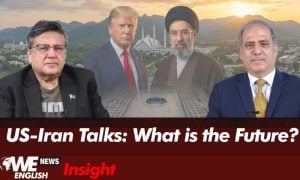



WASHINGTON: The White House said on Wednesday that US negotiators are continuing communication with Iranian officials despite the ongoing blockade of Iranian ports and shipping disruptions in the Strait of Hormuz.
“US negotiators continue to engage with the Iranians, who are struggling to sort out their leadership situation following Operation Epic Fury,” White House spokesperson Anna Kelly said in a statement to the media, referring to the joint US-Israeli military campaign.
The spokesperson added that US President Donald Trump would only accept an agreement that “puts US national security first” and reiterated Washington’s position that Iran must never obtain a nuclear weapon.
The remarks came after Trump urged Iran, in a post on his Truth Social platform, to “get smart soon” and agree to a deal, warning: “No more Mr. nice guy!”
President Trump posts on Truth Social: Iran can’t get their act together. They don’t know how to sign a nonnuclear deal.
They better get smart soon! President DJT pic.twitter.com/tFEwmalvrD
— Donald J Trump Posts TruthSocial (@TruthTrumpPost) April 29, 2026
Pakistan pushes diplomatic efforts
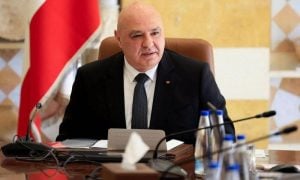
Meanwhile, Pakistan’s Prime Minister Shehbaz Sharif said Islamabad continues to pursue diplomatic efforts to de-escalate tensions between Washington and Tehran.
Chairing a federal cabinet meeting in Islamabad, the prime minister recalled the first round of US-Iran talks hosted in the Pakistani capital on April 11–12.
“Unprecedented number of diplomatic efforts were made,” PM Sharif said, adding that the initiative contributed to a ceasefire extension announced on April 21 by Trump.
Pakistan has positioned itself as a key mediator since the war started, facilitating dialogue despite the initial round of talks ending without an agreement.
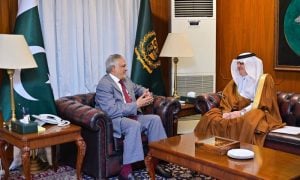
Prime Minister Sharif also highlighted the role of Pakistan’s Chief of Defence Forces and Chief of Army Staff Field Marshal Syed Asim Munir and Deputy Prime Minister and Foreign Minister Ishaq Dar in advancing diplomatic outreach.
PM Sharif referred to recent visits by Iranian Foreign Minister Abbas Araghchi, who held meetings with Pakistani leaders in Islamabad and indicated Tehran would respond after internal consultations.
وزیراعظم محمد شہباز شریف کی کابینہ اجلاس سے ابتدائی گفتگو@CMShehbaz pic.twitter.com/rHaSK4lc1a
— PTV News (@PTVNewsOfficial) April 29, 2026
US continues blockade of Iranian ports
On the ground, the United States has continued its naval blockade of Iranian ports, restricting Iran’s oil exports and exerting economic pressure.
The US military said late Tuesday that Marines boarded another commercial vessel but allowed it to proceed.
The blockade, introduced after talks stalled, targets ships entering or leaving Iranian ports and has significantly disrupted maritime traffic through the Strait of Hormuz.
Iran has responded by restricting shipping through the strait and, at times, seizing foreign commercial vessels.
Ship-tracking data showed maritime traffic has dropped sharply, with only seven vessels transiting the strait in the past day compared with up to 140 before the conflict.
At least six Iranian oil tankers have reportedly been forced to turn back due to the blockade.
US weighing Iranian proposal
Efforts to revive negotiations have faltered in recent days. Last week, Trump cancelled a planned visit by his envoy Steve Witkoff and adviser Jared Kushner to Pakistan for further talks.
According to US officials cited by The Wall Street Journal, Trump has instructed aides to prepare for an extended blockade.
Iran has proposed a phased approach to resolving the conflict.
According to officials cited by Reuters, the plan proposes ending hostilities and reopening the Strait of Hormuz before addressing the nuclear dispute.
However, a US official briefed on the discussions said Washington wants nuclear issues addressed from the outset.
Iranian Defence Ministry spokesman Reza Talaei-Nik rejected US demands, saying Washington “must abandon its illegal and irrational demands”, according to state television reported by AFP.
US Secretary of State Marco Rubio said Iran’s proposal was “better than what we thought they were going to submit” but questioned its sincerity, telling Fox News
Rubio said that any agreement must prevent Tehran from advancing towards a nuclear weapon.
Global economic impact
The conflict, which began on February 28 with US and Israeli strikes on Iran, has had significant global impact.
Energy markets have been volatile, with Brent crude rising sharply in recent days.
The World Bank has warned that energy prices could increase by 24 percent in 2026 if disruptions persist.
Shipping disruptions have also impacted global supply chains, contributing to fuel and fertiliser shortages in some regions.
Iranian government spokesperson Fatemeh Mohajjerani said Tehran was using alternative trade routes to mitigate the impact of the blockade.