Key Points
- Costs of munitions replacement account for more than $29 billion
- Damage to US bases may add substantially to the final bill
WASHINGTON: The cost of the US war against Iran has risen above $47 billion, according to the latest Pentagon estimate, exceeding the Defence Department’s July assessment by more than 25 per cent.
According to Pentagon data, obtained by Reuters, the prolonged conflict continued to consume weapons, equipment and operational resources, pushing US military spending and replacement requirements to $47.1 billion.
The US Defence Department has not publicly released the latest figures and did not immediately respond to a request for comment.
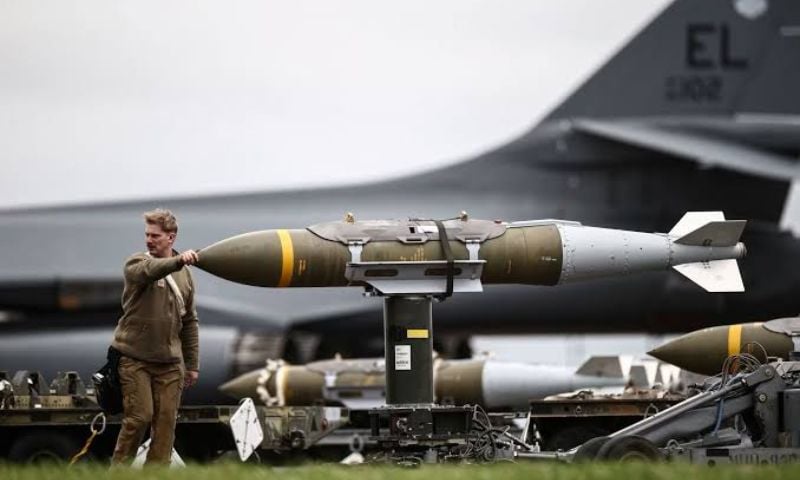
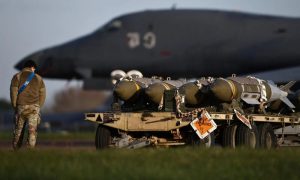
More than $29 billion of the estimated cost accrued from replacing munitions expended during the conflict, while over $6 billion is required to replace lost or damaged military equipment, including aircraft and drones.
The figures do not clearly account for the full cost of repairing US military bases and facilities damaged by Iranian missile and drone attacks. The eventual financial burden could therefore exceed the current estimate.
The latest assessment marks a substantial increase from Defence Secretary Pete Hegseth’s July estimate of $37.5 billion.

READ ALSO: Iran War Costs US $37.5 Billion as Pentagon Seeks Emergency Funding
Pentagon figures reviewed in September had already put the cost at tens of billions of dollars, underscoring the financial demands of a conflict that began on February 28.
The Congressional Budget Office (CBO) separately estimated that the war had cost the US nearly $38 billion in its first five months, according to an assessment released in September.
The office also projected that continued fighting would add roughly $2 billion to $3 billion a month, although costs could rise faster during periods of intensified combat.
Munitions and equipment cost
Replacement of expended weapons accounts for the largest component of the Pentagon’s latest estimate.
The spending reflects the scale of US military operations, including the use of precision-guided missiles, air defence interceptors and bombs.
The equipment bill includes aircraft and other military platforms lost or damaged during operations.
The US Air Force has faced substantial replacement requirements, while the use of costly interceptors to counter Iranian missiles and drones has placed additional demands on weapons stocks.
Replacing these systems is not simply an accounting exercise. Procurement can take time, particularly for sophisticated weapons with complex manufacturing requirements.
Heavy expenditure in one theatre can also complicate efforts to maintain readiness for other potential contingencies.
The latest figures do not provide a complete assessment of the cost of restoring US installations struck during Iranian attacks.
Repairs to runways, buildings, communications facilities and other infrastructure could add significantly to the overall bill, although a comprehensive total has not been made public.
Economic and political consequences
Rising military expenditure revealed amid the conflict continuing to affect global energy markets and raise costs for businesses and households.
Disruptions to oil supplies and shipping have raised fuel costs, putting pressure on consumers and complicating the economic outlook.
A separate study by the Finland-based Centre for Research on Energy and Clean Air, estimated that the world had paid an additional $ 468 billion in costs for fuel between the beginning of March and mid-October compared with prices before the war.
The study attributed the increase to supply disruptions associated with the conflict, including the effective closure and subsequent blockade of the Strait of Hormuz.
The war’s domestic political implications are also coming into focus ahead of the November 3 US congressional elections.
Rising fuel prices and the financial burden of the conflict have become concerns for the administration of President Donald Trump and Republican candidates, whose party holds narrow majorities in both chambers of Congress.