SHEBERGHAN, Afghanistan: Unemployment and a growing struggle to find daily work are deepening economic hardship in Afghanistan, where millions of Afghans returning from abroad are adding pressure to an already strained labour market.
Many have returned to areas where they or their relatives lived before leaving Afghanistan, only to find limited opportunities to rebuild their lives.
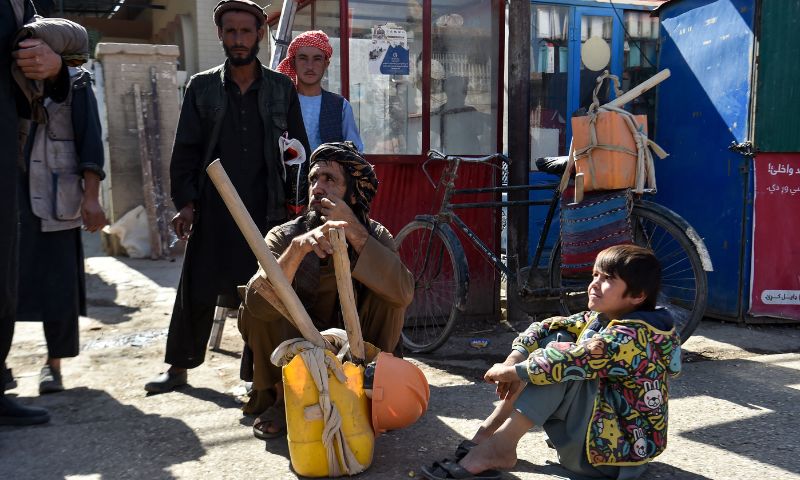
At a roadside gathering in Sheberghan, the capital of Jawzjan province, 83-year-old Ghulam Sakhi Barat joins other labourers hoping to find work to support his seven relatives.
With more people competing for limited jobs, he says families are increasingly struggling to afford even their basic needs.

“Since the returnees arrived, there have been fewer jobs for local people,” Barat said, wearing a frayed waistcoat.
“Help is being given to the returnees, but no help is being given to the people who were already living here.”
More than six million Afghans have returned from abroad in little over three years, including from neighbouring countries and other parts of the world, adding to the pressure on employment, housing and essential services.
Jobs in Short Supply
The impact is being felt by both returning families and residents who were already struggling to make ends meet.
Abdul Qader Hotak, 60, returned to Jawzjan after spending two decades abroad. His family has no land or property in the area, leaving them with few resources to rebuild their lives.
“My children used to go to school and study abroad… Now, all of them collect rubbish to earn something,” he said, eight months after returning to Afghanistan.

For other workers, finding employment has become increasingly difficult.
Faqir Mohammad Khudabakhsh, a 54-year-old mason who spent two decades moving between Afghanistan and other countries in search of work, now finds employment only three days a week.
“Everyone who has returned to Afghanistan needs a place to live and a job, but they have neither,” he said, surrounded by fellow labourers in Sheberghan.
“Instead of spending money on food and clothes, they have to spend it on rent. I’m sorry to say this, but we are suffering from malnutrition.”
The competition for work reflects a wider economic crisis in Afghanistan, where limited employment opportunities and widespread poverty have left many households struggling to secure a reliable income.
Rents Soar
The influx of returning Afghans has also intensified competition for housing, pushing rents higher in communities with limited accommodation.
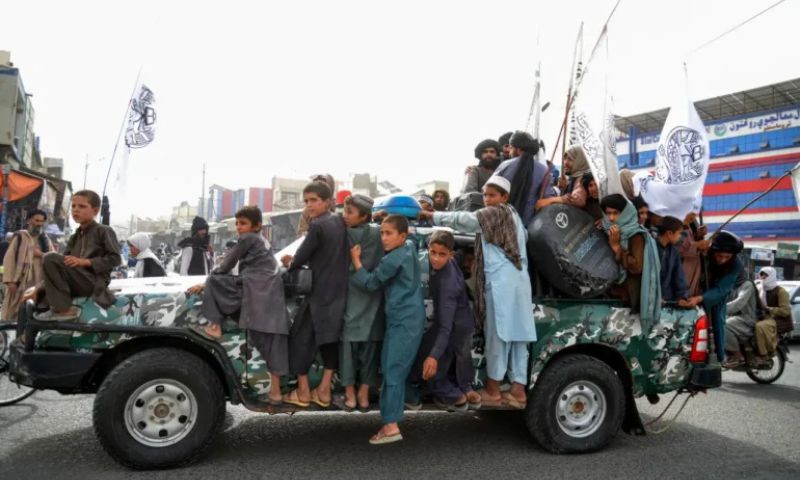
Residents who spoke to AFP reported that rents had risen by as much as 150% in recent years.
In Aqcha, another part of Jawzjan province, the United Nations projects that the population will increase by more than 26% because of the mass returns.
The rapid population growth is placing additional pressure on already scarce resources, particularly in a district affected by prolonged drought.
For many families, securing a roof over their heads has become a financial burden that leaves less money available for food, clothing and other essentials.
Government Disputes Crisis
Afghan authorities have rejected the suggestion that returning families and residents are facing unresolved problems.
Saifuddin Muhtasem, director of the provincial information directorate, said there were “no unresolved issues facing local residents or returnees”.
“We have no unemployed people in Afghanistan, unless someone is simply too fond of their own comfort and chooses not to work,” he said.
Muhtasem said the government had established a nationwide committee to control rents and prevent excessive increases.
However, a 30-year-old civil servant, identified by AFP only as Ahmadi for security reasons, said he had never heard of the committee and that his rent had doubled in 18 months.
“Economic problems have increased since the returnees arrived,” he said.
The contrasting accounts highlight the gap between the authorities’ assurances and the difficulties described by residents trying to secure jobs and affordable housing.
Hunger and Drought
The pressure on households is compounded by severe food insecurity and deteriorating access to water.
Nearly one in three Afghans — about 15.9 million people — face food insecurity at crisis levels or worse, according to the UN figures cited in the report.
In Jawzjan, prolonged drought has further undermined living conditions. Dust hangs in the air, while the landscape is dotted with domed mud houses and camels grazing on dry land.
Muhtasem said most of the province’s water was now unsuitable for drinking or farming. He expressed hope that a canal project, expected to take another two years to complete, would help ease the shortage.
The UN has warned that sustained assistance is essential for both returning Afghans and the communities receiving them.
“Competition over scarce resources risks fuelling grievances, increasing displacement and promoting instability,” said Georgette Gagnon, the deputy special representative of the UN mission in Afghanistan.
The warning underscores the risk that competition for employment, housing and water could deepen tensions between returning families and long-standing residents.
Aid Needed
Afghanistan’s returning population includes people who spent years or even decades abroad and have arrived with limited savings, property or access to livelihoods.
The scale of the returns has made reintegration increasingly difficult, particularly in areas where jobs, housing and basic services were already insufficient.
The UN has called for sustained support to help returnees rebuild their lives while addressing the needs of communities hosting them.
Muhtasem urged international organisations to help build homes for returning families in Jawzjan.
“While the people of Afghanistan are not dying of hunger or thirst, they are in dire need of shelter,” he said.
“As for the rest, God will surely provide.”
For labourers such as Barat and Khudabakhsh, however, the immediate challenge remains finding enough work to put food on the table as more people compete for increasingly scarce opportunities.